NEW DELHI, September 16: Defence Minister Rajnath Singh has launched a standardised framework for sharing DRDO-developed software source codes with licensee industries, alongside a broader set of measures aimed at reducing technical and financial entry barriers for MSMEs and deep-tech start-ups in the defence sector.
The initiatives were unveiled at VIMARSH 2026, a DRDO-Industry Synergy Meet held in New Delhi on September 15.
Under the source-code sharing framework, DRDO-developed software can be shared with licensed industry partners through a standardised and secure mechanism. The government said the framework is aimed at supporting software-defined defence capabilities and addressing obsolescence management.
Separately, DRDO announced measures for MSMEs and deep-tech start-ups that include direct funding, incubation support and dedicated access to DRDO testing facilities.
The initiatives are part of a broader effort to expand industry participation in defence research, development and manufacturing while reducing procedural and infrastructure-related barriers for smaller firms and technology companies.
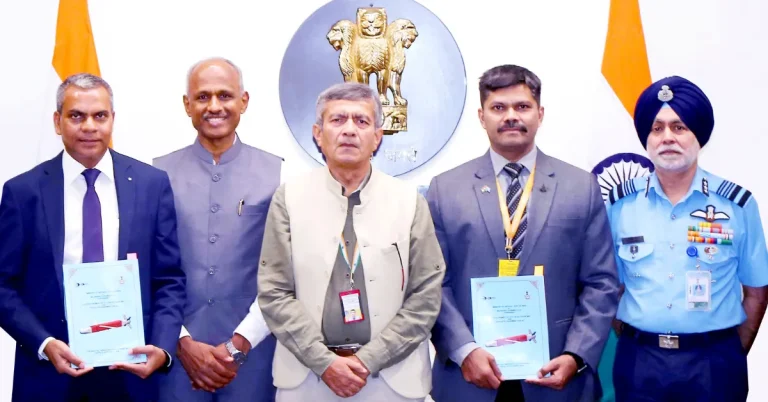
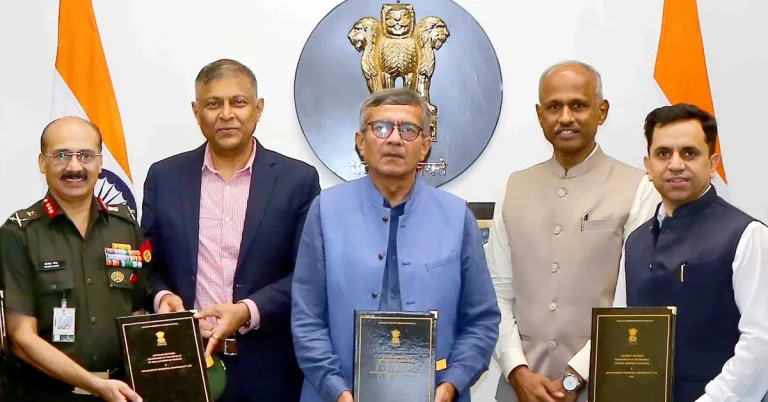
At the event, DRDO handed over nine Licensing Agreements for Transfer of Technology, or LAToTs, to 13 manufacturing partners for production of technologies developed by the organisation.
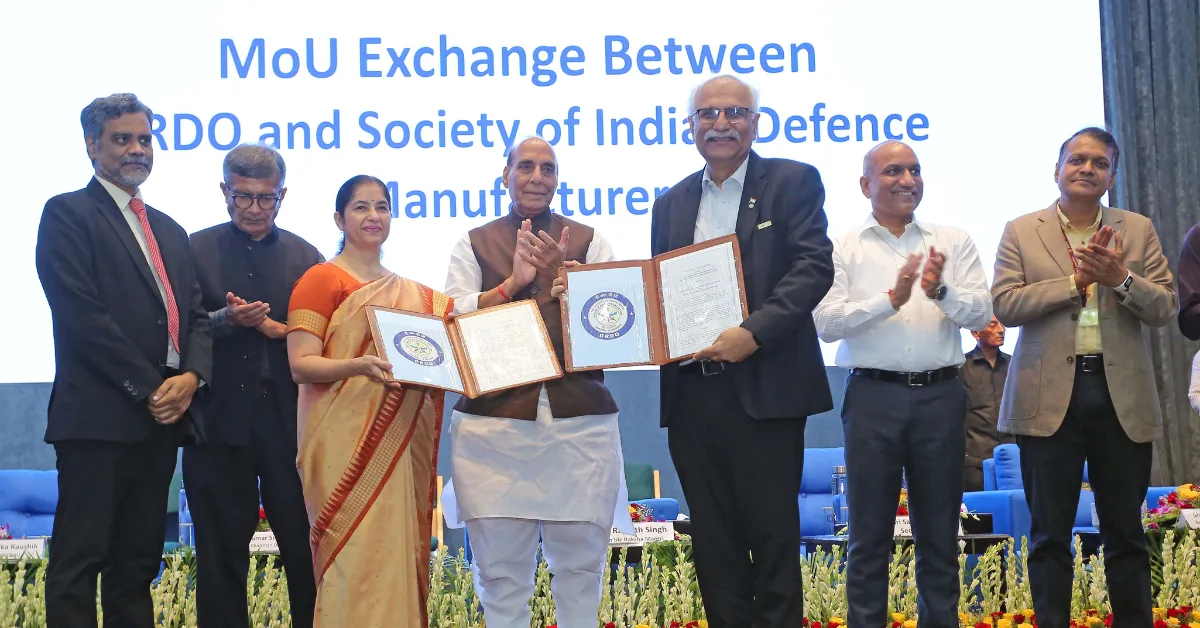
DRDO also exchanged memoranda of understanding with the Society of Indian Defence Manufacturers and Laghu Udyog Bharati to expand industry outreach and increase participation across the domestic defence manufacturing ecosystem.
A contract was signed between DRDO and the Quality Council of India for System for Advance Manufacturing Assessment and Rating Version 2.0, or SAMAR 2.0, which will be used to assess and benchmark the manufacturing maturity of domestic defence enterprises.
Defence Secretary, Secretary Department of Defence R&D and DRDO Chairman Rajesh Kumar Singh said more than 2,300 technology transfers have so far been handed over to over 1,100 industries.
He also said technologies related to approximately 50 missiles have been made available to industry as part of efforts to expand private-sector participation in defence manufacturing.
The government said the new measures will also support industry-led research and development, funding and mentorship for start-ups and MSMEs, greater academia-industry collaboration and work in emerging technology areas including artificial intelligence, quantum computing, hypersonics and directed energy.
During technical sessions at VIMARSH, DRDO’s technology clusters presented roadmaps covering aeronautical systems, missiles, armaments, microelectronics and naval systems.
DRDO also outlined measures aimed at simplifying procedural compliance, accelerating access to its facilities and reducing licensing timelines.
Representatives from DRDO, the Department of Defence Production and the armed forces discussed mechanisms to accelerate technology absorption, strengthen the Development-cum-Production Partner model and facilitate faster induction of indigenous technologies.
A compilation titled Defence Systems for Resilient Bharat – Advancing Aatmanirbharta in Defence, covering major systems developed by DRDO technology clusters between 2014 and 2026, was also released at the event.
DRDO additionally issued guidelines governing Human Resource Outsourcing Service Contracts across its laboratories.
More than 250 defence industry representatives, senior civil and military officials, representatives of industry bodies and DRDO scientists participated in VIMARSH 2026.
Read also: From helicopters to radars and jammers: India clears ₹1.10 lakh crore defence acquisition proposals