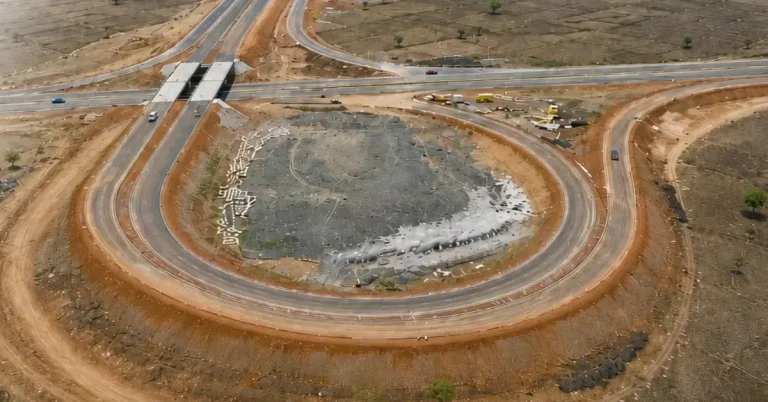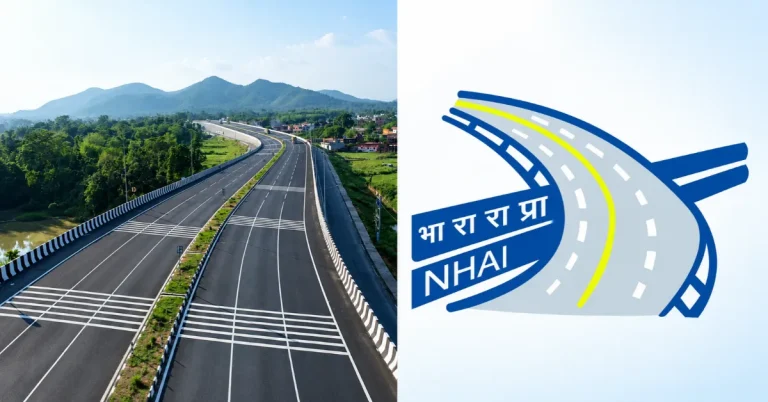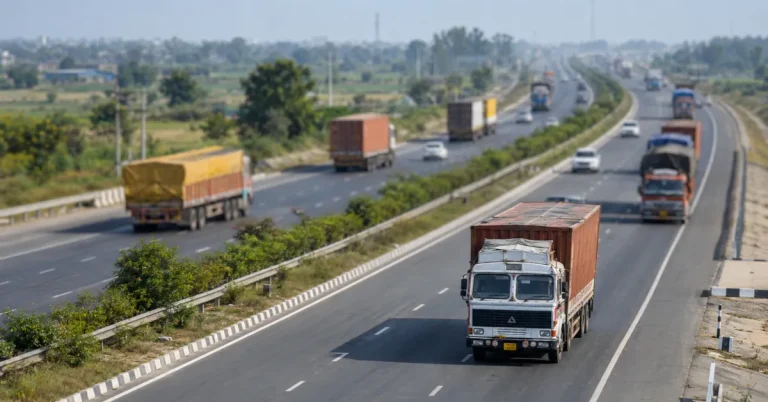
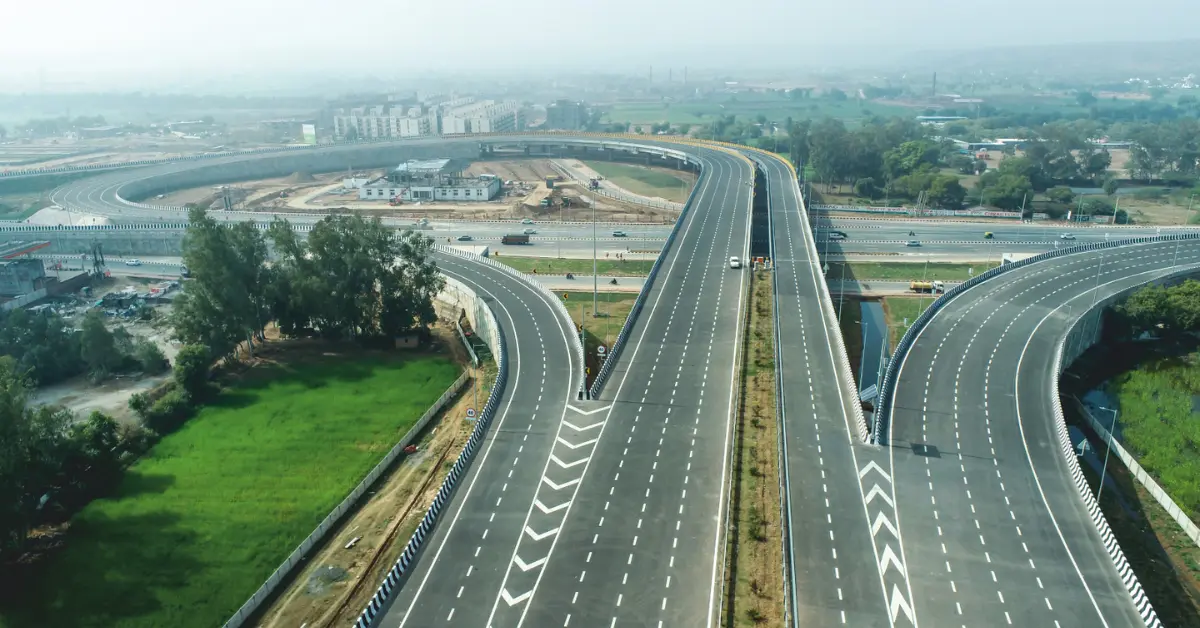
India’s National Highway network has expanded by nearly 61% over the past twelve years, growing from about 91,287 km in 2014 to more than 1,46,572 km in FY 2025-26, marking one of the biggest infrastructure shifts in the country’s road sector.
The expansion has improved inter-state connectivity, reduced travel time, strengthened logistics movement and helped connect remote regions with major economic centres, the Ministry of Road Transport and Highways said in a PIB backgrounder released on Sunday, 13 June.
A key driver of this expansion has been the Bharatmala Pariyojana, approved in October 2017 with a planned development of 34,800 km of National Highway corridors at an estimated outlay of ₹5.35 lakh crore.
As of March 2026, projects covering 26,425 km had been awarded under Bharatmala, while 22,590 km had already been constructed.
The programme covers economic corridors, feeder routes, national corridor efficiency projects, border roads, coastal roads, port connectivity roads and expressways.
India’s highway construction pace has also increased sharply.
The average National Highway construction rate rose from about 11.6 km per day in 2013-14 to nearly 34 km per day in 2025.
According to the ministry, a study by the Indian Institute of Management Bangalore found that National Highway development has helped reduce logistics costs by improving factory access and lowering transport costs between factories, suppliers and customers.
Among the biggest projects is the Delhi-Mumbai Expressway, planned as a 1,386-km access-controlled corridor at an estimated cost of around ₹1 lakh crore.
Once completed, it is expected to become India’s longest access-controlled expressway.
The expressway will connect Delhi, Haryana, Rajasthan, Madhya Pradesh, Gujarat and Maharashtra.
The mega project’s 246-km Delhi-Dausa-Lalsot section was inaugurated in February 2023, followed by the 87-km Vadodara-Bharuch stretch in February 2024.
Read also : India advances crash-prevention technology that lets vehicles communicate in real time
Two Gujarat sections, Kim-Ena and Gandeva-Ena, were inaugurated on 5 June 2026.
The Delhi-Meerut Expressway, developed at a cost of about ₹8,346 crore, spans nearly 82 km and has improved connectivity between Delhi and Meerut.
Completed in phases between 2018 and 2021, it has reduced congestion and supported regional movement in western Uttar Pradesh and the National Capital Region.
Another major NCR project, the Dwarka Expressway, spans around 29 km and has been developed at a cost of nearly ₹9,000 crore.
The Haryana section was inaugurated in March 2024, while the Delhi section was opened in August 2025, completing the corridor between Delhi and Gurugram.
In southern India, the Bengaluru-Mysuru Expressway has cut travel time between the two cities from nearly three hours to about 75 minutes.
The 118-km project was developed at a cost of around ₹8,480 crore and inaugurated on 12 March 2023.
The Delhi-Dehradun Economic Corridor is another major access-controlled highway project.
The 213-km, six-lane corridor was developed at a cost of ₹12,000 crore and inaugurated on 14 April 2026.
It has reduced travel time between Delhi and Dehradun from over six hours to around 2.5 hours, while cutting the travel distance from 235 km to 213 km.
The corridor also includes a major ecological component.
A 20-km stretch between Ganeshpur and Dehradun passes through sensitive zones between Rajaji National Park and the Shivalik Reserve Forest.
To address this, the project includes a 12-km elevated wildlife corridor and a 370-metre tunnel near Daat Kali temple.
The ministry said the highway sector’s transformation over the past twelve years reflects sustained investment, faster project execution, policy reforms and a push for infrastructure-led development.
Read also : From satellite monitoring to slope stabilisation: How India is making hill roads safer