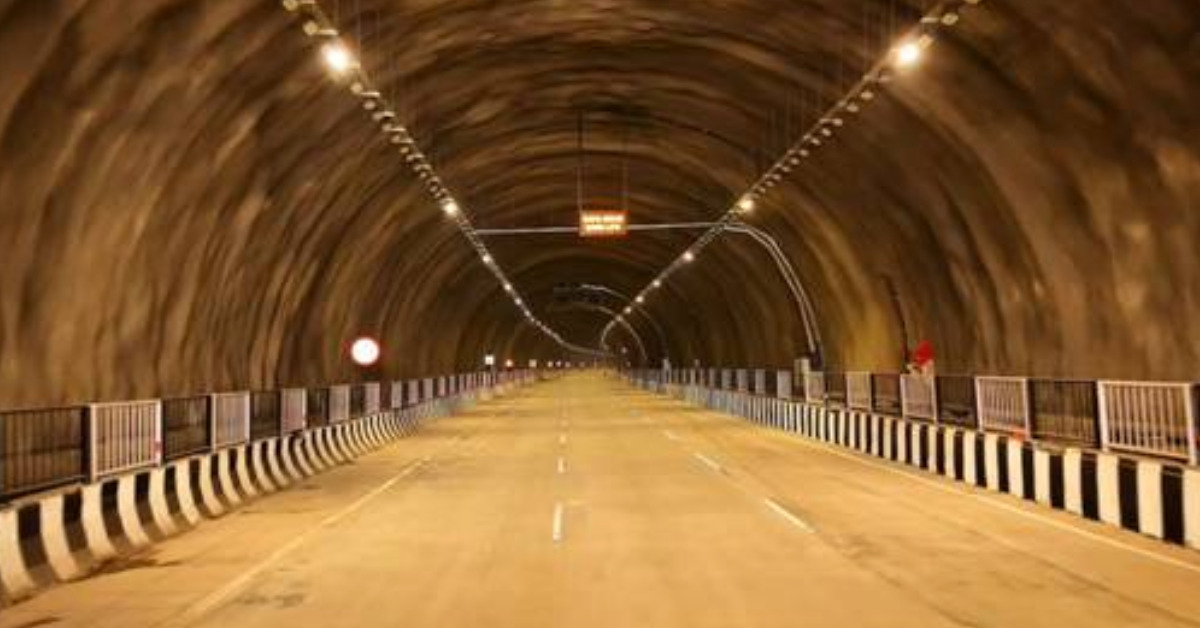
The New Khambatki Ghat twin tube tunnel project on the Pune-Satara stretch of NH-4 (New NH-48) is nearing completion, with one side of the tunnel opened to the public for trial operations and safety assessments.
The six-lane tunnel project, being implemented by the National Highways Authority of India (NHAI), has achieved 86% physical progress and is on track for inauguration in the first half of 2026, according to a statement by the Ministry of Road Transport and Highways on Monday, 27 April.
The trial opening allows commuters to experience the upgraded infrastructure on one of Maharashtra’s historically congested highway sections.
For decades, the Khambatki Ghat stretch has been known for narrow lanes, sharp curves, heavy congestion and a high accident risk.
The existing configuration includes a 0.85 Km two-lane tunnel in one direction and an 8 Km ghat road in the opposite direction, often leading to delays and traffic bottlenecks.
The new six-lane twin tunnel – with three lanes in each tube – is designed to address these constraints by improving traffic flow, reducing travel time and enhancing safety.
According to commuter feedback highlighted in the statement, travel time through the ghat section has reduced significantly.
Earlier journeys through the old tunnel could take 15-20 minutes, while the new tunnel reduces this to around 5-10 minutes.
Users have also pointed to improved safety features inside the tunnel, including better lighting, CCTV cameras, safety guard railings, reflectors and fire safety provisions.
The wider carriageway and improved design are expected to reduce accident risks on the stretch.
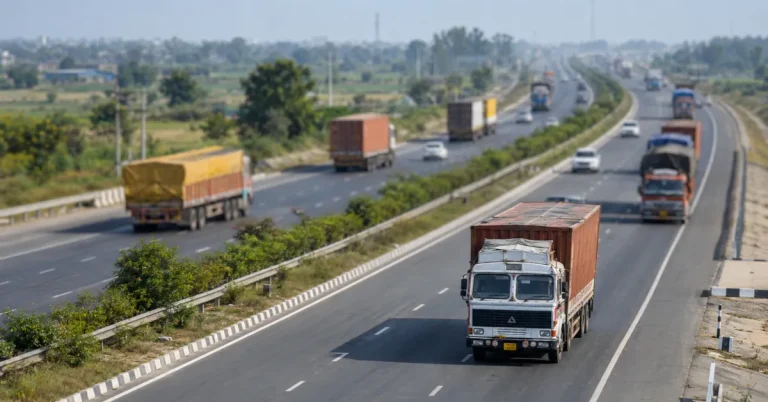
The stretch is a critical link on the Mumbai-Pune-Bengaluru highway, connecting major cities such as Pune, Satara, Kolhapur and Belgaum, while also serving religious and tourist destinations including Mahabaleshwar, Panchgani and Kas Plateau.
The upgraded infrastructure is expected to lower fuel consumption, reduce vehicle wear and tear, and improve travel reliability for both passenger and freight movement.
Beyond traffic efficiency, the project is also expected to support local connectivity and economic activity by easing daily commuting and improving access along the corridor.
Read also: Dehradun bypass project reaches 44% completion, 12 km corridor to ease city congestion by April 2027