New Delhi, November 19: The Ministry of Rural Development has issued new guidelines to improve the handling of complaints related to employment, unpaid wages and other problems faced by rural workers under the Viksit Bharat – Guarantee for Rozgar and Ajeevika Mission (Gramin), or VB-G RAM G Act, 2025.
The guidelines, announced on November 18, aim to make it easier for rural workers to raise complaints and seek solutions. They focus on strengthening the role of Ombudspersons, officials responsible for examining complaints and helping resolve problems related to employment and workers’ rights.
Under the guidelines, a dedicated Ombudsperson at the district level will handle complaints related to job cards, employment, wage payments, compensation for delayed wages and facilities provided at workplaces.
Workers can also raise concerns about incorrect attendance and work records, denial of benefits, discrimination, harassment and violations of their rights. The guidelines specifically cover complaints involving women and vulnerable groups.
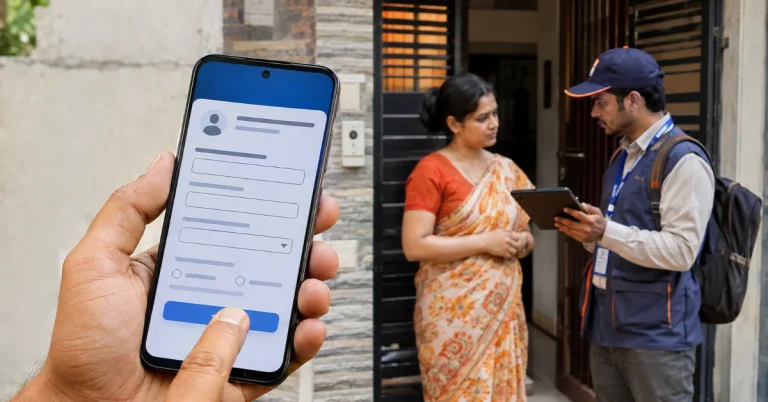
The guidelines also provide for a dedicated digital platform to help Ombudspersons register and track complaints online. The system will allow them to record proceedings, upload their decisions, known as awards, and monitor the action taken on complaints.
During field visits, Ombudspersons will use photographs that record the location and time of inspection. This will help maintain records of their visits and improve transparency in the complaint-handling process.
The guidelines also require Ombudspersons to attend at least three social audit public hearings or Gram Sabhas every month. These meetings will give villagers an opportunity to raise their concerns directly and help officials identify problems in the implementation of the rural employment programme.
A social audit allows local communities to review government work and spending to check whether programmes are being implemented properly and whether people are receiving the benefits intended for them.
The ministry has also expanded the eligibility criteria for appointing Ombudspersons. People with experience in rural development, public administration, law, academics, social work and management can be considered for these positions.
Rules relating to their tenure and payment have also been revised. The guidelines place greater emphasis on field visits, interaction with local communities and the use of digital systems.
According to the ministry, information collected through complaints, social audits and public feedback will help identify problems and support corrective action under the programme.
The new framework also includes an Appellate Authority and is intended to work alongside other measures, such as digital monitoring, public disclosure and social audits.
The government said the guidelines aim to protect rural workers’ rights, improve accountability and ensure that complaints related to employment and benefits are handled through a more organised and transparent process.
Read also: Fuel and power inflation jumps to 32.84%, pushing India’s wholesale inflation higher
Read also: Government healthcare spending triples in a decade, but families still face heavy medical bills