NEW DELHI, November 2, 2026: The Central Industrial Security Force (CISF) has introduced a new command structure that groups critical installations by industry rather than geographical location. The system, which came into effect on November 1, 2026, places power plants, coal mines, steel facilities, ports and other important installations under specialised sector headquarters to improve security supervision and coordination.
The restructuring, undertaken with the concurrence of the Ministry of Home Affairs, replaces the force’s earlier territorial command structure. According to the CISF, the new system is intended to help commanders respond more effectively to industry-specific security risks and make faster operational decisions, particularly during emergencies.
Under the previous arrangement, a single CISF sector headquarters could oversee more than 50 units across different industries, including coal mining, power generation and ports. Managing these installations required coordination with several ministries and organisations, each with different operational and security requirements.
The new structure brings installations of the same type under dedicated sector headquarters. This is expected to allow commanders to develop specialised knowledge of the facilities they supervise and adopt security procedures suited to the risks faced by individual industries.
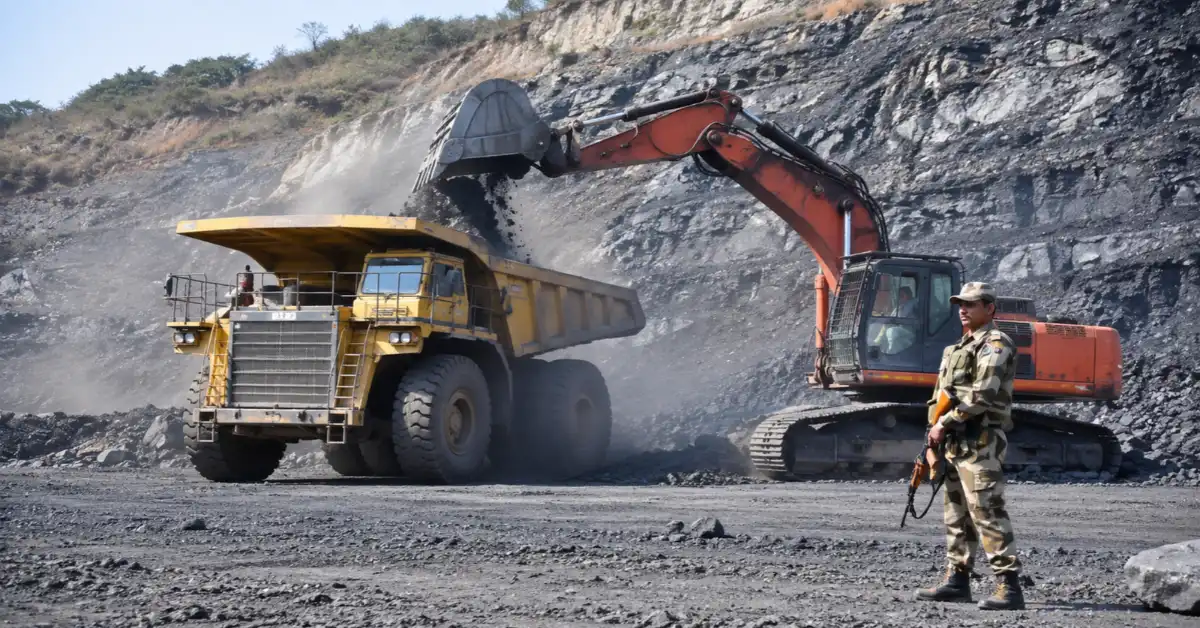
The revised arrangement includes two power sectors: Power-I, headquartered in New Delhi, and Power-II, headquartered in Kolkata. The Coal Sector will operate from Ranchi, the Steel Sector from Bhilai and the Petroleum and Natural Gas Sector from Guwahati.
Port security supervision has been divided into two functional sectors, with the West Coast Port Sector headquartered in Mumbai and the East Coast Port Sector in Chennai. Another sector, based in New Delhi, will oversee government buildings, museums, monuments and Mass Rapid Transit Systems (MRTS).
These newly operational sectors will join the CISF’s existing aviation sectors, which have been functioning since 2001, and the sector covering the Department of Atomic Energy and the Department of Space, which has been operational since 2018. The expansion moves the force further towards a unified system of specialised supervision across different categories of critical infrastructure.
The CISF said the restructuring would support improvements in standard operating procedures, access control and the deployment of Quick Reaction Teams, which respond to security emergencies.
The force also expects the new arrangement to strengthen its ability to address emerging threats, including drone incursions, cyberattacks, sabotage and other disruptions affecting essential installations. Dedicated sector commands are expected to support the introduction of counter-drone systems, improved cyber-risk management and emergency response plans tailored to specific industries.
Under the revised system, sector headquarters will also serve as dedicated points of coordination between the organisations whose installations are protected by the CISF and the ministries concerned. The arrangement is intended to reduce administrative and operational delays that could arise when a single headquarters oversees facilities with different security requirements.
The CISF Director General said the new structure would improve coordination among agencies, provide client organisations with a single point of contact and reduce operational bottlenecks. He said the revised arrangement would also help the force make timely decisions during crises and strengthen efficiency, professionalism and accountability.
According to the CISF, the reorganisation is aimed at improving the protection of critical infrastructure and supporting uninterrupted operations through specialised supervision, closer coordination and security measures tailored to the requirements of different industries.