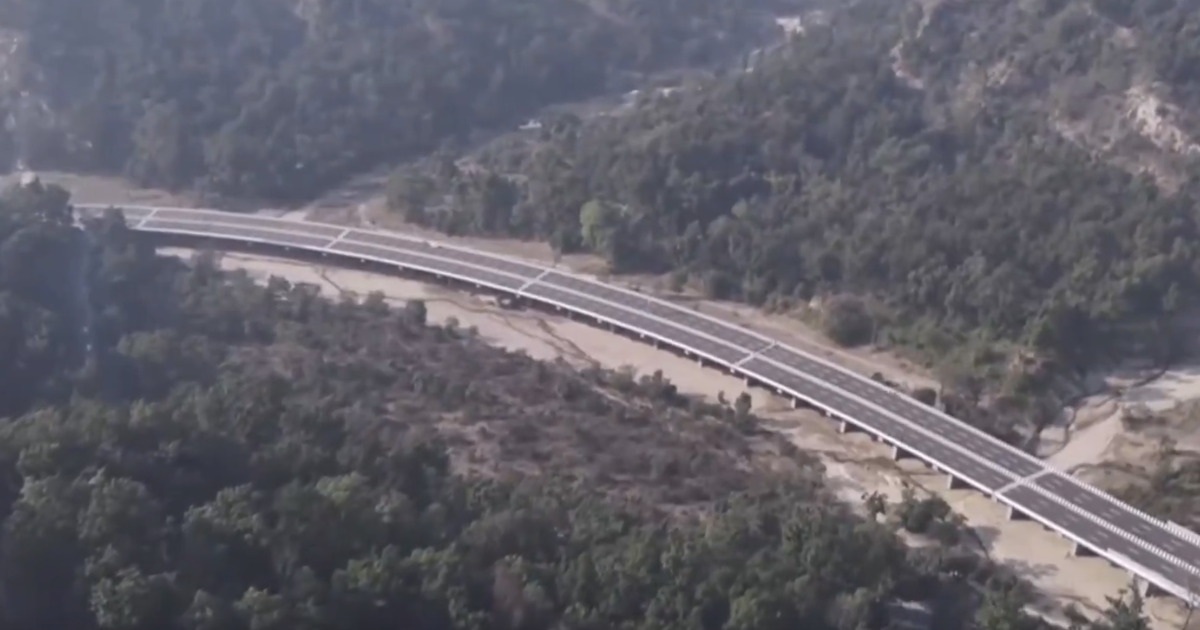
Prime Minister Narendra Modi on Tuesday, 14 April, inaugurated the Delhi-Dehradun Expressway during his visit to Uttarakhand and Uttar Pradesh.
The visit marks the Prime Minister’s 28th visit to the hill state since assuming office in May 2014.
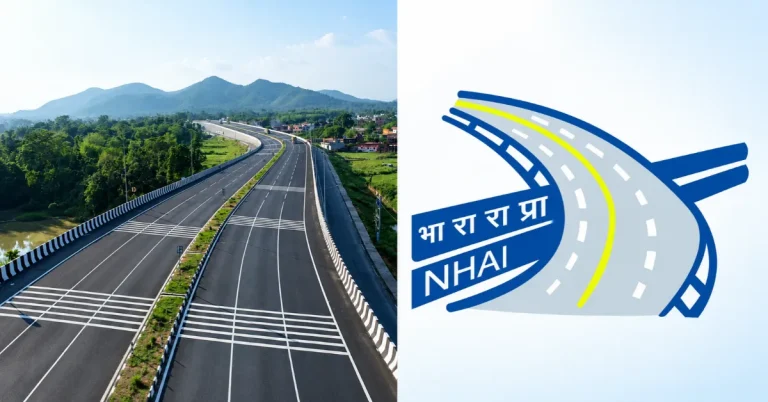
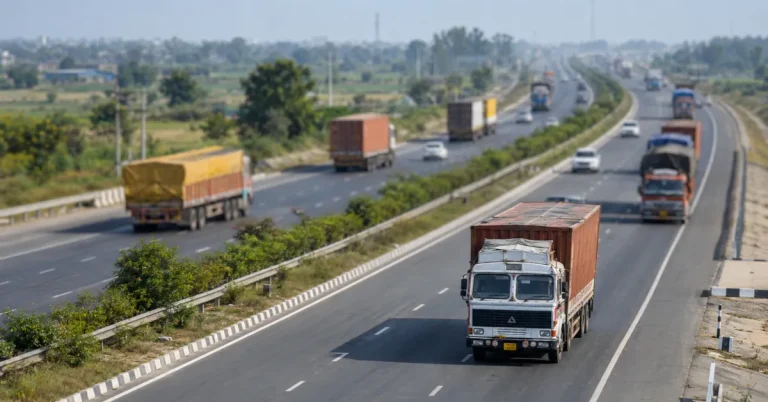
The 213 km long six-lane access-controlled Delhi-Dehradun Economic Corridor has been developed at a cost of over ₹12,000 crore.
The corridor traverses through the states of Delhi, Uttar Pradesh and Uttarakhand, and will reduce travel time between Delhi and Dehradun from over six hours at present to around two and a half hours.
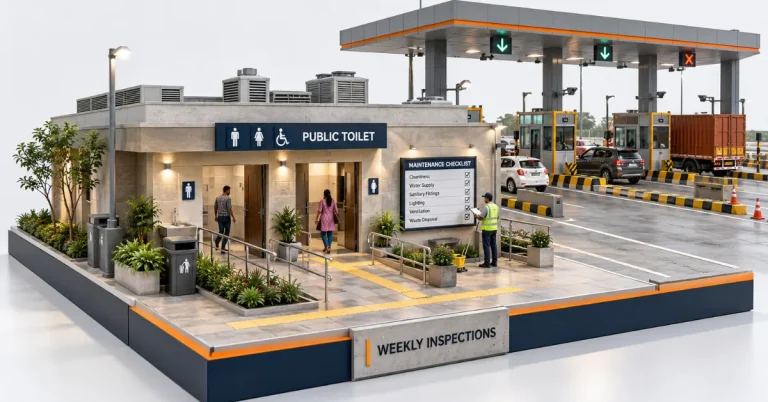
Implementation of the project also included the construction of 10 interchanges, three Railway Over Bridges (ROBs), four major bridges and 12 wayside amenities to enable seamless high-speed connectivity.
Starting near Akshardham in Delhi, the expressway passes through Baghpat, Baraut, Muzaffarnagar, Shamli and Saharanpur before terminating in Dehradun.
It also includes an under-construction spur towards Haridwar and integration with the Char Dham Highway network, strengthening access to major pilgrimage destinations.
A key feature of the project is a 12 Km elevated wildlife corridor near Rajaji National Park, the longest of its kind in India, along with multiple animal underpasses and dedicated elephant crossings to ensure safe wildlife movement.
The corridor is equipped with an Advanced Traffic Management System (ATMS) to provide a safer and more efficient travel experience for commuters.
Keeping in view the ecological sensitivity, rich biodiversity and wildlife in the region, the corridor has been designed with several features aimed at significantly reducing man-animal conflict.
The corridor also includes eight animal passes, two elephant underpasses of 200 metres each, and a 370 metre long tunnel near the Daat Kali temple.
Also Read: NHAI Launches ‘Arogya Van’ Initiative To Develop Medicinal Plant Corridors Along National Highways