Indian Railways has approved two major reforms under its “52 reforms in 52 weeks” initiative for 2026, including the introduction of continuous train cleaning and expansion of cargo terminals, Union Minister for Railways Ashwini Vaishnaw announced.
The reforms focus on improving on-board passenger services and strengthening rail-based logistics through expanded Gati Shakti Cargo Terminals and related facilities.
In 2026, Railways will ensure proper end-to-end cleaning of trains, especially long-distance services.
For the first time in railway history, cleaning of general coaches has been fully integrated into the system, replacing the earlier mechanism where cleaning was largely limited to reserved coaches.
The earlier “Clean Train Station” concept is being replaced with a continuous cleaning model from the train’s origin to its destination.
Toilets, garbage bins, cabin interiors, water availability, and minor electrical or mechanical defects will be addressed throughout the journey to improve the travel environment for passengers.
Approximately four to five trains per zone – primarily long-distance and high-footfall services – have been identified for rollout over the next six months.
A total of 80 trains have already been selected in the first phase, with the reform planned for implementation across all Indian Railways trains over a three-year period.
A technology-enabled professional team will be hired under clearly defined service-level agreements specifying cleaning frequency, with more frequent cleaning during peak hours.
Linen distribution, collection, and cleaning – previously handled by separate agencies – will now be integrated and awarded to a single agency.
The reform also provides for war room control centres where AI-generated images of cleaning activities will be monitored and analysed.
AI-based assessment will verify whether cleaning has been properly carried out, with strict action to follow in cases of non-compliance.
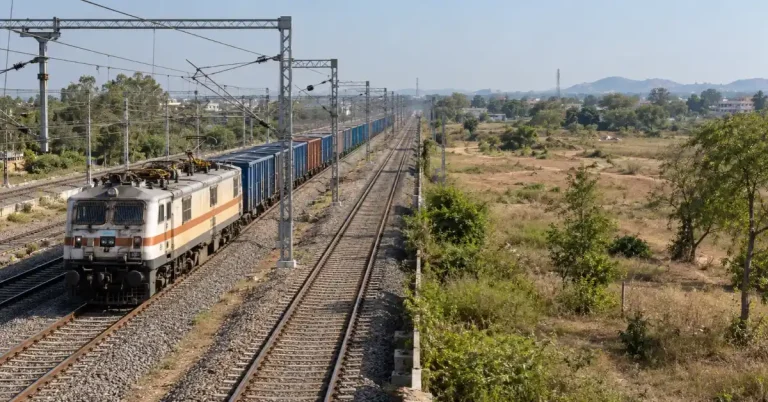
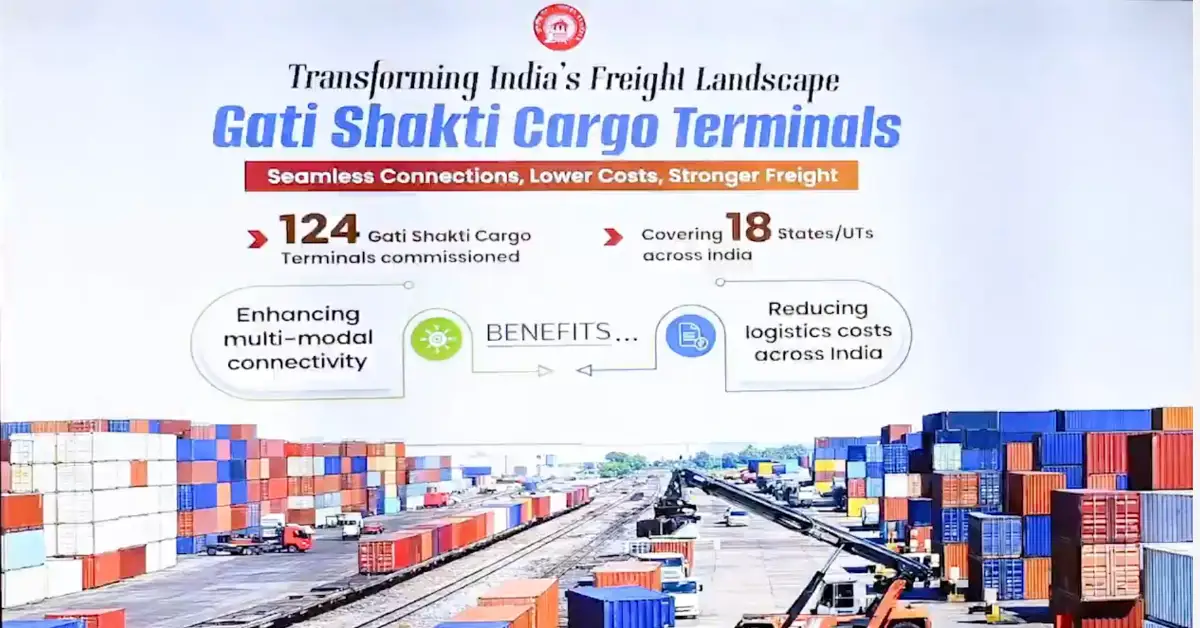
Turning to freight logistics, the second reform builds upon the Gati Shakti Cargo Terminal policy introduced in 2022, which streamlined approvals and enabled the development of 124 multi-modal cargo terminals with an estimated traffic potential of around 200 million tonnes and annual revenue potential of approximately ₹20,000 crore.
Following stakeholder consultations, Railways has approved an enhanced reform under which the existing 124 terminals are expected to expand to more than 500 over the next five years.
A key feature is the integration of processing within terminals, transforming them into “cargo plus processing” hubs.
Activities such as cement grinding, food grain processing, stuffing and destuffing, and other value addition operations can now be carried out within terminal premises, eliminating the need for off-site processing and attracting additional cargo traffic to Railways.
Contract tenure for cargo terminals has been extended from 35 years to 50 years to support long-term investment and ecosystem development.
The minister estimated that the reform could generate approximately ₹30,000 crore in additional revenue over three years through enhanced cargo movement.
Highlighting early outcomes of freight reforms, Vaishnaw noted that bulk cement tonnage more than doubled, with January figures reaching around 95,000 tonnes compared to about 40,000 tonnes last year, while transport costs fell by up to 30 per cent in Jammu & Kashmir and nearly half in Mizoram.
The minister added that seven more reforms are underway, with two expected to be unveiled this month and three more in early March, marking the beginning of a broader transformation agenda for passenger services and freight logistics across Indian Railways.