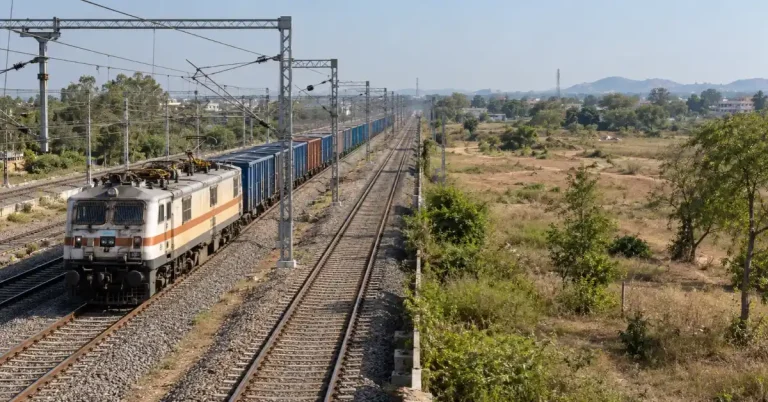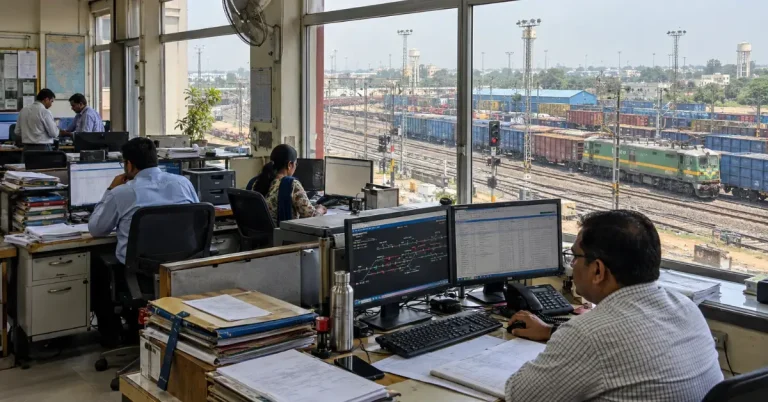
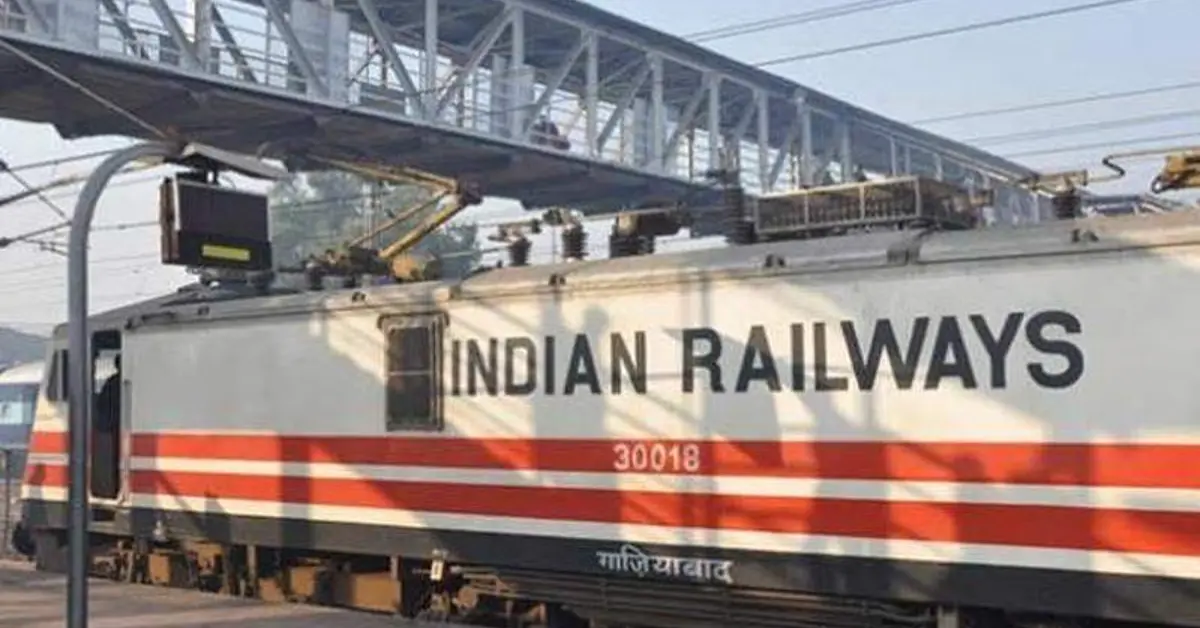
Indian Railways has scaled up safety infrastructure across technology, maintenance, track systems and rolling stock, with official data showing major progress over the past decade compared with the previous one.
According to data provided by the Ministry of Railways in Parliament, deployment of high-quality rails increased from 57,450 Km during 2004-05 to 2013-14 to 1.43 lakh Km between 2014–15 and 2024–25, more than doubling network strength.
Longer rail panels expanded from 9,917 Km to 77,522 Km, reducing weld joints and improving track stability.
Electronic interlocking, a critical safeguard against human error, rose from 837 stations to 3,691.
Low-visibility operations have seen a major safety upgrade, with Fog Pass Safety Devices increasing from 90 units as of March 2014 to 25,939 by March 2025, a 288-fold rise.
Track maintenance indicators also show improvement.
Primary track renewal grew from 32,260 Km to 49,941 Km, while ultrasonic testing of welds increased from 79.43 lakh tests to 2 crore.
Weld failures declined from 3,699 to 370, a reduction of 90 per cent, and rail fractures dropped from 2,548 to 289, down more than 88 per cent.
Network capacity additions have accompanied the safety push.
New track construction rose from 14,985 Km to 34,428 Km, and flyovers along with road under bridges increased from 4,148 to 13,808.
Unmanned level crossings on broad gauge routes have been eliminated.
Rolling stock modernisation has accelerated, with production of LHB coaches, designed with improved crashworthiness, rising from 2,337 to 42,677, an increase of more than eighteen times.
The Ministry of Railways stated that these measures form part of safety works covering better maintenance practices, technological upgrades, stronger infrastructure and improved rolling stock across the network.