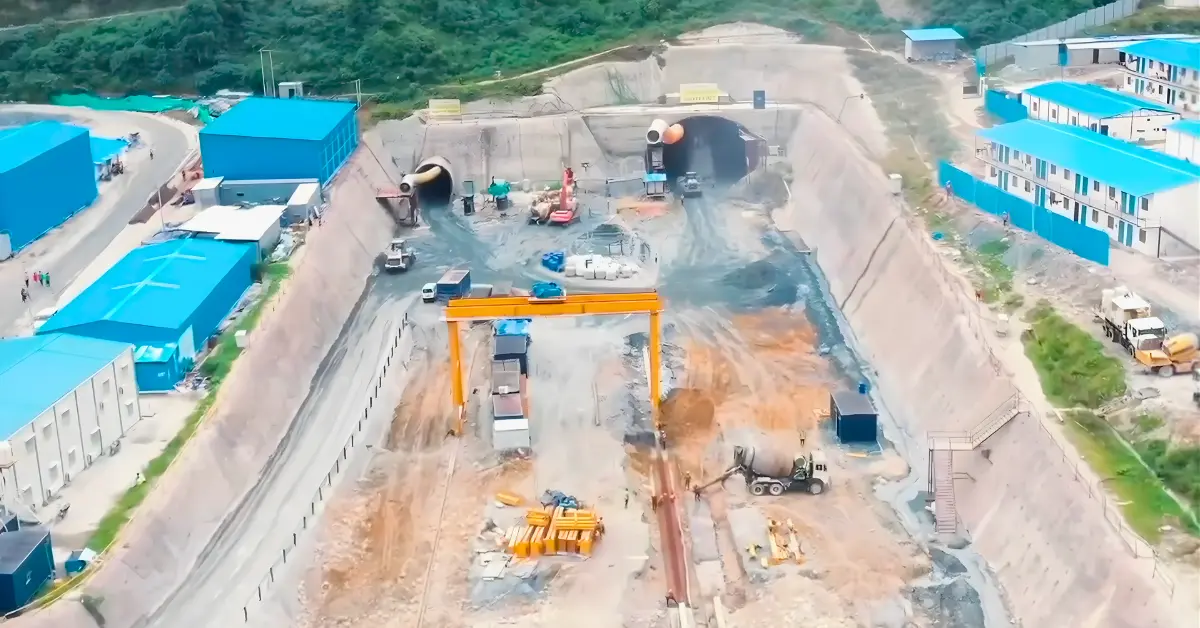
Over Rs 27,500 crore has been spent so far on the strategically important Rishikesh-Karnaprayag new rail line project in Uttarakhand, according to the latest government data.
The 125 km rail corridor, considered one of the most complex railway construction projects in the country due to its Himalayan terrain, has an original project cost of ₹38,953 crore.
According to the monthly project monitoring flash report of the Ministry of Statistics and Programme Implementation (MoSPI) for the month of December, the strategic rail line project has crossed 72% physical progress.
Further, around ₹27,546 crore, out of the total estimated ₹38,953 crore project cost, has been spent so far on the 125 km broad-gauge corridor, which is designed to provide all-weather connectivity to the Garhwal Himalayas and strengthen access to the border regions.
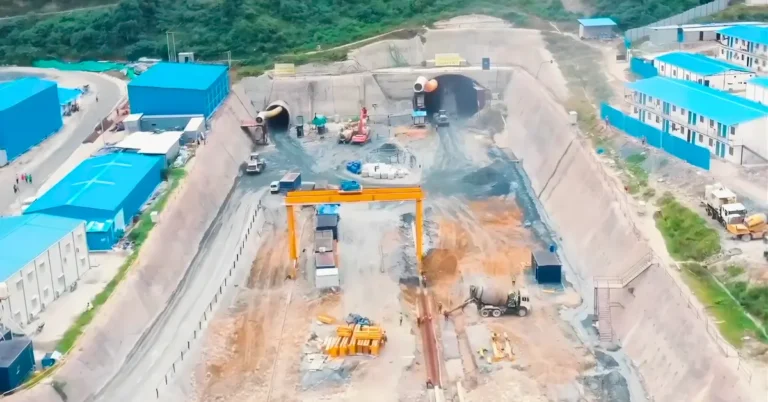
Construction of the project involves extensive tunnelling, bridges, and mountain engineering across Uttarakhand’s geologically fragile zones.
The Rishikesh-Karnaprayag rail line is a key strategic and connectivity project, aimed at improving all-weather rail access to the Garhwal region and supporting both civilian mobility and strategic logistics.
The Ministry of Railways had earlier said that tunnelling has been completed on over 201 km of the project’s total 213 km scope, while construction work is currently underway on 12 new stations.
Rail Vikas Nigam Limited (RVNL), which is the implementing agency for the project, has said that work on the strategic Rishikesh-Karnaprayag rail line is progressing at full pace, with a target to complete the project by December 2028.
Once completed, the railway line will provide direct connectivity from Rishikesh to major towns in Uttarakhand including Devprayag, Srinagar, Rudraprayag and Karnaprayag, significantly cutting travel time and improving access to key pilgrimage centres and strategically important locations.
Engineering work on the corridor is heavily tunnel-driven due to the Himalayan terrain.
The project includes 16 main tunnels covering 104 km and 12 escape tunnels of about 98 km.
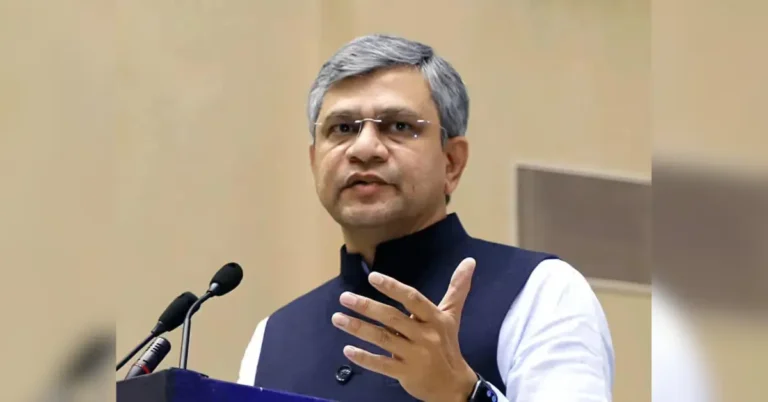
In a written reply to a question in Parliament, Railways Minister Ashwini Vaishnaw had informed that 99 km of main line tunnels and over 94 km of escape tunnels on the route have been completed.
Further, 8 out of 19 major bridges planned along the route have also been finished.
“So far, main line tunnels of 99 km length and 09 escape tunnels of over 94 km length have been completed,” Vaishnaw said in a written reply to a question in the Lok Sabha on 11 February.
To accelerate excavation, authorities identified 8 adits to create additional tunnel work fronts.
All eight adits, covering nearly 5 km, have been completed, helping expedite long tunnel construction, the minister said.
“The project also involves construction of 19 important or major bridges. 8 out of 19 important or major bridges have also been completed. Works in balance bridges have also been taken up,” the minister said.
According to the section-wise update shared by the minister, the Virbhadra-Yog Nagari Rishikesh (4.7 km) stretch is already completed and commissioned.
On the Yog Nagari Rishikesh-Shivpuri (13.4 km) section, 94 per cent excavation of the 10.8 km tunnel has been achieved and the sole major bridge has been completed.
The Shivpuri-Byasi (14.3 km) segment has one tunnel completed, excavation of the second finished with lining underway, and both major bridges constructed.
Similarly, on the Byasi-Devprayag (15 km) stretch, three out of four tunnels are complete, with 69 per cent excavation of the fourth tunnel finished, while all four major bridges have been built.
Tunnel works are fully complete on the Devprayag-Janasu (14.8 km), Janasu-Maletha (4.7 km) and Maletha-Srinagar (5.2 km) sections, while the Janasu-Maletha stretch has also seen its sole major bridge completed.
On the Srinagar-Dhari Devi (11.2 km) section, tunnel excavation is complete and lining is in progress; one of three bridges is finished and work continues on the remaining two.
Excavation and lining on the tunnel are also underway on the Dhari Devi-Tilani (17.6 km) stretch, where construction of a major bridge has been taken up.
The Tilani-Gholtir (7.6 km) segment has achieved 79 per cent tunnel excavation, with work started on both bridges.
Meanwhile, tunnels on the Gholtir-Gauchar (7.8 km) and Gauchar-Karnaprayag (8.4 km) sections have been excavated, lining is ongoing, and construction of three bridges has been initiated on the Gauchar-Karnaprayag stretch.