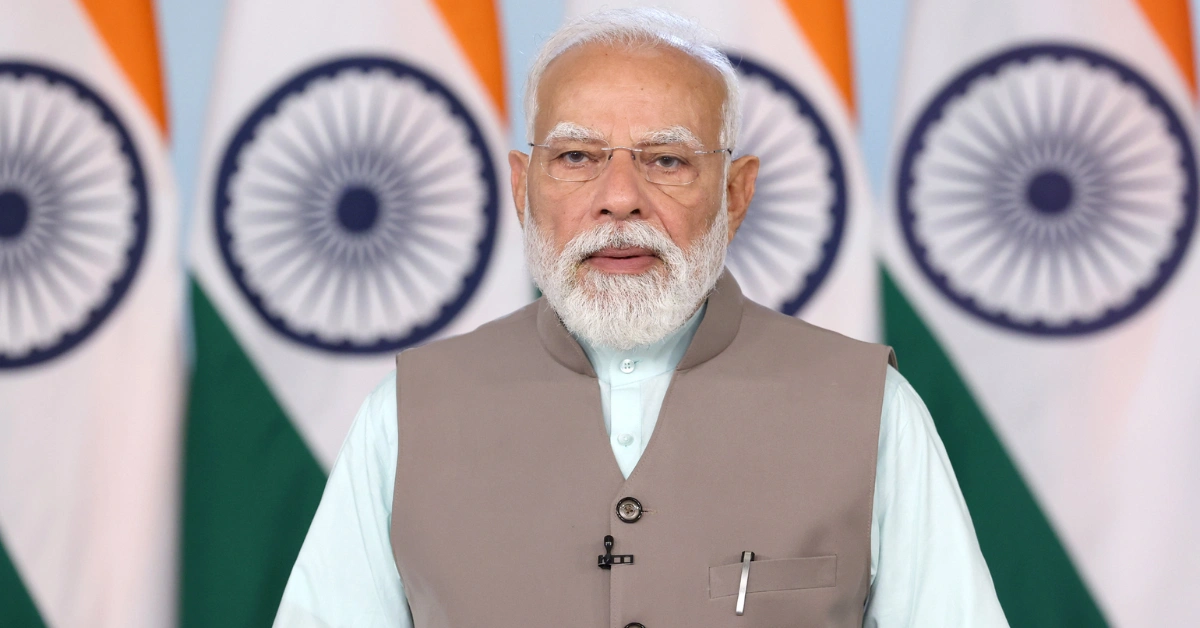
Prime Minister Narendra Modi will launch a series of railway infrastructure and connectivity initiatives during his visit to Kerala and Tamil Nadu on 11 March as part of development programmes being rolled out across both states.
In Kerala, the Prime Minister will inaugurate three redeveloped railway stations under the Amrit Bharat Station Scheme – Shoranur Junction, Kuttippuram, and Changanassery.
The upgraded stations feature improved passenger amenities, better accessibility and modernised infrastructure while incorporating local architectural elements to enhance passenger experience.
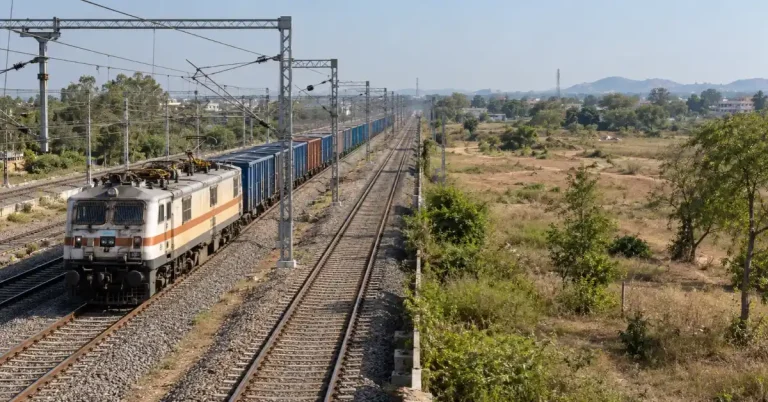
He will also dedicate to the nation the Shoranur–Nilambur Road railway line electrification project, which will allow more efficient and environmentally sustainable train operations on the section.
Electrification will eliminate the need for locomotive changes at Shoranur and support faster and smoother train movement.
In addition, the Prime Minister will flag off a new train service between Palakkad and Pollachi, aimed at strengthening rail connectivity between Kerala and Tamil Nadu.
The service is expected to benefit daily commuters, pilgrims, traders and tourists travelling between the two states.
Later in the day in Tamil Nadu’s Tiruchirappalli, the Prime Minister will flag off multiple train services including two Amrit Bharat Express trains, two express trains and one passenger train service.
These services are intended to strengthen rail connectivity between Tamil Nadu and several regions including Telangana, Karnataka, Kerala and eastern India.
Read also : Indian Railways freight loading rises 3.28 per cent to 1,503.80 million tonnes in FY 2025-26 so far