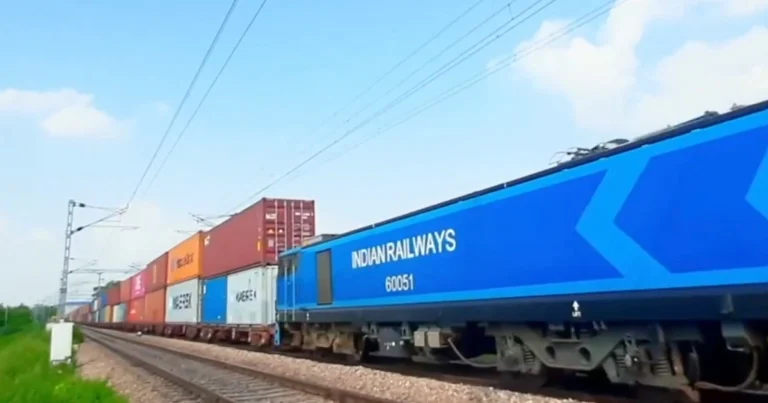
Indian Railways has initiated fast-track measures for the expeditious implementation of the newly announced Dankuni-Surat Dedicated Freight Corridor (DFC), following its announcement in the Union Budget 2026.
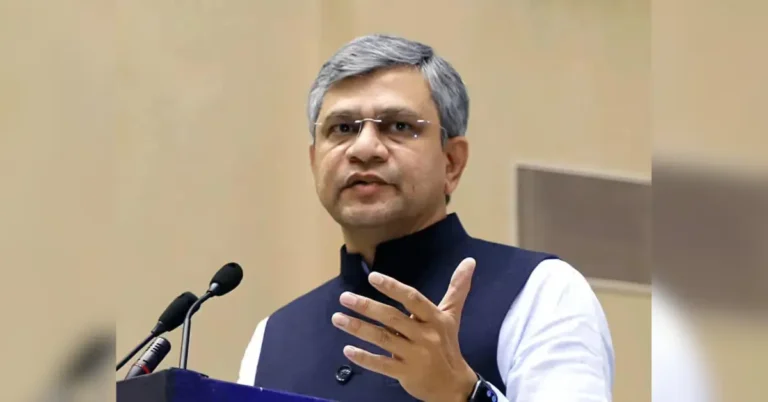
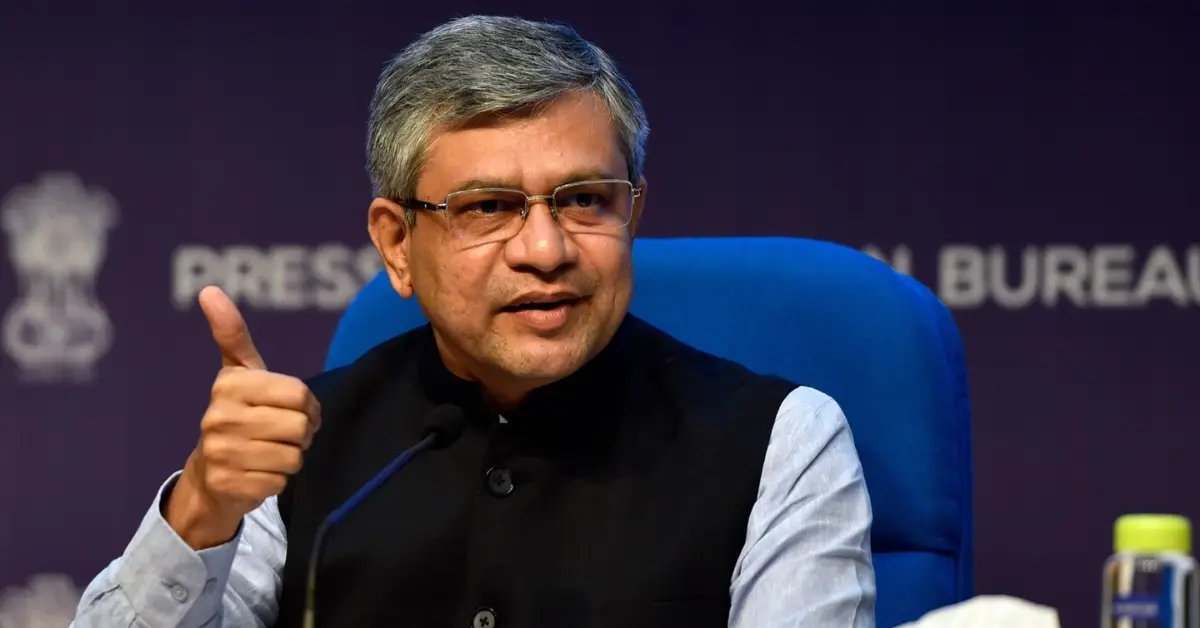
Railway Minister Ashwini Vaishnaw has directed officials to ensure time-bound execution of the strategically significant corridor, signalling the government’s intent to accelerate capacity augmentation in freight transportation.
The proposed corridor, spanning around 2,100 Km, will connect Dankuni in West Bengal with Surat in Gujarat, traversing Jharkhand, Odisha, Chhattisgarh, Maharashtra, and Gujarat.
Once operational, the route is expected to significantly improve freight movement between eastern and western India, making logistics faster and more efficient while reducing travel time for goods trains.
The project is also designed to ease congestion on existing Indian Railways routes, thereby freeing up capacity for passenger services and improving overall network efficiency.
Officials of the Dedicated Freight Corridor Corporation of India Limited (DFCCIL) have been instructed to immediately formalise optimum technical standards incorporating the latest advancements in freight logistics.
Key features under consideration include high-capacity electrification systems, nil level crossings, and advanced signalling systems such as Kavach to enhance safety and enable higher throughput.
The Detailed Project Report (DPR) for the Dankuni-Surat corridor will be updated with the latest cost estimates and revised timelines to support better planning, budgeting, and timely execution.
The corridor will be divided into suitable segments to facilitate early and simultaneous implementation.
Dedicated core teams for each segment will be finalised and deployed in the field to closely monitor progress.
The Railway Board has further directed that all pre-construction activities be comprehensively identified and fast-tracked, alongside the simultaneous preparation of contract documents to prevent delays in project rollout.
An assessment of optimum manpower requirements for the corridor is currently underway.
The Railway Board will be apprised on a weekly basis regarding action taken, progress achieved, and assistance required to ensure seamless and expeditious implementation of the project.