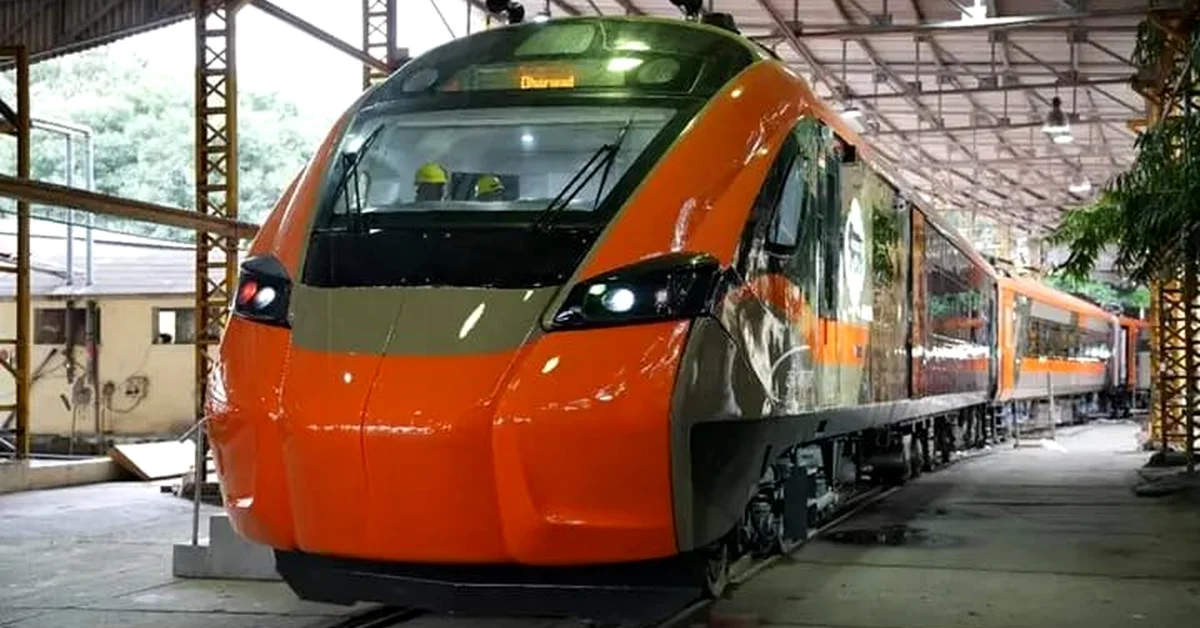
Indian Railways plans to manufacture 260 Vande Bharat sleeper trainsets, with induction into regular passenger service set to take place in phases based on demand and operational readiness, the government informed the Parliament on Wednesday (4 February).
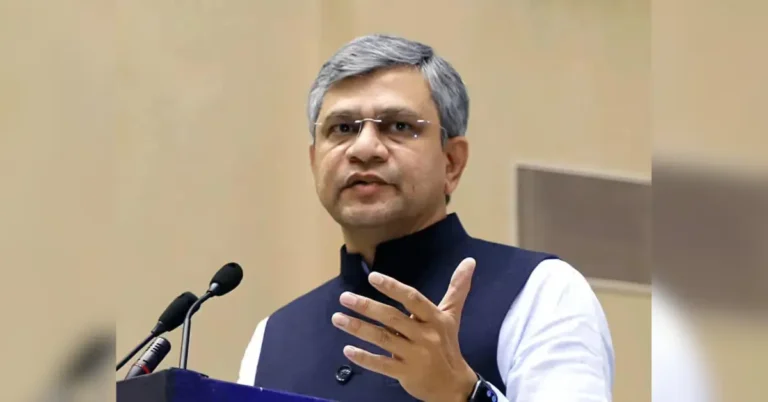
In a written reply to a question in the Lok Sabha, Railway Minister Ashwini Vaishnaw said that the sleeper variant of the Vande Bharat Express has been indigenously designed and developed for long-distance travel, with two such trains already manufactured and currently operational between Howrah and Kamakhya after extensive trials.
According to the minister, the development of new rolling stock such as Vande Sleeper requires a combined approach involving technology, innovation, and strategic planning to ensure safe, reliable, and comfortable travel.
The process includes prototype development, extensive testing, trials, and subsequent series production.
“Vande Bharat Sleeper Train manufacturing programme is being executed ina phased manner through prototype development, trials and seriesproduction by BEML & Integral Coach Factory, Chennai and technologypartners,” the minister said.
“Induction of these trainsets into regular passenger service will beundertaken in a phased manner based on demand and operationalreadiness. A total of 260 rakes of Vande Bharat Sleeper trainsets havebeen planned for manufacture,” he added.
To enhance passenger experience and set new safety benchmarks, the trainsets will feature modern coaches equipped with jerk-free semi-permanent couplers, anti-climbers, KAVACH safety systems, fire barriers, regenerative braking, centrally controlled automatic plug doors, CCTV, and emergency communication units.
The trains are designed for higher acceleration with a design or operating speed of 180 or 160 Kmph, alongside improved fire safety through aerosol-based detection and suppression systems and air-conditioning units fitted with UV-C disinfection technology to improve onboard hygiene.