India has enabled mandatory verification and re-verification of CNG, LNG and hydrogen fuel dispensers under the Legal Metrology framework, a move aimed at tightening measurement accuracy as the country rapidly expands clean fuel infrastructure and alternative energy transport networks.
The Department of Consumer Affairs has amended the Legal Metrology (Government Approved Test Centre) Rules, 2013, allowing Government Approved Test Centres (GATCs) to verify and certify dispensing systems used for cleaner fuels such as Compressed Natural Gas (CNG), Liquefied Natural Gas (LNG) and hydrogen.
The ministry said the changes are intended to strengthen consumer confidence and ensure accurate fuel delivery standards as India pushes towards cleaner mobility solutions.
The move comes amid rapid expansion of India’s gas and clean fuel ecosystem. India has been scaling up CNG station networks across cities, expanding LNG usage in long-haul transport and preparing infrastructure for hydrogen-based mobility projects under the National Green Hydrogen Mission.
Industry experts have increasingly raised concerns over the need for standardised calibration and measurement systems as alternative fuel dispensing infrastructure grows nationwide.
Read also : Indian researchers develop cost-effective thermal battery material for clean energy storage
Under the amended rules, five categories of dispensing systems – petrol and diesel, LPG, CNG, LNG and hydrogen dispensers – will now fall under the GATC verification framework.
Government Approved Test Centres are authorised facilities that verify and calibrate weights and measures under the Legal Metrology Act.
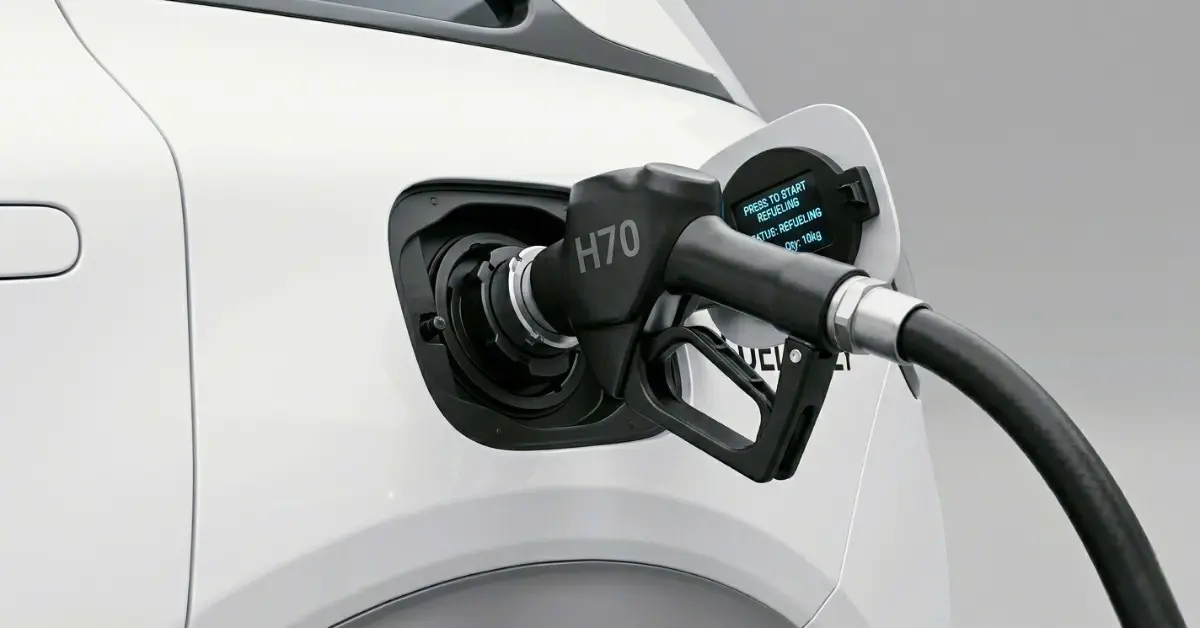
The inclusion of hydrogen dispensers is particularly significant as India prepares for commercial deployment of green hydrogen in mobility and industrial sectors.
Hydrogen fuelling systems require highly precise measurement standards due to the nature of compressed gaseous fuel handling and energy accounting.
The amendments also revise verification fees for dispensing systems. Verification charges for petrol and diesel dispensers have been fixed at ₹5,000 per nozzle, while CNG, LPG, LNG and hydrogen dispensers will attract a fee of ₹10,000 per nozzle.
According to the Ministry of Consumer Affairs, the expanded verification regime is expected to improve transparency in fuel transactions, reduce disputes related to quantity delivery and support the wider adoption of cleaner fuels across India’s transport and energy sectors.
Read also : India’s peak power demand hits record 265.44 GW, third consecutive day of new highs