Gati Shakti Cargo Terminals Drive Major Shift in India’s Logistics, Railways Approve 306 Facilities
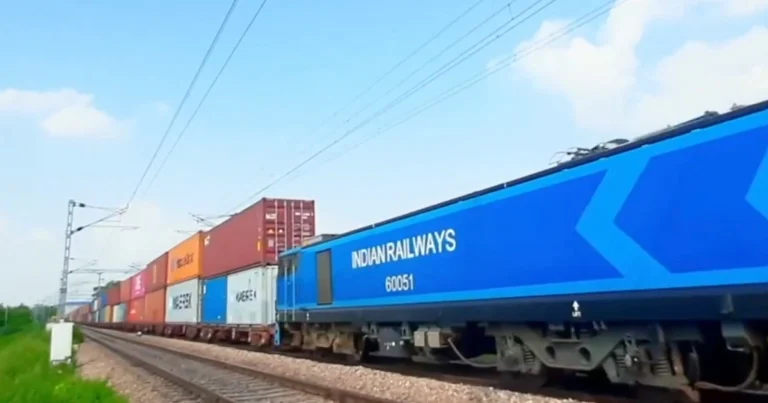
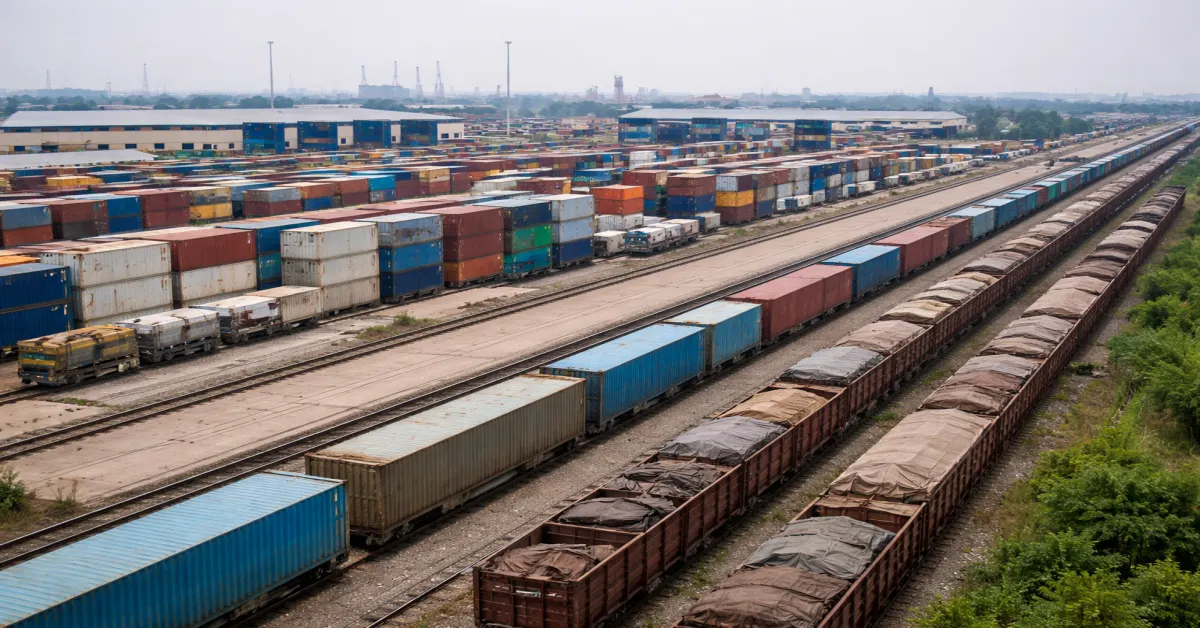
India’s logistics sector has recorded a significant structural shift with Indian Railways approving 306 Gati Shakti Multi-Modal Cargo Terminals, of which 118 terminals are already operational, according to the Press Information Bureau. The approved terminals together have a combined handling capacity of 192 million tonnes per annum, marking one of the largest coordinated rail-logistics expansions undertaken in the country.
The rollout of Gati Shakti Cargo Terminals has played a key role in reducing India’s logistics costs to 7.97 per cent of GDP, bringing the country closer to global benchmarks. Since 2014, an additional 2,672 million tonnes of freight has shifted from road to rail, resulting in 143.3 million tonnes of carbon dioxide emissions saved, reflecting a major environmental gain from modal transition.
Under the Gati Shakti Cargo Terminal Policy, 2021, the Ministry of Railways has mobilised Rs 8,600 crore of private investment, highlighting strong industry participation. The policy offers multiple incentives, including waiver of departmental charges, land licence fees, and commercial staff costs, while Railways bear the cost of track, signalling, and overhead equipment maintenance. Agencies approved under the policy are required to complete terminal construction within 24 months.
Freight revenues generated from these terminals have seen sharp growth. Revenue increased more than fourfold between 2022-23 and 2024-25, rising from Rs 2,901.86 crore in 2022-23 to Rs 7,712.36 crore in 2023-24, and further to Rs 12,608.05 crore in 2024-25, underscoring the growing role of rail-based logistics in national freight movement.
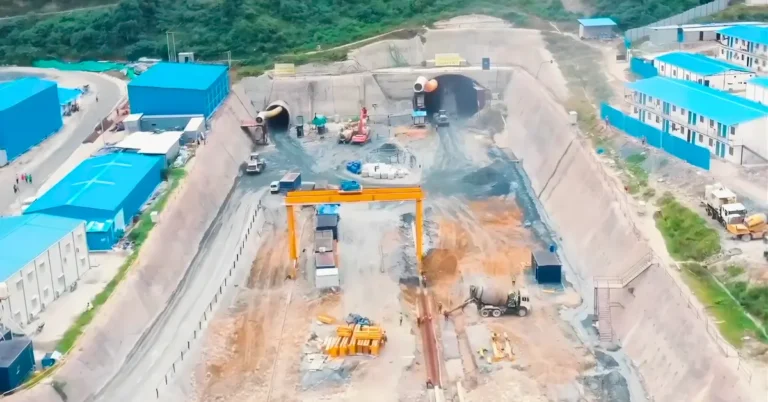
Among key projects, the Manesar Gati Shakti Cargo Terminal in Haryana, India’s largest automobile cargo terminal, spans 46 acres and is capable of handling 4.5 lakh automobiles annually. It is connected via a 10-kilometre dedicated rail link built at a cost of Rs 800 crore, forming part of the Haryana Orbital Rail Corridor.
In the Northeast, terminals at Moinarband and Cinnamara in Assam are already operational, handling coal, food grains, fertilisers, petroleum products, cement, automobiles, and containers. Additionally, six new cargo terminals are under construction in Assam, further expanding multimodal connectivity across the region.
Officials said the Gati Shakti Cargo Terminal network is central to strengthening rail’s share in freight movement, improving turnaround times, cutting logistics costs to less than half of road transport, and lowering emissions by nearly 90 per cent compared to road freight, positioning India for long-term logistics competitiveness.