New Delhi, November 14: The National Pharmaceutical Pricing Authority (NPPA) has directed State Drug Controllers to strictly monitor the revised prices of 137 anti-cancer medicines and ensure that patients receive the benefits of lower trade margins.
The directive, announced by the Ministry of Chemicals and Fertilisers on November 13, follows the implementation of revised prices for 137 non-scheduled anti-cancer drugs on November 9, 2026.
The revised pricing requirements were notified through a government order issued on October 17 under the Trade Margin Rationalisation (TMR) framework.
The NPPA has asked state regulators to ensure compliance with the revised prices among pharmaceutical manufacturers, dealers, stockists, retailers, hospitals and medical institutions.
Trade Margin Rationalisation seeks to limit excessive margins between the prices charged by manufacturers and those paid by consumers, with the aim of making medicines more affordable.
The latest measures focus on ensuring that the revised prices are implemented across the medicine supply chain and that the intended benefits reach cancer patients.
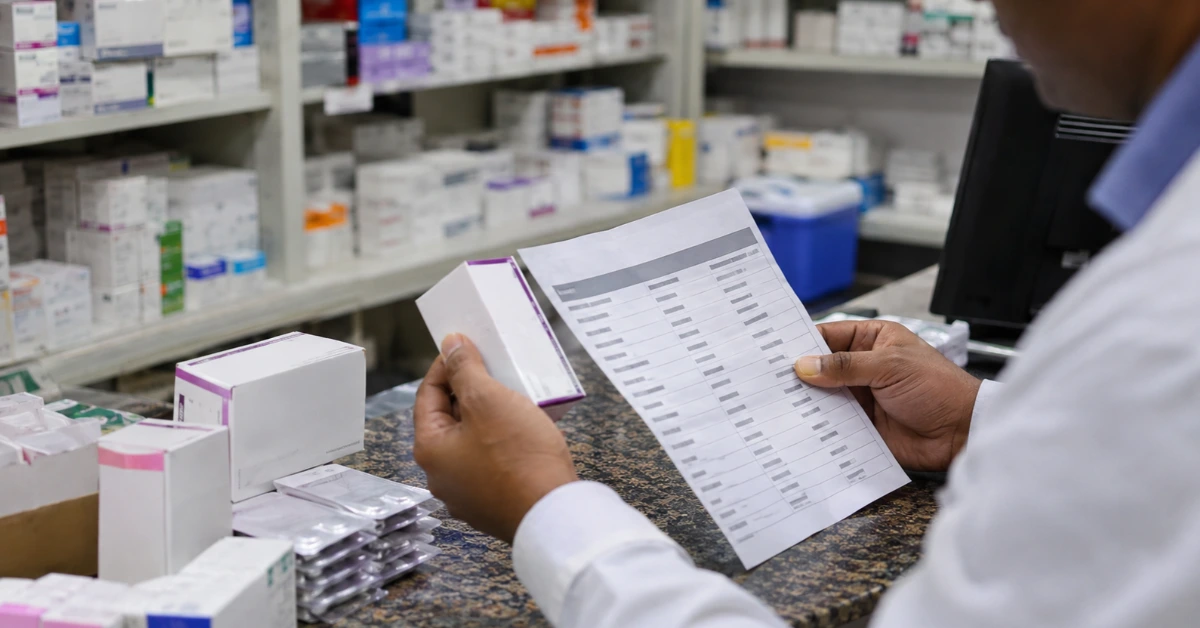
According to the ministry, updated price lists have been made available through the NPPA’s official website and the Pharma Sahi Daam app and portal.
The lists incorporate submissions received from pharmaceutical companies up to November 11, 2026.
Manufacturers, dealers, stockists, retailers, hospitals and medical institutions have been directed to comply with the revised maximum retail prices (MRPs).
They must also prominently display the updated price lists at their premises and on their websites, allowing patients and regulators to verify the applicable prices.
The NPPA has instructed State Drug Controllers to monitor compliance and ensure that patients are not charged above the revised prices.
The directive is particularly significant for cancer patients who rely on medicines that can account for a substantial share of treatment expenses.
However, the ministry has not specified a uniform price reduction for all 137 medicines.
The actual change in price will depend on the revised MRP applicable to each product. Patients can check the relevant prices through the NPPA’s published lists.
The ministry has also warned that violations of the revised pricing requirements could attract overcharging proceedings under the Drugs (Prices Control) Order, 2013.
State regulators have been asked to monitor compliance throughout the supply chain, including hospitals and medical institutions, rather than limiting their checks to pharmaceutical manufacturers.
Patients who encounter overcharging, medicine shortages or non-availability can submit complaints through the Pharma Sahi Daam app or portal.
They can also contact the NPPA helpline at 1800-111-255 or send an email to monitoring-nppa@gov.in.
The government has directed State Drug Controllers to submit Action Taken Reports to the NPPA by November 16, 2026.
These reports are intended to help the central pricing regulator assess compliance with the revised pricing requirements across states.
The November 13 directive represents a further enforcement step following the October 17 notification and the implementation of revised prices on November 9.
However, the announcement does not establish that every medicine covered by the order has already become cheaper at every pharmacy or hospital.
The extent to which patients benefit will depend on compliance by manufacturers, distributors, retailers and healthcare institutions.
The NPPA’s latest instructions are aimed at ensuring that the revised prices are followed, overcharging is addressed and the benefits of trade margin rationalisation reach patients purchasing the affected anti-cancer medicines.
Read also: Mudra scheme gets five-year extension as Centre targets ₹12.6 lakh crore in small business loans
Read also: US stock market makes strong comeback, Dow rises 1,104 points and Nasdaq gains 2.74%