New Delhi, July 9, 2026 – The Department for Promotion of Industry and Internal Trade (DPIIT) has amended two Quality Control Orders governing the footwear sector, with the aim of easing compliance for businesses while strengthening domestic manufacturing, the Ministry of Commerce announced Thursday.
The amendments, notified on 12 June 2026 through S.O. 3038(E) and S.O. 3037(E), apply to the Footwear made from Leather and other Materials (Quality Control) Order, 2024, and the Footwear made from All Rubber and all Polymeric Material and its Components (Quality Control) Order, 2024.
Under the changes, the deadline for clearing legacy footwear stock has been pushed back a year, from 31 July 2026 to 31 July 2027.
The government said footwear inventories are largely seasonal and often sit in the supply chain beyond a single selling cycle, and the extra year is meant to give manufacturers, distributors and retailers adequate time to liquidate existing stock in an orderly manner.
The extension is expected to reduce the compliance burden, minimise disruption to trade, and ensure that only BIS-certified footwear is sold in the market once the transition period ends.
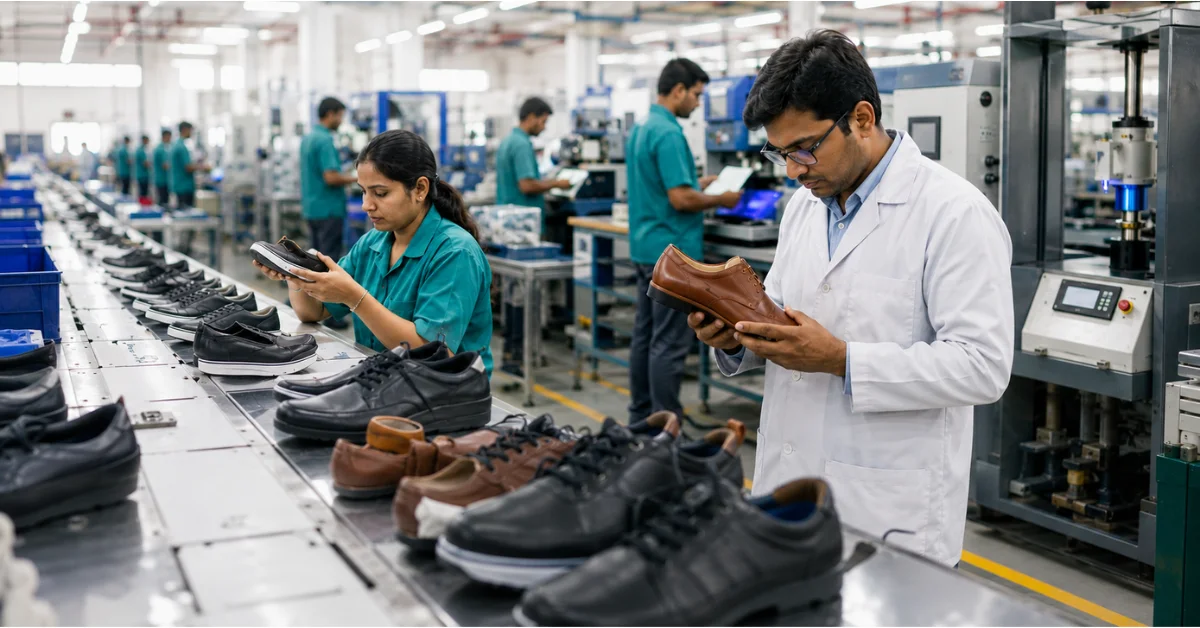
The amendments also carve out an exemption for importing footwear samples for research and development.
Manufacturers of leather and footwear products will now be permitted to import up to 4,500 pairs of footwear annually for R&D and other non-commercial purposes.
Read also : Centre to set up modern testing facilities for toy clusters as exports rise 239%, industry asked to target global markets
These samples cannot be sold commercially, must be prominently marked and embossed with the words “NOT FOR SALE,” and must be disposed of as scrap after use. Manufacturers are required to maintain year-wise records of such imports and furnish them to the government when required.
According to DPIIT, the sample exemption is meant to let manufacturers evaluate product designs, assess whether documentation alone is sufficient for product assessment, and determine the actual quantity of samples needed for genuine research and development.
Samples imported under the provision are intended solely for vendor presentations or for replication and subsequent manufacture within India, and are expressly barred from commercial sale.
DPIIT said the amendments reflect its continued commitment to strengthening India’s quality ecosystem while promoting ease of doing business.
The transitional provisions – the extended legacy stock deadline and the annual sample import allowance – are intended to ease compliance, support product development and innovation, and facilitate industry operations without compromising quality standards. The department said the measures are aligned with the Prime Minister’s vision of “Zero Defect, Zero Effect” manufacturing and are expected to advance the objectives of the Make in India initiative while strengthening India’s position as a global hub for quality manufacturing.