The National Mission for Clean Ganga (NMCG) has completed Urban River Management Plans for 13 cities as part of a wider push to bring river health into urban planning across the Ganga basin.
The initiative is being carried out by NMCG in collaboration with the National Institute of Urban Affairs (NIUA) under the Namami Gange Programme.
It aims to help cities plan development around rivers instead of treating them only as drainage channels or riverfront assets.
According to the Jal Shakti Ministry, Urban River Management Plans are being prepared for 27 cities under Phase-I and 33 additional cities under Phase-II.
The ministry said this will take the overall coverage to 60 cities across the Ganga basin.
The broader scale-up builds on earlier pilot work in cities such as Ayodhya, Kanpur and Chhatrapati Sambhaji Nagar.
The plans are focused on river-centric urban development, including pollution reduction, flood resilience, ecological restoration, wetland rejuvenation, eco-tourism, cultural heritage conservation and citizen participation.
Read also : PMAY-U 2.0: Over 42,000 houses sanctioned in Madhya Pradesh, 38,000 families move into new homes
The initiative follows the river-centric planning approach outlined by Prime Minister Narendra Modi during the National Ganga Council meeting in Kanpur in December 2019.
The idea is to shift from conventional city-centric development to a model where rivers are placed at the centre of urban planning and civic life.
The URMP framework is built around three broad pillars: environmental, economic and social.
The document also includes a ten-point agenda covering floodplain regulation, pollution abatement, rejuvenation of wetlands and water bodies, enhancement of riparian buffers, reuse of treated water, eco-sensitive riverfront development, quality return flows, sustainable use of river resources and sustained citizen engagement.
Under Phase-I, supported by the World Bank, plans are being developed for 27 cities across Uttarakhand, Uttar Pradesh, Bihar, Jharkhand and West Bengal.
These include cities from the upper Ganga basin such as Gangotri and Rishikesh to eastern urban centres such as Howrah, Asansol and Durgapur.
The ministry said URMPs for several cities, including Haldwani-Kathgodam, Ramnagar, Rishikesh, Gorakhpur, Shahjahanpur, Bijnor, Prayagraj, Mirzapur, Chapra, Buxar and Gaya, have already been completed.
Plans for 12 more cities are targeted for completion by March 2027.
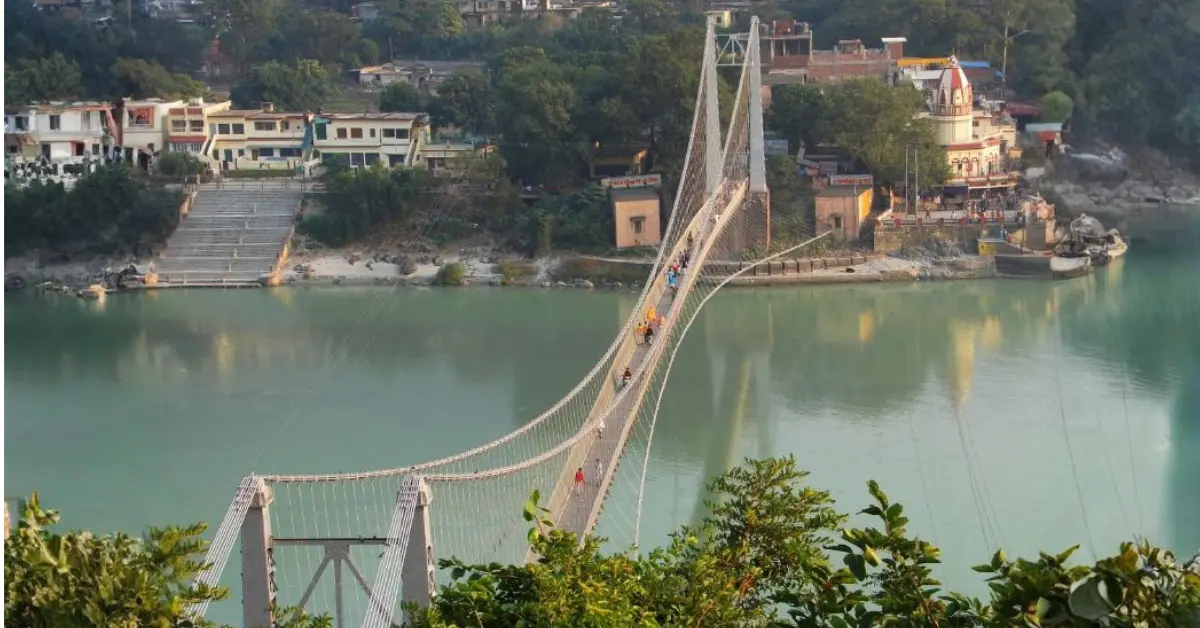
In Uttarakhand, the plans for Haldwani-Kathgodam, Ramnagar and Rishikesh focus on restoring ecological links between cities and rivers.
Haldwani-Kathgodam’s plan seeks to reconnect the city with the Gaula River through riparian buffers and flood management measures.
Ramnagar’s plan links the Kosi River with the Corbett eco-tourism corridor through biodiversity-oriented riverfronts, avian parks, watch towers and ecological public spaces.
In Rishikesh, the plan focuses on tributary and wetland rejuvenation, sewerage upgrades and faecal sludge management.
The ministry said the approach is aimed at balancing spirituality, environmental restoration and urban resilience in Himalayan cities.
In Uttar Pradesh, the URMPs focus on flood resilience, pollution reduction, riverfront rejuvenation and public participation.
Gorakhpur’s plan uses blue-green infrastructure such as sponge parks, bioswales, constructed wetlands and ecological riverfronts to address urban flooding.
Shahjahanpur’s plan focuses on the Garra and Khannaut rivers through eco-friendly ghats, water quality monitoring, wastewater treatment and citizen campaigns.
Prayagraj’s plan treats the city’s rivers as “Living Heritage Corridors”, linking ecological restoration, tourism, flood resilience and heritage-sensitive riverfront development around the Sangam and associated cultural landscapes.
In Bihar, the plans for Buxar, Chapra and Gaya focus on the relationship between rivers, culture and urban resilience.
Buxar’s plan proposes an eco-sensitive riverfront along the Ganga with biodiversity zones, eco-parks, permeable ghat infrastructure and canal rejuvenation.
Chapra’s plan focuses on floodplain zoning, ecological restoration of the Tel River corridor, decentralised wastewater treatment and restoration of ponds and wetlands.
Gaya’s plan aims to restore the hydro-ecology of the Falgu River through groundwater recharge, floodplain restoration, phytoremediation of polluted drains and GIS-based monitoring of water bodies.
The initiative is also moving from planning to selected on-ground interventions. In Kanpur, NMCG and NIUA are working on pilot interventions, including rejuvenation of the COD Drain and restoration of urban water bodies using Lake Assessment and Monitoring Analysis System technology.
NMCG is also using the Performance Based Incentive Grant mechanism under its World Bank partnership to encourage urban local bodies to take up priority interventions identified through the plans.
These may include riparian buffers, faecal sludge and septage management plans, restoration of wetlands and water bodies, eco-friendly riverfront development and technology-enabled river management tools.
The ministry said the long-term aim is to cover all 97 cities along the main stem of the Ganga and eventually expand the model to other river systems in India.
Read also : GMDA sets six-month target for 100% reuse of tertiary treated water in Gurugram