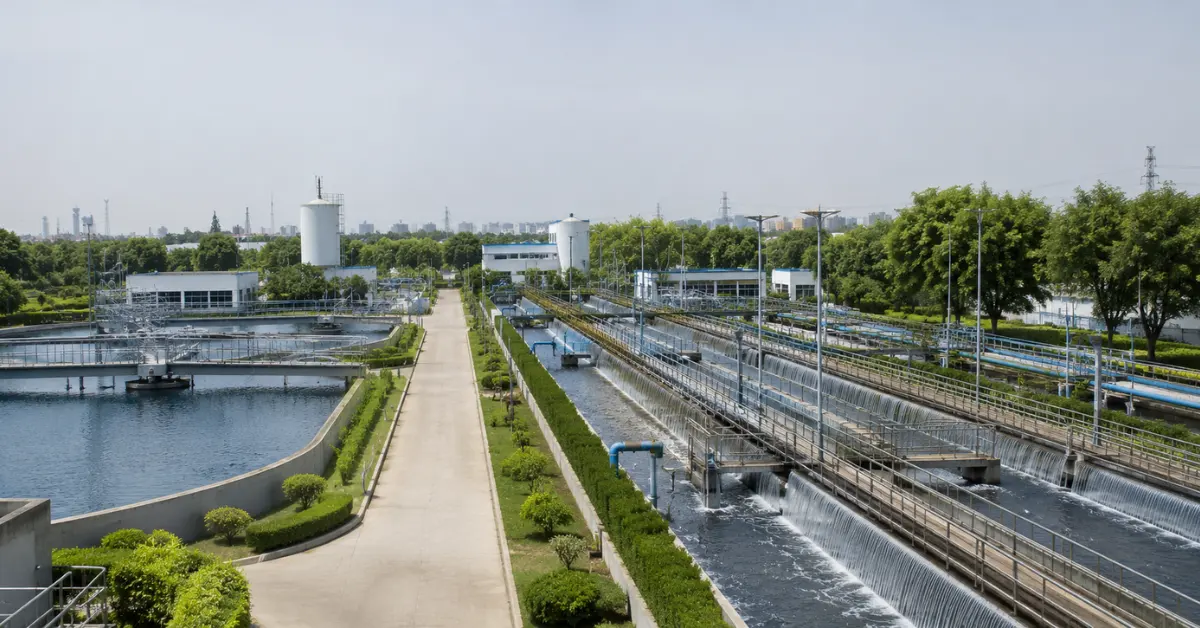
Gurugram Metropolitan Development Authority has set a six-month target to ensure 100 per cent reuse of tertiary treated water in Gurugram, with officials directed to stop the discharge of treated water into Drain No. 8, also known as the Najafgarh drain.
The direction was issued by GMDA CEO P.C. Meena during a review meeting last week on the use of treated water across the city.
The meeting was attended by major treated-water users, resident welfare associations, industry representatives, NGOs and GMDA officials.
Meena directed officials to work in mission mode and ensure that treated water is used for irrigation, industrial activity, groundwater recharge, parks, green belts and other non-drinking purposes.
According to GMDA, around 143 MLD of tertiary treated water from the Dhanwapur sewage treatment plant is currently being used for irrigation, benefiting villages located along the STP channel.
Another 70 MLD of treated water from Behrampur is being reused for industrial purposes, groundwater recharge, maintenance of green belts, parks and water bodies.
Textile industry representatives told GMDA that nearly 10 MLD of treated water from Behrampur STP is being used by textile units through their own pipeline network and pumping infrastructure.
GMDA is also earning around ₹30 lakh in revenue through the supply of treated water to industrial consumers.
At the meeting, Anil Jain, Chairman of the Textile Association, said the quality of treated water supplied from Behrampur STP was satisfactory and among the best available treated water in Haryana.
He said the textile industry had invested in pipelines and pumping stations to use the treated water.
Representatives of Sector 31 and Sector 46 RWAs also backed the initiative, saying treated water was being used for irrigation of parks and green belts.
The use of treated water, they said, is helping conserve freshwater resources in the city.
Read also : Delhi-NCR air pollution control push ahead of winter to cover vehicles, dust, waste and stubble
GMDA is also using treated water to recharge groundwater through water bodies, including ponds at Sakatpur, Tikli and Silokhra.
NGO representatives suggested creating more water bodies in nearby hilly areas to store and use treated water.
The GMDA CEO directed officials to examine the feasibility of such projects.
The authority is also working on additional treated-water capacity.
Two STP upgradation projects of 90 MLD and 75 MLD are under implementation and are expected to be completed by August 2027.
Once completed, these projects will add 165 MLD of treated water capacity for reuse.
Meena asked officials to plan the required infrastructure in advance, including hydrants and distribution arrangements, so that the additional treated water can be used effectively once the projects are completed.
GMDA will also explore the use of treated water for firefighting operations at fire stations, reducing dependence on freshwater for non-potable uses.
The authority said complete reuse of treated water would help recharge groundwater, conserve freshwater, reduce groundwater extraction and generate additional revenue for GMDA.
Read also : Delhi roads to get scientific checks and faster pothole repairs under new CRRI-MCD pact