The Centre has released a fresh ₹10,021 crore Mother Sanction under the Pradhan Mantri Awaas Yojana-Gramin (PMAY-G) to 12 states, as the government sharply scales up rural housing targets for 2026-27.
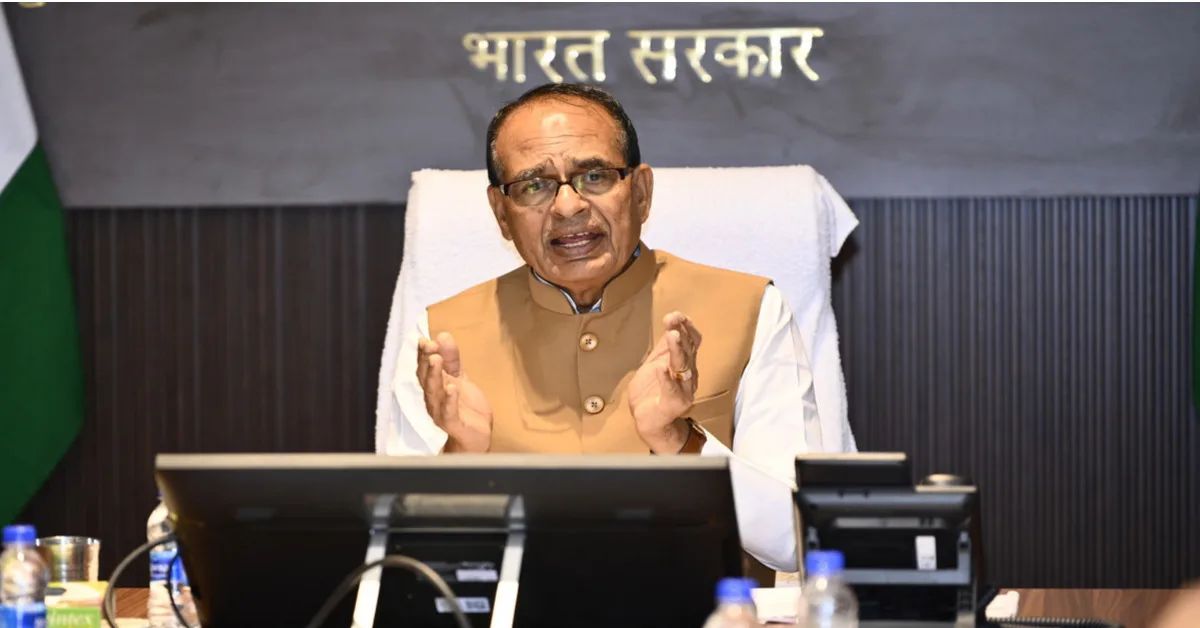
The sanction was released by Union Rural Development Minister Shivraj Singh Chouhan through video conferencing on Thursday, 28 May.
According to a statement by the Ministry of Rural Development, the latest sanction takes total PMAY-G Mother Sanations released so far in FY 2026-27 to more than ₹21,000 crore.
Rural Development Secretary Rohit Kansal said that a Mother Sanction of ₹11,121 crore had already been released earlier for FY 2026-27 and an additional sanction of over ₹10,021 crore has now been released.
Kansal said the housing target for the current year is nearly three times higher than last year and would be achieved through coordinated efforts between the Centre and states.
The 12 states receiving the latest sanction are Assam, Chhattisgarh, Gujarat, Haryana, Himachal Pradesh, Jharkhand, Karnataka, Kerala, Punjab, Rajasthan, Tamil Nadu and Uttar Pradesh.
According to the ministry, the government is targeting “Housing for All” by March 2029 under PMAY-G.
The ministry said approvals for 3.91 crore rural houses have already been issued against the total target of 4.95 crore houses under the scheme.
More than 3.05 crore houses have already been completed since the launch of PMAY-G in 2016.
Speaking during the programme, Chouhan said the scheme was aimed not only at constructing houses but also at improving rural living conditions through access to roads, electricity, drinking water, LPG connections and toilets.
The minister also highlighted the women empowerment aspect of the scheme, stating that nearly 75% of PMAY-G houses are either registered in the name of women or under joint ownership.
He urged states to provide land support to landless poor families, noting that housing construction is often delayed where beneficiaries do not possess land.
The minister further directed states to expedite completion of houses under construction, ensure timely utilisation of sanctioned funds and clear pending approvals linked to 2024-25 and 2025-26 targets by 30 June 2026.
According to the ministry, several states have introduced innovations such as grievance redressal systems, helplines, rainwater harvesting initiatives, self-help group-based livelihood support and mason training programmes to accelerate implementation.
PMAY-G is one of the Centre’s flagship rural welfare schemes aimed at replacing kutcha houses with pucca homes equipped with basic civic amenities.
The scheme was launched in 2016 after replacing the earlier Indira Awaas Yojana framework.
The government has increasingly linked PMAY-G with other welfare schemes to provide integrated support for sanitation, electricity, drinking water and clean cooking fuel in rural households.