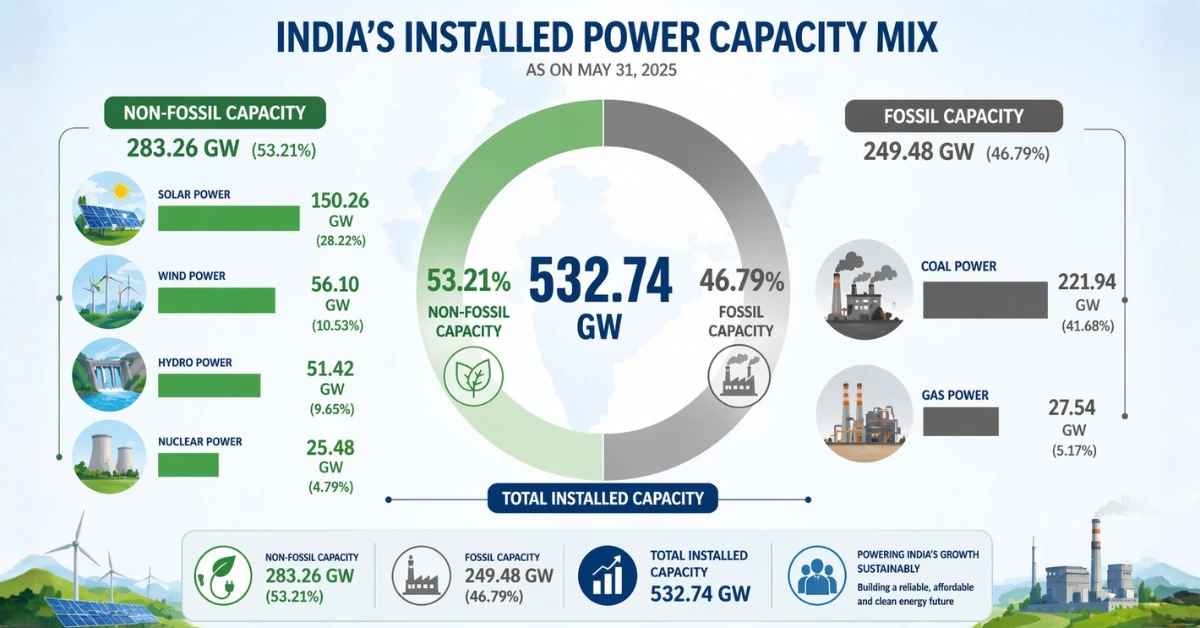
India’s total installed power generation capacity has reached 532.74 GW as of 31 March 2026, with non-fossil fuel sources now accounting for a majority share of 53.21 per cent, according to data released by the Central Electricity Authority (CEA).
The data shows that the country’s total non-fossil fuel capacity stands at 283.47 GW, surpassing fossil fuel-based capacity of 249.27 GW, which accounts for 46.79 per cent of the total installed capacity.
Among non-fossil sources, renewable energy (including hydro) contributed 274.69 GW, while nuclear power accounts for 8.78 GW.
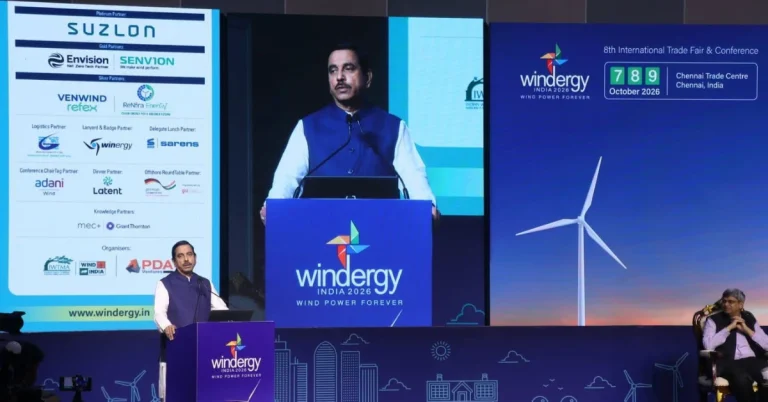
Solar energy leads the renewable mix with 150.26 GW, followed by wind power at 56.10 GW.
Hydro power, including pumped storage projects, contributed 51.42 GW.
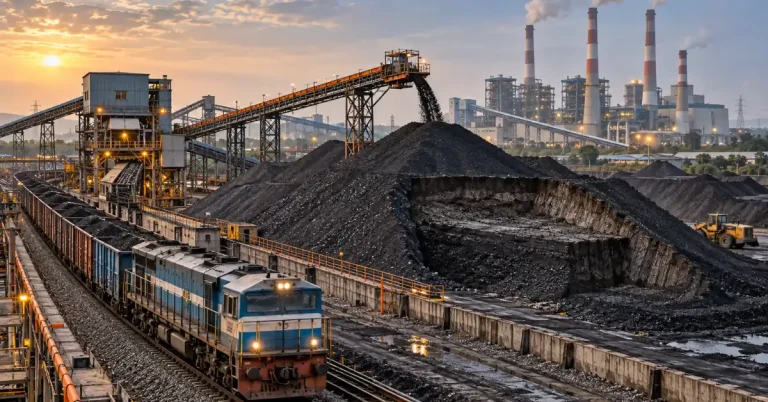
Within fossil fuels, coal continues to dominate with 221.94 GW, representing 41.66 per cent of the total capacity.
This is followed by gas-based capacity at 20.12 GW and lignite at 6.62 GW, while diesel-based generation remains marginal at 0.59 GW.
The data highlights the growing role of renewable energy in India’s power sector, with wind, solar and other renewable sources collectively accounting for 223.27 GW, or 41.91 per cent of the total installed capacity.
Other renewable segments include biomass power at 10.87 GW, small hydro projects at 5.17 GW and waste-to-energy capacity at 0.88 GW.