The Reserve Bank of India on Wednesday, 8 April, kept the benchmark policy repo rate unchanged at 5.25 per cent, marking a pause in its monetary policy cycle as global uncertainties and energy price risks intensify.
In its first policy decision for FY27, the six-member Monetary Policy Committee (MPC), which met from 6-8 April 2026, voted unanimously to maintain the policy rate.
The Standing Deposit Facility (SDF) rate remains at 5.00 per cent, while the Marginal Standing Facility (MSF) rate and Bank Rate continue at 5.50 per cent. The MPC also retained a neutral policy stance, signalling flexibility in responding to evolving macroeconomic conditions.
The central bank indicated that while headline inflation remains below the target, upside risks have increased due to elevated global energy prices and potential weather-related disruptions.
Core inflation pressures remain subdued, though supply chain disruptions could affect the trajectory going forward.
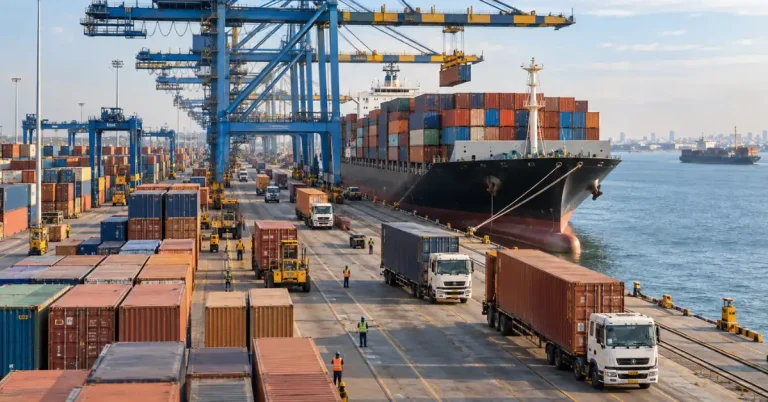
The policy decision comes against the backdrop of heightened global uncertainty and disruptions in supply chains, which have pushed up crude oil prices and increased volatility in financial markets.
These developments could lead to imported inflation, higher input costs and tighter financial conditions in the domestic economy.
On growth, the RBI maintained that India’s economic fundamentals remain resilient, supported by strong consumption and investment demand.
However, it warned that higher energy costs, freight rates and supply chain constraints could weigh on economic activity in the coming quarters.
The central bank has projected GDP growth for FY27 at 6.9 per cent, with quarterly estimates ranging between 6.7 per cent and 7.2 per cent.
At the same time, CPI inflation is projected at 4.6 per cent for the year, with risks tilted to the upside due to global uncertainties and commodity price pressures.
The RBI also highlighted multiple channels through which global developments could impact the domestic economy, including higher crude oil prices widening the current account deficit, disruptions in energy and fertiliser markets affecting output, and weaker global demand dampening exports and remittances.
Despite these risks, the central bank emphasised that India’s macroeconomic fundamentals are stronger than in previous crisis episodes, providing a buffer against external shocks.
It described the current situation as a supply shock and indicated a cautious, watchful approach while remaining ready to act as conditions evolve.
On the external front, India’s foreign exchange reserves stood at US$ 697.1 billion as of early April, providing adequate cover against external vulnerabilities.
However, rising global uncertainties and energy prices pose upside risks to the current account deficit and capital flows.
In addition to the rate decision, the RBI announced measures aimed at improving ease of doing business, including simplifying regulatory instructions and easing onboarding requirements for MSMEs on TReDS platforms.
It also proposed changes to capital adequacy norms and steps to deepen the term money market by expanding participation.
The central bank reiterated that its policy approach will remain data-dependent, with a focus on balancing growth and inflation while managing risks arising from an uncertain global environment.