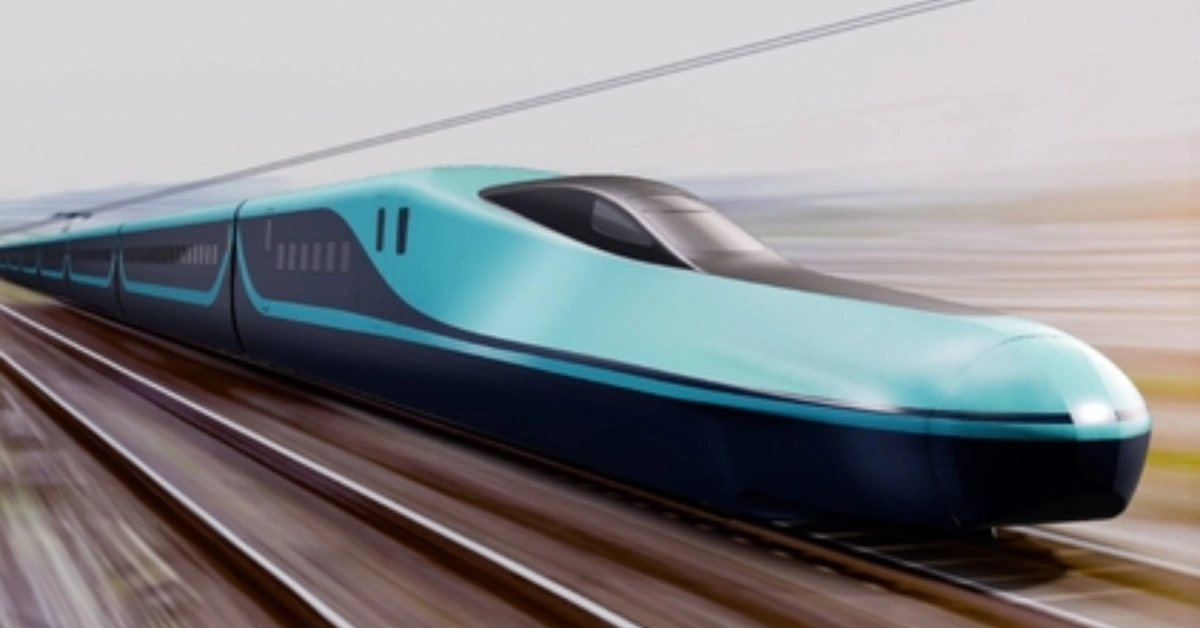
The Ministry of Railways has initiated steps to accelerate the implementation of seven new High-Speed Rail corridors announced in the Union Budget 2026, signalling a major expansion of next-generation passenger transport in India.
The proposed corridors include Mumbai-Pune, Pune-Hyderabad, Hyderabad-Bengaluru, Hyderabad-Chennai, Chennai-Bengaluru, Delhi-Varanasi and Varanasi-Siliguri.
These routes are planned as strategic connectors linking major economic, industrial and cultural centres across the country.
Following a high-level meeting at the Railway Board, the National High Speed Rail Corporation Limited has been directed to take immediate action to ensure timely progress on the projects.
As part of the implementation roadmap, Detailed Project Reports for corridors that have already been completed will be updated with current cost estimates to support accurate financial viability assessments.
The Railway Board has also called for the standardisation of high-speed rail systems across India and the creation of dedicated field-based core teams for each corridor to streamline execution.
Pre-construction activities, including preparation of contract documentation, are set to be initiated, while planning for trained technical manpower has been emphasised to ensure readiness for large-scale deployment of high-speed rail infrastructure.
Progress on all action points will be reviewed at an appropriate level, underscoring the government’s focus on accelerating high-speed rail development nationwide.
The seven corridors are expected to significantly reduce travel time, enhance passenger comfort and promote sustainable, low-emission rail connectivity.
In addition to transportation benefits, the projects are anticipated to catalyse regional economic growth by improving inter-city accessibility and strengthening economic integration.