India’s railway modernisation drive has gathered pace with works of 172 stations completed under the Amrit Bharat Station Scheme, marking a significant milestone in the government’s effort to upgrade passenger infrastructure across the country.
The Ministry of Railways launched the scheme with a long-term vision to transform stations through phased redevelopment based on detailed master plans.
“So far, 1337 stations have been identified for development under this scheme. Till now, works of 172 stations have been completed,” Railway Minister Ashwini Vaishnaw said in a written reply to a question in the Lok Sabha.
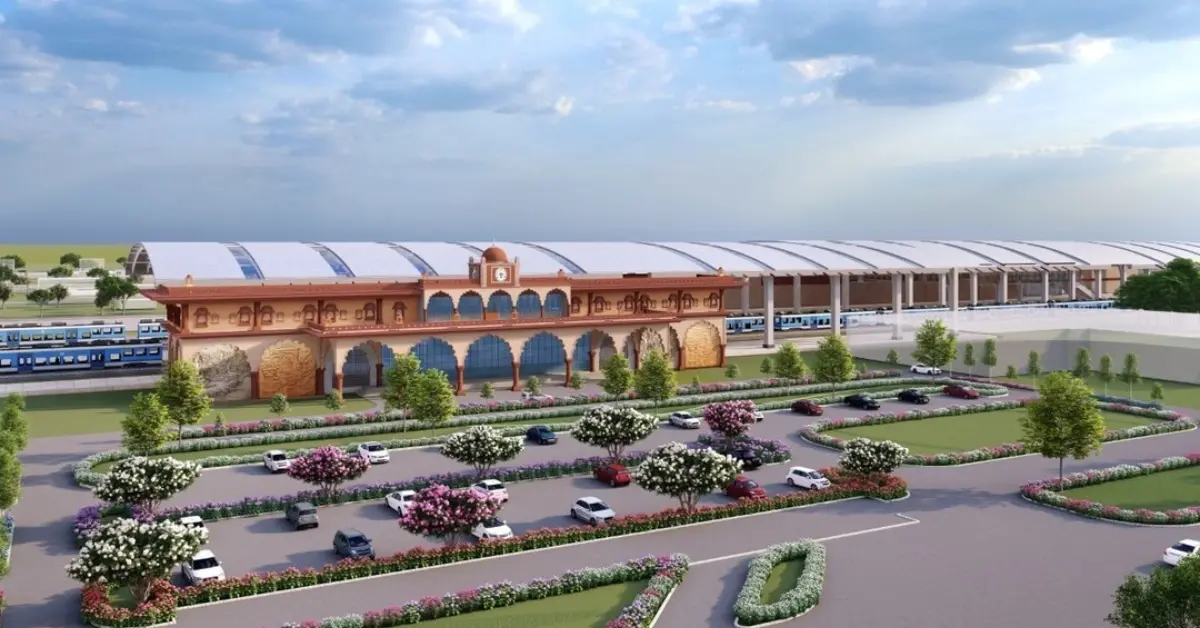
The redevelopment focuses on improving station accessibility and circulating areas while ensuring seamless integration with both sides of the city. Upgraded station buildings, enhanced waiting halls, modern toilets, better seating arrangements, and water booths form part of the passenger-centric improvements being implemented.
To handle rising passenger traffic, stations are being equipped with wider foot overbridges and air concourses, along with lifts, escalators, and ramps to improve mobility.
The programme also prioritises inclusive infrastructure by adding amenities for Divyangjans.
Platform surfaces are being upgraded and covered where required, while kiosks promoting local products are being introduced under initiatives such as ‘One Station One Product’.
The plan also includes parking facilities and multimodal transport integration to support smoother last-mile connectivity.
Railways is strengthening passenger information systems and creating executive lounges, designated business meeting spaces, and landscaped areas to enhance the overall travel experience.
The scheme further emphasises sustainability through environment-friendly solutions and the provision of ballastless tracks wherever necessary, subject to feasibility and project phasing.
In the long term, stations are expected to evolve into urban hubs, supporting the creation of city centres around key railway infrastructure.