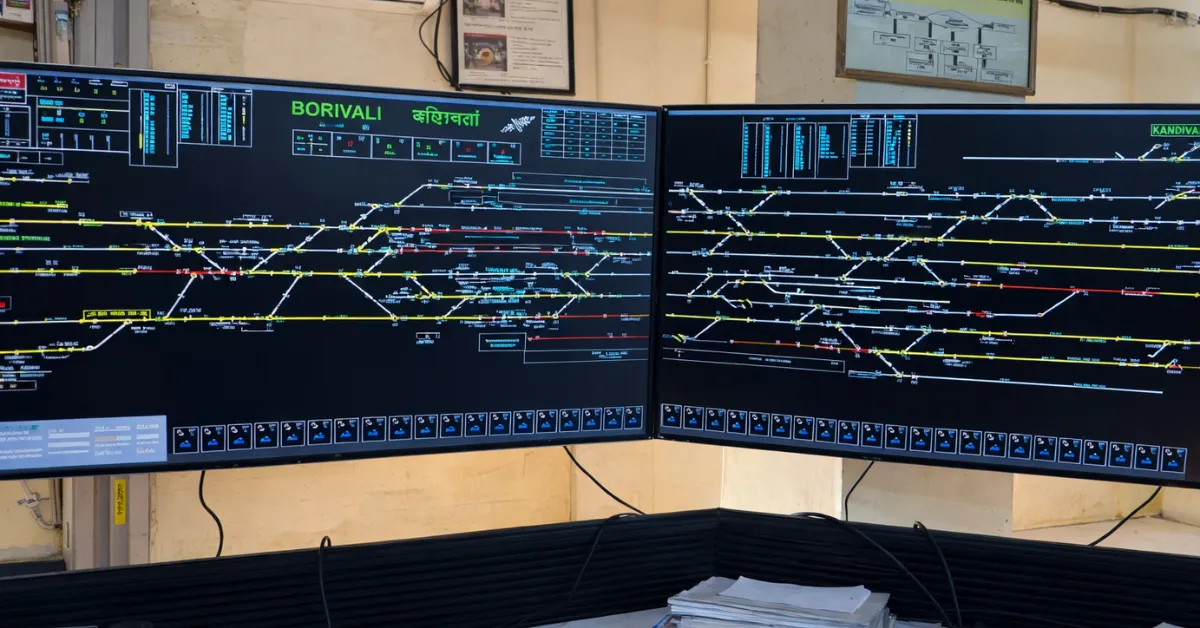
Indian Railways has commissioned the largest Electronic Interlocking (EI) system in the Mumbai Suburban Railway network at Borivali station, marking a significant milestone in railway modernisation aimed at improving safety, operational precision and reliability for millions of daily commuters.
The Western Railway completed the transition from the ageing relay-based signalling system to the advanced EI setup at Borivali, which now controls hundreds of train routes across multiple running lines. The new system is part of broader infrastructure work, including the Kandivali-Borivali sixth line project, to decongest one of India’s busiest suburban corridors.
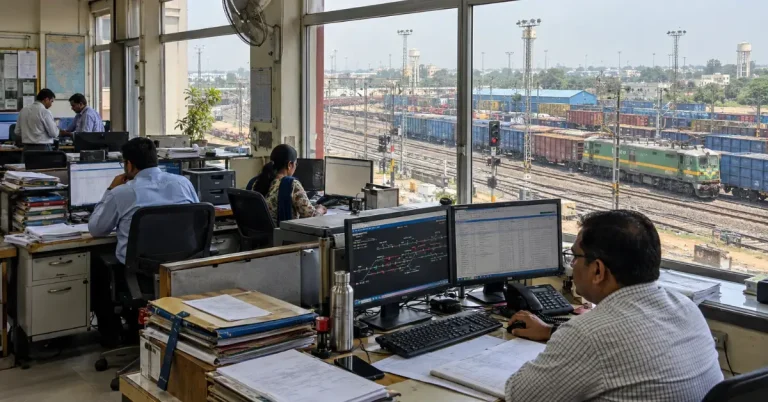
This upgraded interlocking arrangement enhances automated control of track signals and points, reducing human error and supporting faster, more accurate routing of trains. The modern signalling room manages complex operations with high-resolution displays and real-time monitoring tools.
“Indian Railways commissions the largest Electronic Interlocking (EI) system in the Mumbai Suburban network at Borivali, Maharashtra. The installation replaces the legacy relay system, enhancing safety, precision, reliability and operational efficiency,” the Railway Ministry said in a post on X on Monday (26 January).
Experts say such electronic systems use software-based logic to ensure that a train receives permission to proceed only when the path ahead is verified as clear and safe, strengthening operational reliability and lowering the likelihood of delays or routing conflicts.
The upgrade comes amid ongoing efforts to increase the capacity of the suburban network under programmes such as the Mumbai Urban Transport Project, which focuses on improving infrastructure to better serve the city’s growing commuter demand.