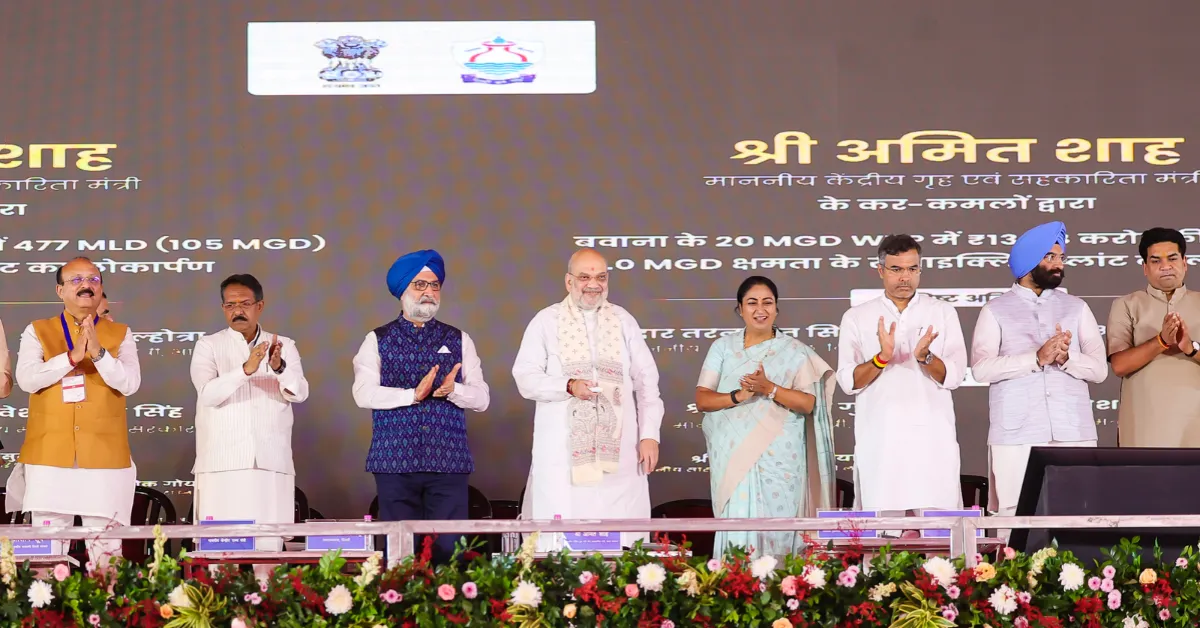
New Delhi, October 23, 2026: Union Home Minister Amit Shah inaugurated 10 water and sewage infrastructure projects worth ₹2,827.11 crore and laid foundation stones for 33 others valued at ₹6,114.11 crore in Delhi on October 22, under a ₹8,941.22 crore programme aimed at improving water supply and reducing untreated sewage entering the Yamuna.
The 43 Delhi Jal Board (DJB) projects cover sewage treatment plants, sewer networks, household connections, pumping stations, drainage systems and water treatment infrastructure. While 10 projects were inaugurated, the remaining 33 are at the foundation-stone stage and have not been completed.
Among the major facilities inaugurated was a sewage treatment plant at Okhla, with a capacity to treat 124 million gallons of wastewater per day (MGD). According to DJB officials cited by PTI, the plant was constructed at an estimated cost of ₹1,161 crore.
The programme also includes upgrading eight existing sewage treatment plants at an estimated cost of ₹1,041 crore, increasing their combined treatment capacity from 78.2 MGD to 140.8 MGD. According to figures announced by Delhi Water Minister Parvesh Verma, these upgrades are expected to benefit approximately 78.5 lakh residents.
Another major component involves developing 29 decentralised sewage treatment plants and pumping stations across Outer Delhi at an estimated cost of ₹3,113.67 crore. These smaller facilities are intended to treat wastewater closer to where it is generated, particularly in areas where space constraints make large treatment plants difficult to establish.
The proposed facilities are expected to cover 358 unauthorised colonies and 113 villages, potentially benefiting around 36.29 lakh residents.
The programme also includes approximately 1,034 kilometres of new sewer network at an estimated cost of ₹1,691 crore. The proposed network is expected to extend sewage collection facilities to underserved areas and benefit around 25.82 lakh residents.
Water supply improvements include a 477-million-litre-per-day (MLD) treatment plant at Chandrawal, listed at ₹298.3 crore in the Delhi government’s October project briefing. The facility is intended to replace ageing water treatment infrastructure and serve approximately 22 lakh residents.
Other works include sewer rehabilitation, drainage improvements and measures to intercept wastewater before it enters the Yamuna.
Addressing the ceremony, Shah said the Centre and the governments of Delhi, Haryana and Uttar Pradesh had prepared coordinated plans to clean the Yamuna. He expressed confidence that the river could be cleaned before May 2029.
Delhi Water Minister Parvesh Verma had earlier said the government expected the infrastructure works to be completed over the next two to two-and-a-half years. The anticipated reduction in untreated sewage entering the Yamuna will depend on the completion and operation of the planned treatment facilities and sewer networks.
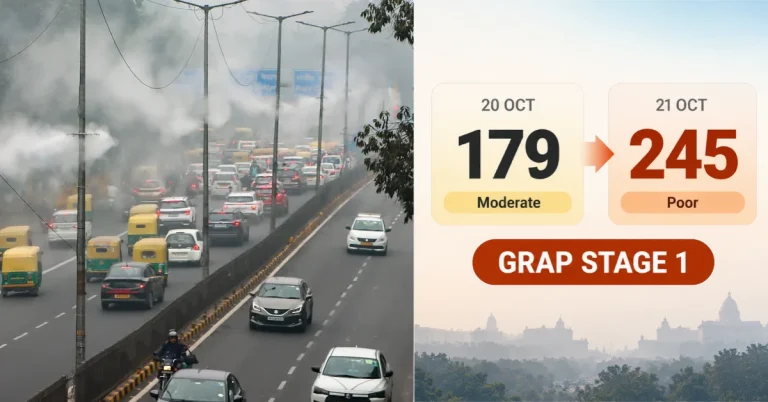
Read also: Delhi’s AQI jumps from 179 to 245 in a day, triggering GRAP Stage 1 restrictions across NCR