New Delhi: India’s Production Linked Incentive schemes have attracted actual investment of more than ₹2.40 lakh crore across 14 sectors, while cumulative exports since their inception have exceeded ₹15.2 lakh crore.
The schemes had generated more than 14.15 lakh direct and indirect jobs as of 31 March 2026, according to information given by Minister of State for Commerce and Industry Jitin Prasada in a written reply in the Lok Sabha on 21 July.
The government has approved a total financial outlay of ₹1.91 lakh crore for the PLI programme, aimed at expanding domestic manufacturing, attracting investment, increasing exports and strengthening India’s position in global supply chains.
The Department for Promotion of Industry and Internal Trade coordinates and monitors the programme, while the respective ministries and departments implement the sector-specific schemes.
Official sector-wise data showed cumulative employment of 8,49,069. An additional 5.66 lakh indirect jobs were reported in large-scale electronics manufacturing, IT hardware and high-efficiency solar photovoltaic module manufacturing, taking overall employment generation beyond 14.15 lakh.
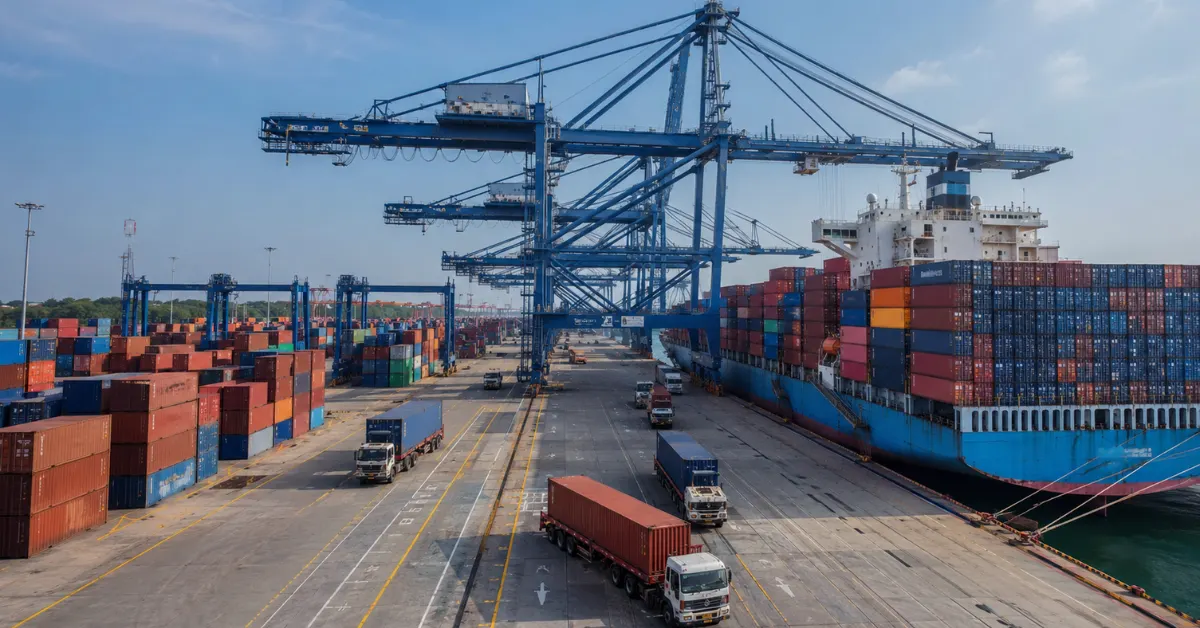
Cumulative exports reported under the PLI schemes increased from ₹4 lakh crore as of 31 March 2024 to ₹6.5 lakh crore as of 31 March 2025 and ₹15.2 lakh crore as of 31 March 2026.
Solar module sector records highest investment
The PLI scheme for high-efficiency solar photovoltaic modules recorded the highest cumulative investment among the 14 sectors at ₹64,873 crore.
It was followed by pharmaceuticals at ₹45,158 crore, automobiles and auto components at ₹44,326 crore, specialty steel at ₹23,896 crore and large-scale electronics manufacturing at ₹20,580 crore.
The food products sector recorded the highest employment at 3,29,200, followed by large-scale electronics manufacturing at 1,69,249 and pharmaceuticals at 1,14,880.
The automobile and auto components sector generated 67,820 jobs, while the white goods sector accounted for 52,703 jobs.
Mobile phone production rises 2.4 times
Mobile phone production under the large-scale electronics manufacturing scheme has increased around 2.4 times since the scheme was launched.
Mobile phone imports have fallen by about 77%, while nearly 99.2% of mobile phones used in India are now manufactured domestically.
In the pharmaceuticals sector, cumulative sales under the PLI scheme have crossed ₹3.64 lakh crore.
The programme has supported domestic manufacturing of 1,931 pharmaceutical products, including 191 bulk drugs produced in India for the first time.
Under the separate PLI scheme for bulk drugs, around 55,000 metric tonnes of manufacturing capacity has been established across 26 critical active pharmaceutical ingredients.
These include ingredients used in the production of paracetamol, levofloxacin and norfloxacin.
Medical devices and telecom manufacturing expand
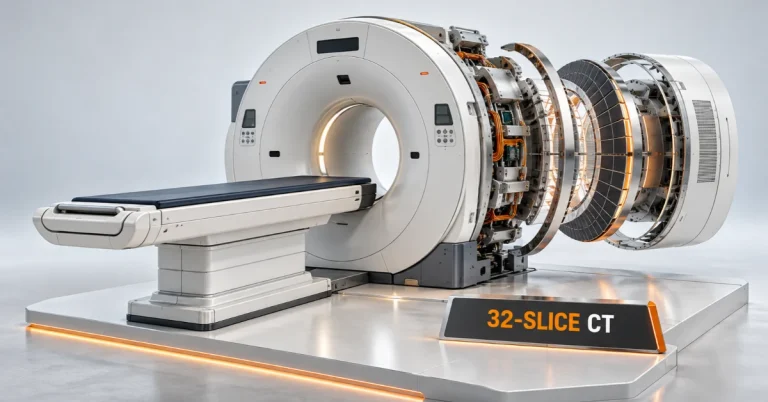
The medical devices scheme has supported domestic manufacturing of equipment such as CT scanners, MRI systems, catheterisation laboratories and ultrasonography machines.
A total of 22 applicants have commenced operations, while 55 unique medical devices have been commissioned.
In the telecom and networking products sector, the programme has supported the development of indigenous 4G technology and domestic manufacturing capacity for 5G telecom equipment.
The white goods scheme has also expanded domestic component manufacturing. Compressor production capacity increased from 1 million units in 2021 to 10 million units in 2025-26.
The government said localisation of components such as printed circuit board assemblies and cross-flow fans had also improved, supporting domestic production of several critical air-conditioner components.
Implementation of the PLI schemes is periodically reviewed by the Empowered Group of Secretaries, chaired by the Cabinet Secretary, and by the respective administrative ministries.
The government has also modified guidelines and relaxed certain eligibility conditions in some sectors to address implementation challenges, accelerate investment and improve participation.
Read also : Amul launches ₹700 crore Howrah dairy project, plans world’s largest curd manufacturing plant
Read also : Heavy Industries Ministry opens bids for 10 GWh grid-scale battery manufacturing capacity