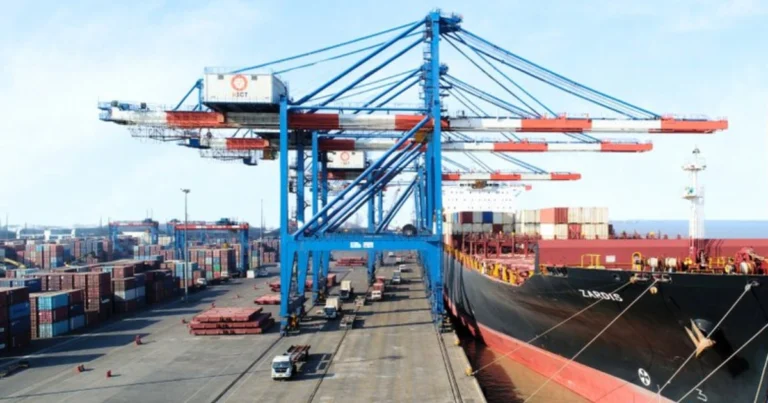
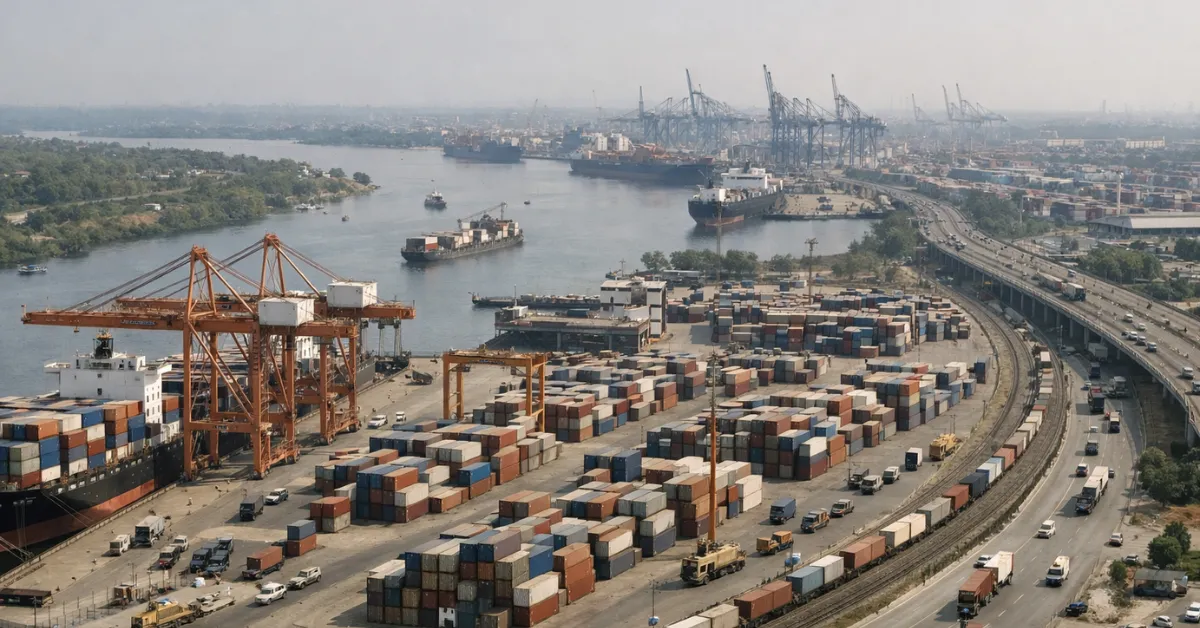
The combined cargo handling capacity of India’s major ports has increased from 555 million metric tonnes per annum in FY 2013-14 to 1,681 MTPA in FY 2024-25, while container vessel turnaround time has reduced from 41.76 hours to 28.5 hours over the same period, the government informed the Rajya Sabha.
In a written reply to a question in the Rajya Sabha, Minister of Ports, Shipping and Waterways Sarbananda Sonowal outlined the improvements achieved in logistics performance and port infrastructure as a result of ongoing reforms and initiatives.
Cargo movement through inland waterways has also registered significant growth, rising from 18.07 million metric tonnes in FY 2013-14 to 145.84 million metric tonnes in FY 2024-25, indicating increasing utilisation of waterways as a mode of transport.
To accelerate port-based development under PM GatiShakti and Sagarmala programmes, the government has mapped 26 data layers of operational ports along with relevant attributes on the GIS-based PM GatiShakti National Master Plan portal.
The platform enables integrated planning of infrastructure, technology interventions, policy reforms and identification of critical last-mile road and rail connectivity projects.
The Sagarmala programme focuses on enhancing port capacity, connectivity and efficiency to promote port-led development.
Read also : 50 Sagarmala projects under implementation with ₹3,581 crore investment: Govt
Key areas include port modernisation and mechanisation, strengthening last-mile road and rail links, coastal community development and promotion of multimodal logistics parks.
The programme also emphasises integration of ports with coastal shipping and inland waterways to reduce logistics costs and improve overall supply chain efficiency.
On the policy front, the National Waterways Construction of Jetties and Terminals Regulations, 2025 have been notified to enable public and private participation in jetty and terminal development.
Additionally, the Jal Samriddhi portal has been developed to facilitate online applications for no objection certificates for construction and operation of terminals on national waterways.
The government also launched the Jalyan and Navic central database portal in 2025 for vessel registration, surveys, and crew training and certification under the Inland Vessels Act, 2021.
To promote inland waterways cargo transport, the Jalvahak Cargo Promotion Scheme provides a 35 per cent incentive and supports scheduled cargo services on National Waterways 1, 2 and 16 via the Indo-Bangladesh Protocol route.
As part of green shipping initiatives, the ministry launched the HaritSagar Green Port Guidelines in May 2023 to reduce carbon footprints and develop an environmentally friendly ecosystem at major ports.
Further, the Green Tug Transition Programme, introduced in August 2024, aims to shift harbour tugs from conventional fuel-based systems to greener alternatives.
As a result of reforms and initiatives, the combined cargo handling capacity of the major ports increased from 555 million metric tonnes per annum in FY 2013-14 to 1,681 MTPA in FY 2024-25, while container vessel turnaround time reduced from 41.76 hours to 28.5 hours over the same period, the minister said.
He added that cargo movement through inland waterways increased from 18.07 million metric tonnes in FY 2013-14 to 145.84 million metric tonnes in FY 2024-25.