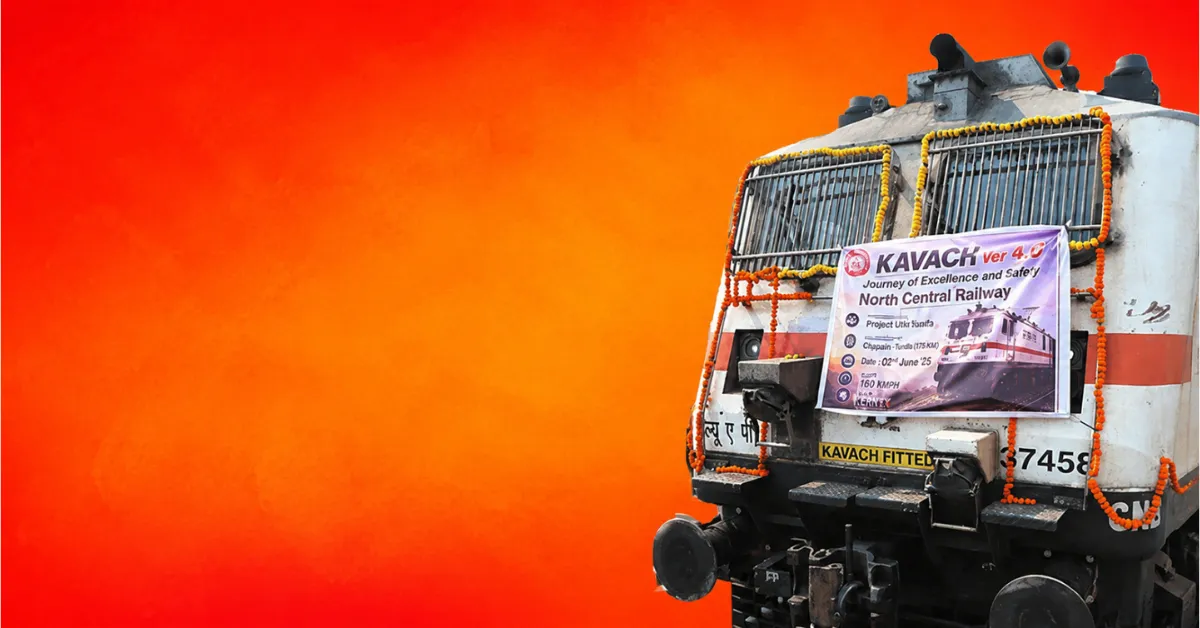
North Central Railway has commissioned Kavach Version 4.0 on the Chipiyana Buzurg-Tundla section, marking the first such deployment in the country for train operations at 160 Kmph, the Ministry of Railways said.
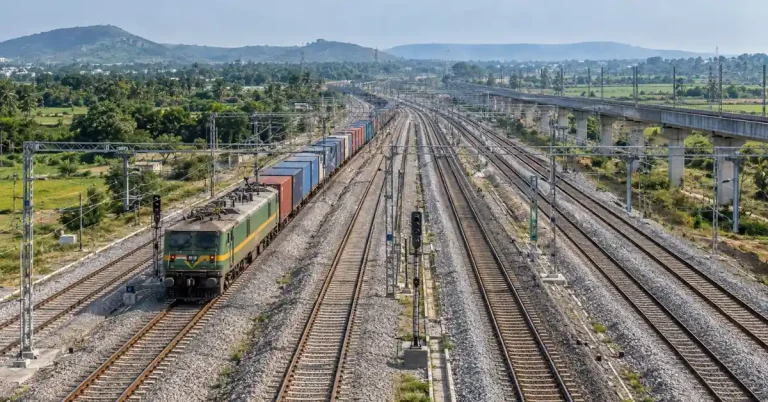
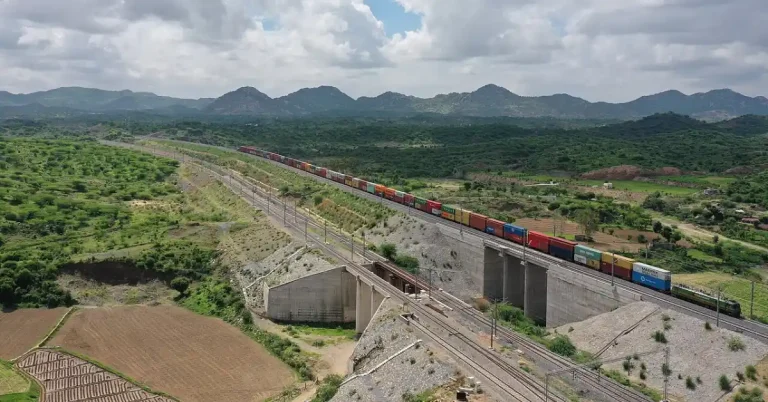
The automatic train protection system has been commissioned on the 175 route Km section between Chipiyana Buzurg and Tundla. With this, the Kavach Version 4.0 network on North Central Railway has expanded to 445 route Km.
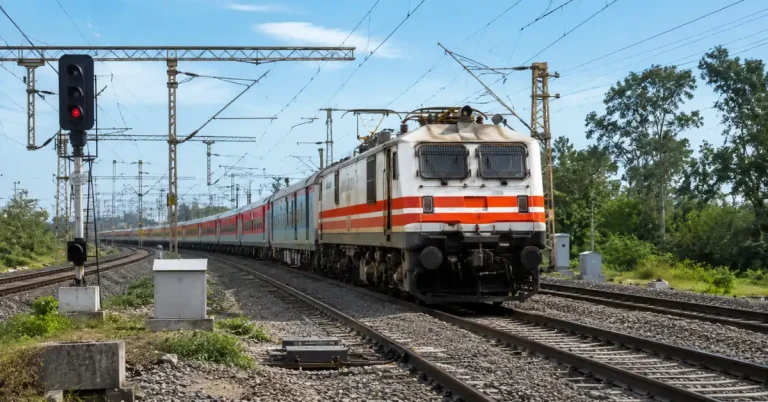
The commissioning was tested on Kanpur Shatabdi Express, train numbers 12033 up and 12034 down, which has been equipped with the Kernex-made Kavach system.
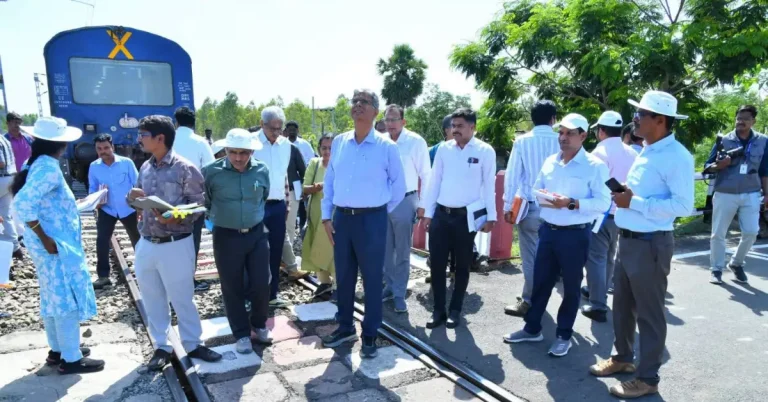
North Central Railway General Manager Naresh Pal Singh congratulated the technical team and described the commissioning as a major milestone towards Mission Raftaar.
The Railways said the Chipiyana Buzurg-Tundla section has become the only section on the Indian Railways network where Kernex-made Kavach Version 4.0 has been made fully operational for high-speed operations at 160 Kmph.
For the first time, Kavach has also been successfully integrated with Hitachi Electronic Interlocking through protocol converters.
The Railways said the EIPC and LC TCAS systems have been used to ensure integration with the track and signalling infrastructure.
The same section is also where Kernex received its official generic approval for Kavach Version 4.0 for operations at 160 Kmph.
To implement the system, North Central Railway installed large-scale infrastructure across the 175 route Km section.
This includes 22 S-TCAS and 9 LC-TCAS stationary Kavach units, while 10 WAP-7 locomotives have been fully equipped with the system.
More than 4,500 RFID tags have been installed on tracks. To strengthen communication, 9 new 40-metre towers have been constructed, along with a 48-core optical fibre cable backbone.
Before final commissioning, the system underwent safety trials by the Research Designs and Standards Organisation, North Central Railway’s core team and independent safety assessor Italcertifier.
The trials included more than 10,000 Km of No-BIU test running.
More than 180 SPAD prevention and loop-line speed control tests were also carried out to check the system’s ability to prevent signal passing at danger and control train speed on loop lines.
Head-on and rear-end collision prevention tests were also completed successfully.
The system was tested with LHB coaches of Vande Bharat, Shatabdi and Shram Shakti Express trains, along with light engines and WAP-7 and WAP-5 locomotives.
The work was carried out under the guidance of North Central Railway’s signal and telecommunication leadership, with support from the Prayagraj division team, headquarters drawing team and field teams at Tundla and Aligarh.
The Ministry of Railways said the commissioning is a major safety and speed-related achievement on the Delhi-Howrah main railway route.