India scales up waste-to-energy and bio-methanation as urban waste generation hits 1.62 lakh tonne per day, processing tops 1.32 lakh TPD as urban municipal waste generation reaches 1,62,293 tonne per day (TPD), signalling both the growing challenge of urbanisation and the country’s accelerating response through scientific waste management.
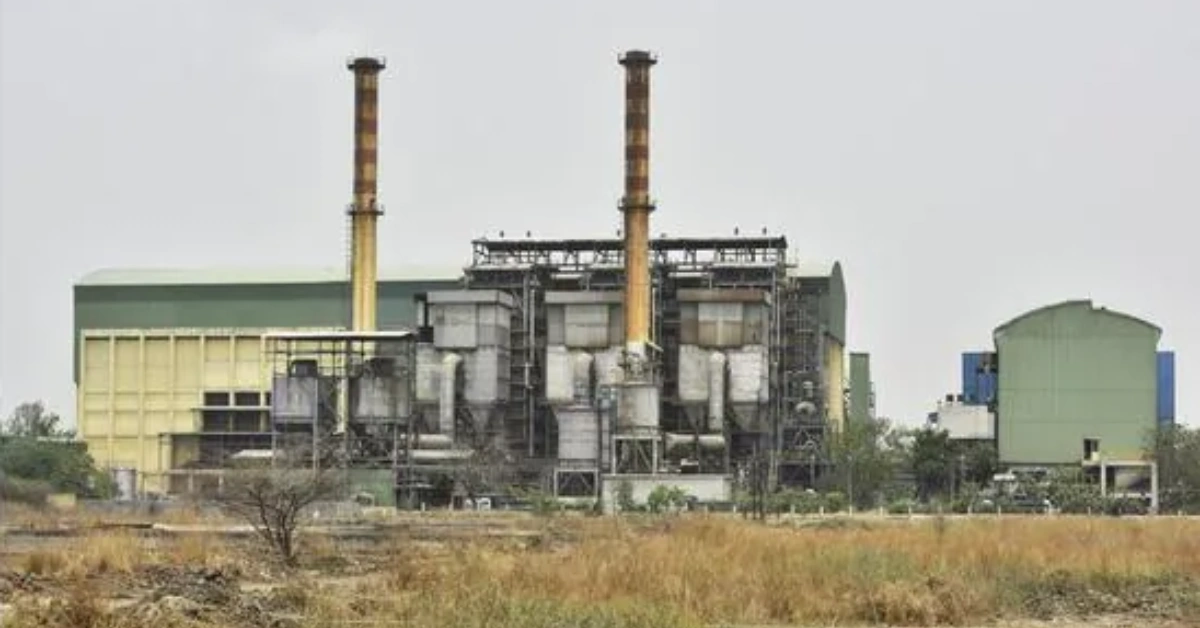
In a written reply to a question in the Lok Sabha on Thursday, 12 February, the government informed that 17 waste-to-electricity (WtE) plants with a designed capacity of 20,050 TPD are currently operational across the country.
In addition, 140 bio-methanation plants with a combined capacity of 5,833 TPD are functioning, while further capacity – 10,078 TPD of WtE projects and 18,655 TPD of bio-methanation (CBG) plants – is under various stages of implementation.
The expansion comes amid a sharp rise in waste processing capability in the country.
Of the total 1,62,293 tonne per day municipal solid waste generated in urban India, 1,32,514 TPD is now being processed, taking the national waste processing rate to 81.65 per cent – a substantial improvement from 16 per cent in 2014, according to the government.
This progress has been driven in part by the Swachh Bharat Mission-Urban (SBM-U) 2.0, launched in October 2021 for a five-year period with the objective of achieving Garbage Free status for all cities through 100 per cent source segregation, door-to-door collection and scientific disposal of all waste fractions, including remediation of legacy dumpsites.
According to data reported by States and Union Territories on the Swachhattam portal, 97 per cent of wards have achieved complete door-to-door waste collection, while 88 per cent wards have attained 100 per cent segregation of municipal solid waste, according to the government.
To support scientific waste treatment, the country has established a network of processing facilities such as Material Recovery Facilities (MRFs), transfer stations, composting plants, construction and demolition waste plants and waste-to-energy facilities.
Parallel to solid waste management, sewage treatment capacity has also expanded.
The total installed capacity of sewage treatment plants (STPs) stood at 26,869 million litres per day (MLD) as per the CPCB’s National Inventory of Sewage Treatment Plants in India – 2021.
According to the government, progress reports submitted by States and UTs till December 2024 indicate that installed STP capacity has increased to 36,048 MLD.
Additionally, 225 operational common effluent treatment plants provide a combined designed capacity of 2,245 MLD for treating industrial effluent.
The government said the Ministry of Housing and Urban Affairs supplements the efforts of States and Urban Local Bodies (ULBs) by providing policy guidance, financial support and technical assistance.
Manuals, standard operating procedures and advisories are issued periodically to help cities adopt appropriate technologies for solid waste management.
Under SBM-U, the central share of funding is released to States and Union Territories based on approved proposals, which are subsequently transferred to ULBs in line with their action plans.
With rising urban waste volumes, the continued expansion of waste-to-energy, bio-methanation and sewage treatment infrastructure is expected to play a critical role in strengthening urban sanitation systems and advancing India’s transition towards scientific and sustainable waste management.