The Ministry of Environment, Forest and Climate Change has rationalised the regulatory framework governing Common Effluent Treatment Plants (CETPs) to accelerate their establishment across industrial clusters while retaining robust environmental safeguards and regulatory oversight. The reform is aimed at strengthening pollution control infrastructure and supporting sustainable industrial growth.
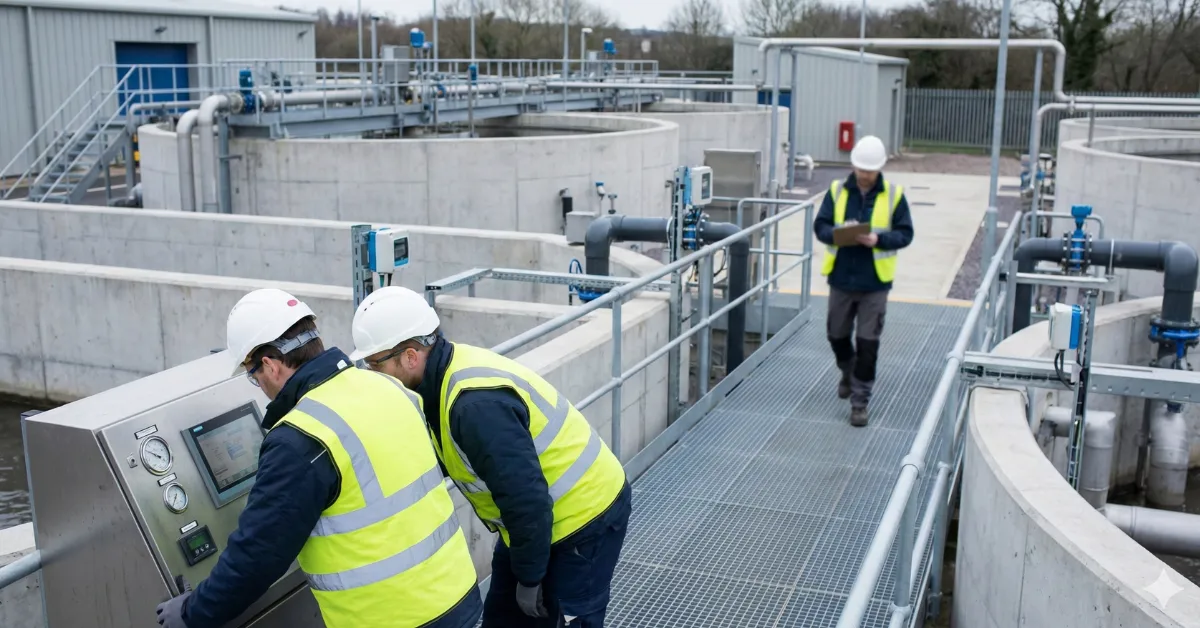
CETPs are collective pollution abatement facilities that treat industrial effluents generated by clusters of industries, particularly small and medium enterprises that may face technical or financial constraints in setting up individual treatment systems. These facilities enable centralised treatment, scientific management, and effective monitoring of industrial effluents, and are not themselves sources of pollution.
The Central Pollution Control Board has classified CETPs as Essential Environmental Services under the Blue Category of Industries, recognising their role in environmental protection and pollution abatement.
According to the ministry, the number and capacity of CETPs in the country are currently below the level required to manage effluents generated by expanding industrial clusters. Delays in establishing CETPs have resulted in untreated or inadequately treated effluents entering the environment. Following examination by the ministry’s expert committees, it was noted that CETPs are already subject to comprehensive regulation under existing pollution control laws, including Consent to Establish, Consent to Operate, periodic inspections, continuous online monitoring, and statutory reporting requirements.
In view of this, the ministry has exempted CETPs from the requirement of prior Environmental Clearance, subject to the implementation of environmental safeguards and adherence to the Uniform Consent Guidelines and the Environmental (Protection) Rules governing CETP standards, management, and operations, which came into force on 1 September 2025. The revised provisions will apply prospectively.
Under the updated framework, CETPs will continue to be regulated by State Pollution Control Boards and Pollution Control Committees under the Water (Prevention and Control of Pollution) Act, 1974 and the Air (Prevention and Control of Pollution) Act, 1981. Additional safeguards include mandatory conveyance of effluents through closed pipeline systems, prohibition on the use of treated effluents for agricultural purposes, and continuous online monitoring with real-time data connectivity to Central and State Pollution Control Board servers.
The decision follows a consultative process in which the draft notification was placed in the public domain for 60 days, and stakeholder inputs were examined before finalisation.
The ministry stated that faster establishment of CETPs is expected to enhance treatment capacity, improve compliance among industrial clusters, and strengthen environmental outcomes through professional operation, centralised treatment, and continuous regulatory oversight.