India’s armed forces are preparing for a sweeping transformation in how they organise, equip and fight wars, with a long-term strategy calling for specialised commands in space and cyberspace, new drone and cognitive warfare units and a shift toward data-driven, multi-domain combat.
The plan, outlined in the government’s Defence Forces Vision 2047 document, sets out how the military intends to evolve over the next two decades as technology reshapes the character of warfare and geopolitical competition intensifies.
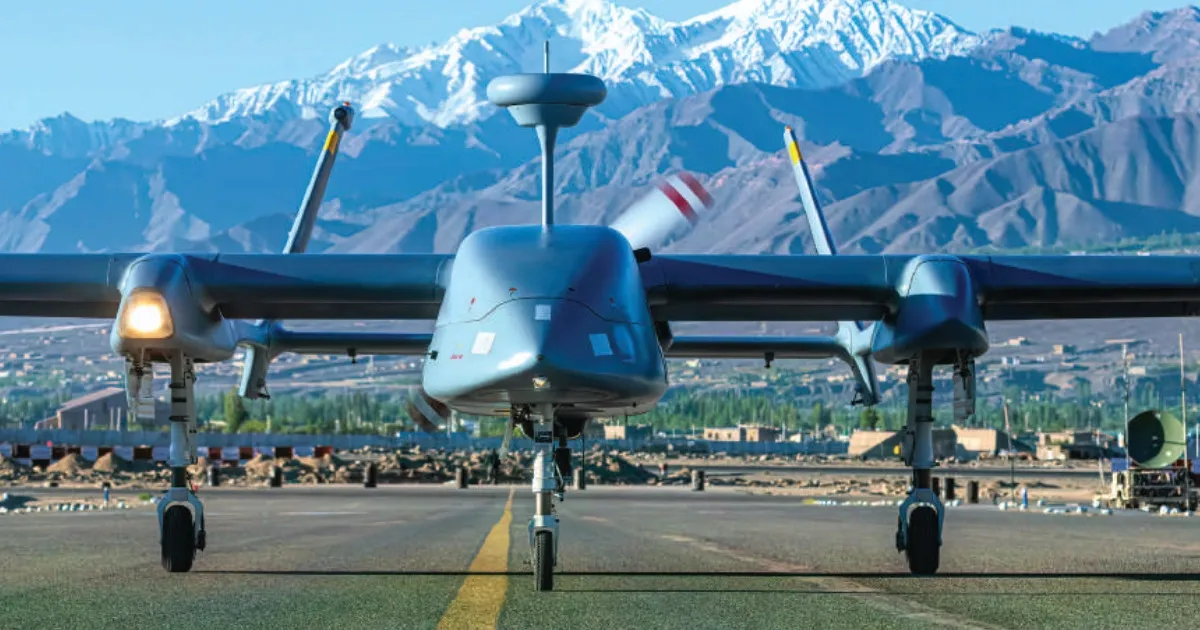
The strategy proposes the creation of several new operational capabilities, including a Drone Force, a Data Force and a Cognitive Warfare Action Force, alongside dedicated Space and Cyber Commands, reflecting the military’s assessment that future conflicts will increasingly extend beyond traditional battlefields.
The document argues that emerging technologies-from artificial intelligence and robotics to quantum computing and advanced sensors-are rapidly expanding the battlespace and altering how wars are fought.
“The rapid march of technology is affecting all aspects of human effort and life. However, its impact on war, warfare and war fighting has been most profound,” the strategy notes.
According to the plan, modern warfare is moving toward intelligence-centric operations, where decision-making is shaped by real-time data, predictive analytics and integrated networks across land, sea, air, cyber and space domains.
The strategy describes a global security environment increasingly marked by grey-zone conflicts, proxy wars and cyber operations that blur the line between peace and war.
“The contemporary global security environment is progressively eroding the traditional distinction between war and peace,” the document states, adding that states can now be effectively at war without engaging in overt physical combat.
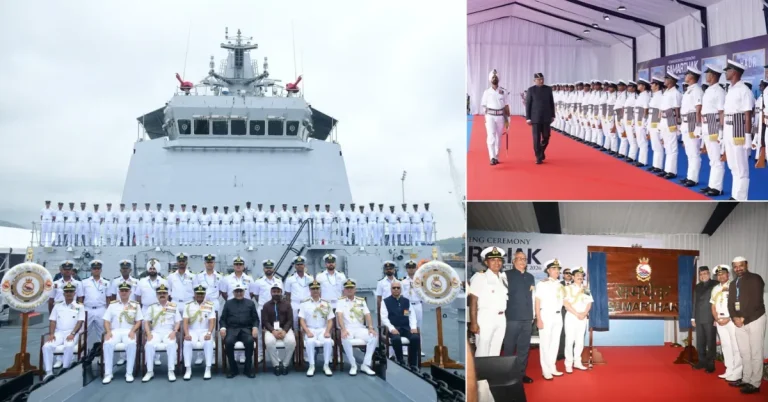
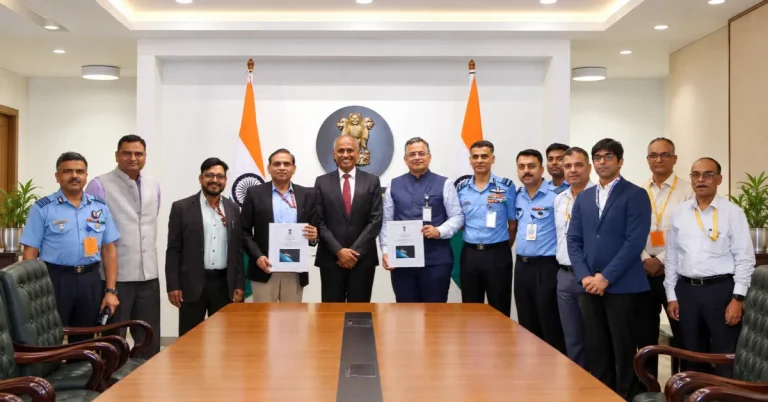
To address these changes, the vision emphasises tri-service integration, with the Army, Navy and Air Force expected to operate as a single coordinated force across multiple domains.
Among the organisational reforms proposed are integrated logistics networks, joint operational headquarters and unified command structures designed to improve interoperability during complex operations.
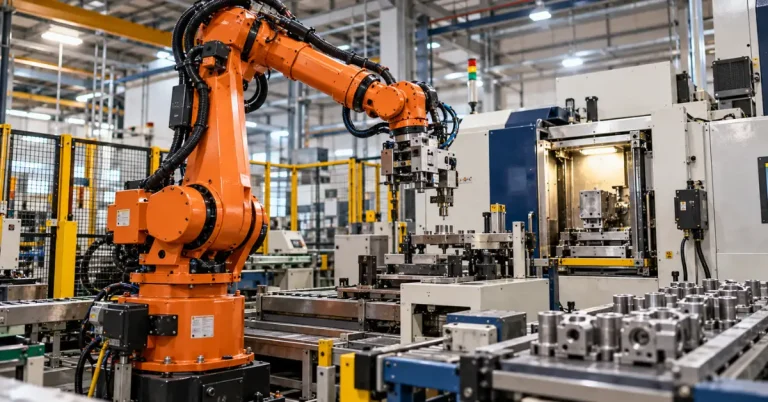
The plan also places significant emphasis on self-reliance in defence technology and manufacturing, aligning military modernisation with India’s broader push to expand domestic defence production.
The roadmap divides the transformation into three phases.
The first phase, running until 2030, focuses on organisational restructuring and capability development.
A second phase between 2030 and 2040 aims to consolidate new operational doctrines and technologies.
The final phase, between 2040 and 2047, envisions the Indian military emerging as a fully integrated and technologically advanced force capable of operating across all domains of warfare.
The document argues that achieving this transformation will require sustained investment, indigenous technological innovation and doctrinal changes suited to India’s own strategic environment.
“Indian solutions, covering the entire canvas from threat mitigation to balanced technological infusion, force structuring, doctrines, TTPs and secure supply chains would have to be implemented to secure national interests,” the vision document concludes.