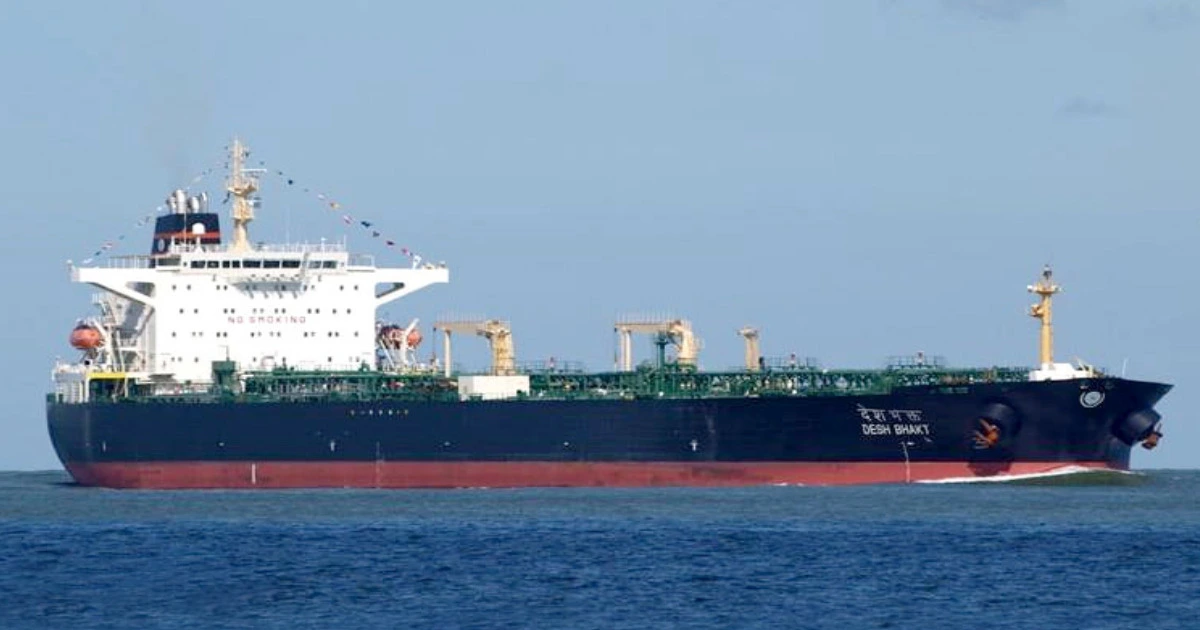
The Ministry of Ports, Shipping and Waterways (MoPSW) on Tuesday, 3 March, said that it is closely monitoring the evolving maritime security situation in the Persian Gulf and has strengthened precautionary measures to safeguard Indian-flagged vessels and Indian seafarers operating in the region.
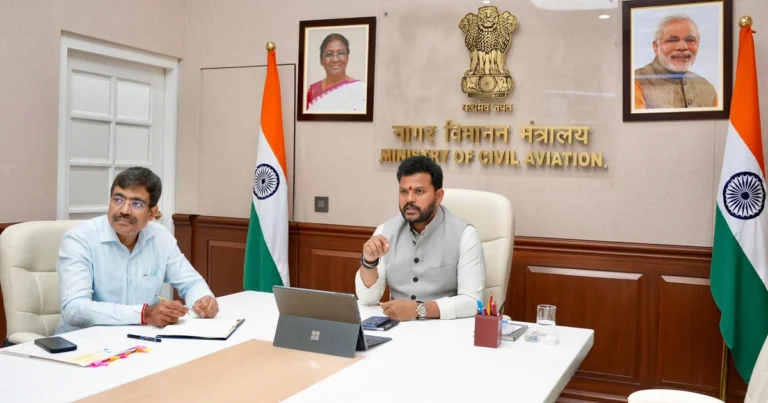
Union Minister for Ports, Shipping and Waterways Sarbananda Sonowal chaired a high-level review meeting to assess the prevailing security environment in the Persian Gulf and examine its implications for Indian maritime assets and personnel.
During the meeting, the Director General of Shipping briefed the minister on the current regional situation and the status of Indian-flagged ships and Indian seafarers in the affected areas, the ministry said in a statement.
The Ministry, through the Directorate General of Shipping (DGS), has activated enhanced monitoring and security oversight in response to reported threats in the Persian Gulf, Strait of Hormuz, Gulf of Oman and adjoining sea areas.
These include concerns related to missile and drone activity, electronic interference and other maritime security risks.
Real-time tracking of Indian-flagged vessels has also been initiated with increased reporting frequency.
A 24×7 monitoring mechanism has been established through the MMDAC DGComm Centre, and mandatory reporting protocols have been prescribed for vessels, owners and managers.
According to the ministry, close coordination is being maintained with the Indian Navy, the Ministry of External Affairs, the Information Fusion Centre-Indian Ocean Region (IFC-IOR), the Maritime Rescue Coordination Centre (MRCC) and Indian missions abroad.
Shipping companies and Recruitment and Placement Service Licensees have been advised to exercise caution in crew deployment and maintain regular communication with seafarers and their families.
A dedicated Quick Response Team has been set up to enable timely coordination among authorities, ensure immediate response to emerging situations and facilitate prompt assistance to Indian seafarers and their families.
Helpline numbers have also been activated and shared with families through RPSLs.
Stakeholders have been advised to maintain heightened vigilance and undertake voyage-specific risk assessments.
Vessels operating in the region have been directed to maintain an enhanced security posture and bridge watch, ensure continuous communication readiness and report suspicious activity immediately.
Reaffirming the government’s commitment, Sarbananda Sonowal said, “We are closely monitoring the evolving situation and have activated all necessary precautionary, monitoring and coordination mechanisms to ensure the safety and welfare of our seafarers and the security of our maritime assets. We remain in constant touch with relevant national and international agencies and are prepared to respond swiftly to any emerging development.”
He further stated, “India stands firmly with its seafarers and maritime stakeholders. The ministry remains prepared to extend all necessary operational, diplomatic and humanitarian support to safeguard Indian vessels and personnel and will continue active coordination with domestic and international stakeholders to protect India’s maritime interests.”