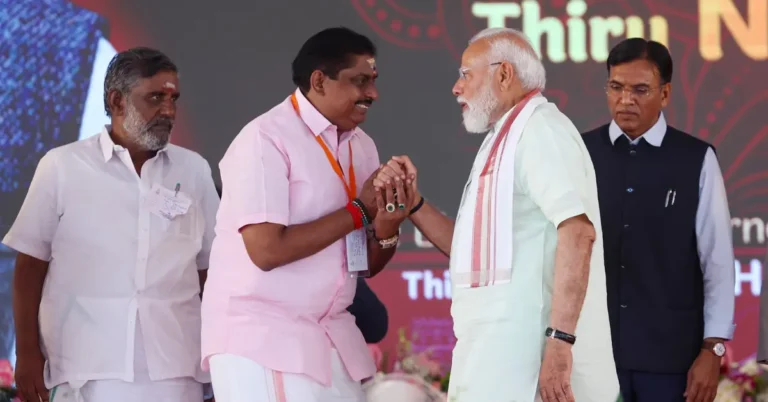
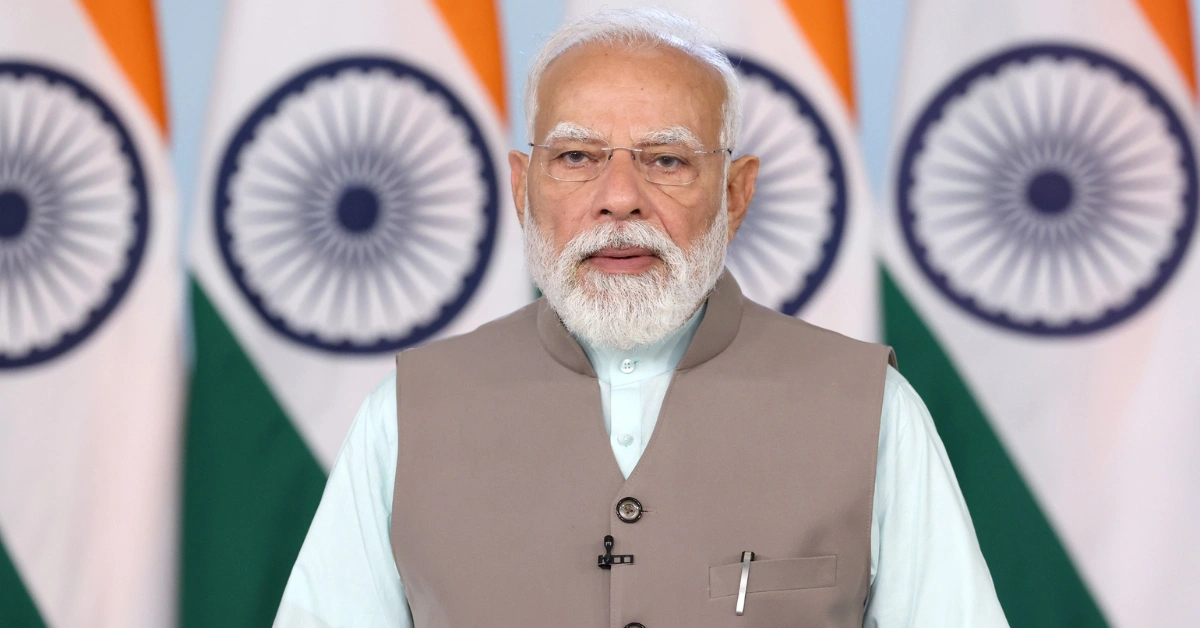
Prime Minister Narendra Modi will inaugurate and lay the foundation stone for multiple development projects worth around ₹33,500 crore in Delhi on Sunday, 8 March, the Prime Minister’s Office (PMO) said in a statement on Friday, 6 March.
The PMO said the projects include Delhi Metro works worth about ₹18,300 crore and projects worth ₹15,200 crore under the General Pool Residential Accommodation redevelopment plan.
According to the statement, Modi will inaugurate two new Delhi Metro corridors – the Majlis Park-Maujpur Babarpur corridor on the Pink Line, spanning around 12.3 Km, and the Deepali Chowk-Majlis Park corridor on the Magenta Line, spanning around 9.9 Km.
The PMO said these corridors are expected to improve connectivity for several areas of Delhi, including Burari, Jagatpur-Wazirabad, Khajuri Khas, Bhajanpura, Yamuna Vihar, Madhuban Chowk, Haiderpur Badli Mor, Bhalaswa and Majlis Park.
Modi will also lay the foundation stone for three new corridors under Delhi Metro’s Phase V-A expansion, covering around 16.10 Km.
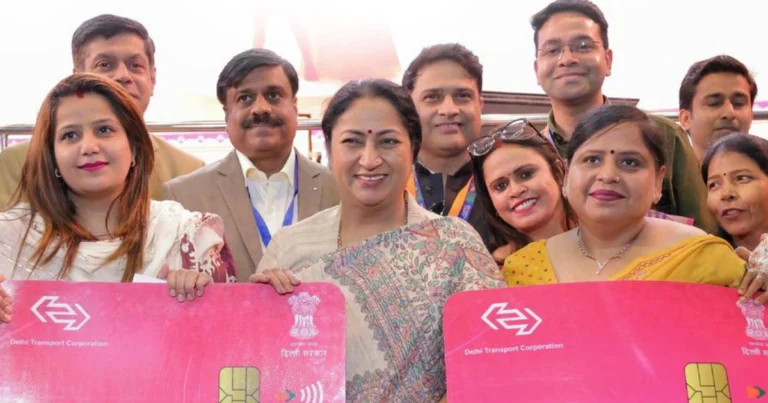
Read also : Delhi launches Saheli Pink Smart Card for women, free bus travel and single card access for Metro and RRTS
These are the R.K. Ashram Marg-Indraprastha, Aerocity-Indira Gandhi Airport Terminal-1 and Tughlakabad-Kalindi Kunj corridors.
The release said the new Phase V-A corridors will provide direct connectivity to several important locations in the national capital and improve travel links between Noida, South Delhi and the airport.
Ahead of the main programme, the Prime Minister will visit GPRA Type-5 quarters in Sarojini Nagar and hand over keys to female allottees.
The PMO said the GPRA redevelopment projects are spread across Sarojini Nagar, Netaji Nagar, Kasturba Nagar and Sriniwaspuri, and form part of a larger plan to modernise government housing colonies and administrative infrastructure.
According to the statement, the redevelopment plan will provide more than 9,350 modern flats for government employees and create around 48 lakh square feet of office space.
The PMO said these projects have been redeveloped through a self-sustainable financial model under which a limited portion of the project area is being developed and monetised for commercial and residential use, with the revenue used to fund modern housing, supporting infrastructure and public facilities without burdening the public exchequer.
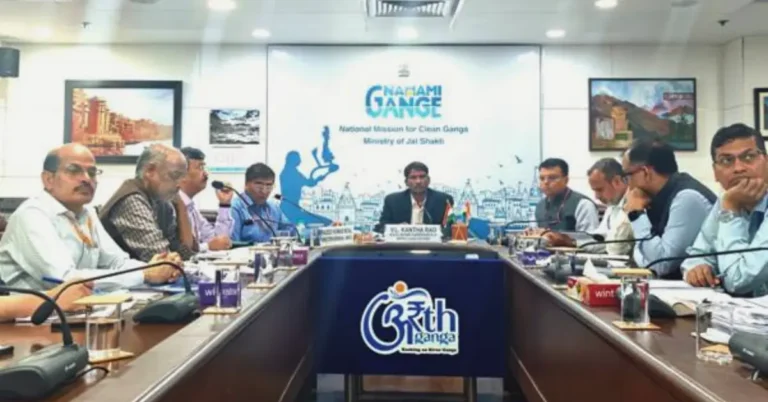
Read also : Centre urges States to adopt time-bound, outcome-oriented approach for river rejuvenation