Kolkata, October 29, 2026: Vedanta Group is considering an investment of ₹70,000 crore to ₹80,000 crore in West Bengal to develop power generation facilities and an aluminium manufacturing plant, with Asansol emerging as a potential location. The proposed projects could create approximately 10,000 direct jobs, although the investment remains subject to feasibility studies, infrastructure availability and government approvals.
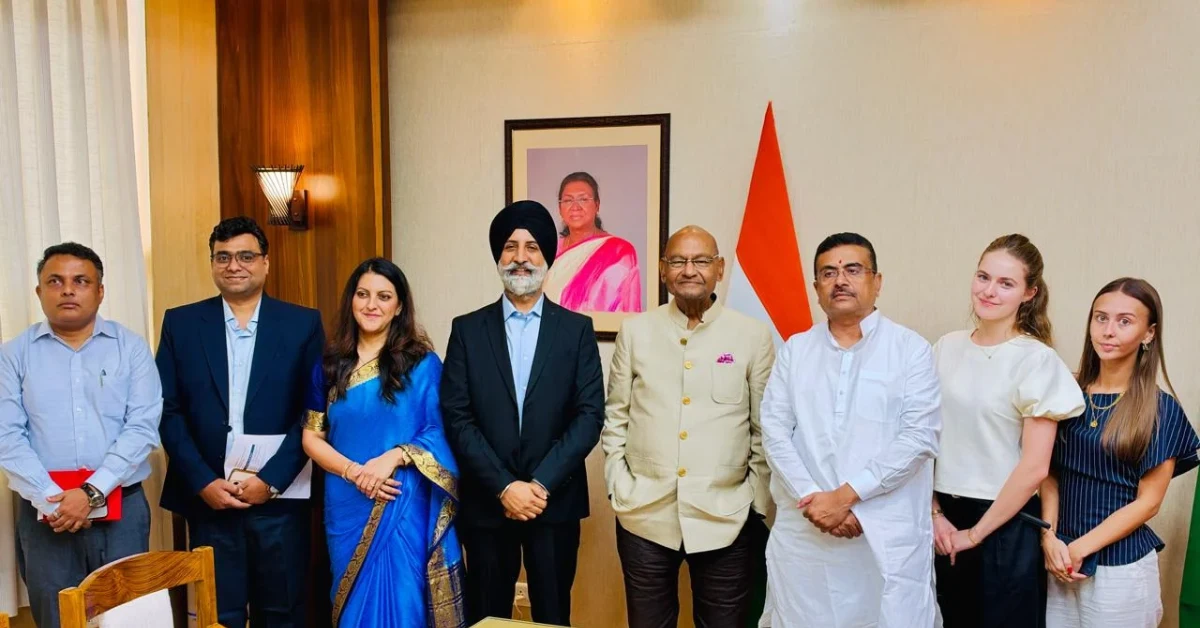
Vedanta Group Chairman Anil Agarwal discussed the investment proposal with West Bengal Chief Minister Suvendu Adhikari at the state secretariat, Nabanna, on October 28.
The discussions focused on establishing large industrial facilities in the state’s power and aluminium sectors, with the state government expressing its willingness to facilitate the proposed investment.
Agarwal indicated that Vedanta was exploring an investment of between ₹70,000 crore and ₹80,000 crore but would assess the projects’ technical and commercial feasibility before making a final commitment.
The proposed investment includes power generation facilities and an aluminium smelter, an industrial plant that produces aluminium metal from alumina through an energy-intensive manufacturing process.
Asansol, in West Bengal’s Paschim Bardhaman district, is being considered because of its existing industrial infrastructure, access to coal resources and the group’s landholdings in the region.
According to Agarwal, Vedanta has roughly 300 acres of land in the Asansol area, although the site’s suitability and any additional land requirements remain to be assessed.
The company is also examining the possibility of transporting alumina from its operations in Odisha to support aluminium production at the proposed facility.
Existing railway connections between Odisha and West Bengal could help transport raw materials, although specific supply arrangements and logistics requirements have not been finalised.
Access to coal, water, land and other supporting infrastructure will be important factors in determining whether the projects proceed.
Agarwal indicated that the facilities could become operational within three years if feasibility assessments are favourable and the state government facilitates access to the necessary infrastructure, resources and approvals.
However, the three-year period is a conditional estimate rather than a confirmed construction or commissioning schedule.
Following the meeting, Chief Minister Adhikari said the proposed investment could create approximately 10,000 direct employment opportunities.
The employment figure is a government projection, not a confirmed recruitment target, as Vedanta has yet to announce a final investment decision.
Beyond direct employment, the proposed aluminium facility could create opportunities for smaller manufacturers supplying components, materials and industrial services.
Agarwal suggested that local entrepreneurs could establish downstream aluminium manufacturing units with investments ranging from ₹5 crore to ₹50 crore, depending on their business activities.
Downstream manufacturing involves converting aluminium into finished or semi-finished products used in industries such as automotive manufacturing, construction and electrical equipment.
Such businesses could benefit from the presence of a major aluminium production facility if Vedanta proceeds with the proposed investment.
Speaking at an Indian Chamber of Commerce event in Kolkata, Agarwal also highlighted West Bengal’s industrial history, skilled workforce and potential to attract large manufacturing investments.
He emphasised the importance of expanding domestic mineral production and industrial manufacturing capabilities to strengthen India’s competitiveness and reduce dependence on imported materials.
However, the company has not disclosed the proposed power plants’ generation capacities, the aluminium smelter’s planned production capacity or how the investment would be allocated between the projects.
Vedanta has also not announced a binding investment agreement, a final construction schedule or confirmed commissioning dates for the proposed facilities.
The potential ₹70,000 crore to ₹80,000 crore investment therefore remains at the evaluation stage, with feasibility studies and discussions with the state government expected to determine the next steps.
If implemented, the projects could expand West Bengal’s power generation and aluminium manufacturing capacity, attract related industries and create employment opportunities in the Asansol region. Their scale and timing will depend on Vedanta’s final investment decision and the successful execution of the proposed facilities.
Read also: Tata Projects wins contract to build two Gujarat chemical plants that could cut GSFC’s dependence on imported fertiliser raw materials
Read also: Subros begins vehicle AC production at ₹150 crore Haryana plant, adding annual capacity of 4.5 lakh units