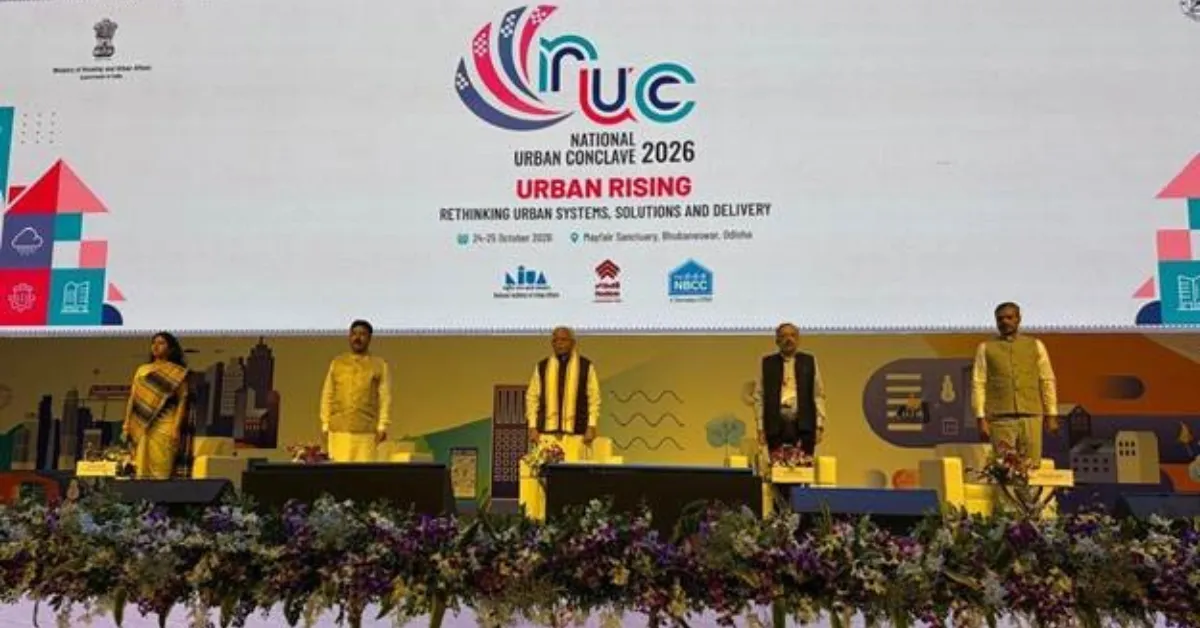
New Delhi, October 26, 2026: Mayors in Indian cities could receive five-year terms and greater executive powers, while building approvals could become simpler and pedestrian infrastructure could receive dedicated funding under reforms recommended at the National Urban Conclave 2026. The proposals aim to strengthen municipal governance, improve public services and give local authorities greater control over urban development.
The two-day conclave concluded in Bhubaneswar on October 25, bringing together representatives from central and state governments, municipal bodies, industry and research institutions. Seven technical sessions examined challenges involving city administration, housing, infrastructure, financial management and public service delivery.
A key recommendation calls for five-year mayoral terms with clearly defined executive powers, greater financial autonomy for municipal governments and stronger ward and zonal committees.
The conclave also recommended revising the Model Municipal Law, 2003, through state-level consultations to improve local accountability and coordination among agencies responsible for urban services.
NITI Aayog member Rajiv Gauba stressed that smaller cities needed greater administrative and financial autonomy rather than relying heavily on decisions made in state capitals. He also called for stronger municipal revenue collection and proposed linking funding under national urban missions to the implementation of structural reforms.
Another major proposal seeks to incorporate pedestrian access into statutory city plans, protect walking routes and establish dedicated funding mechanisms for footpath construction and maintenance.
The recommendations address problems such as fragmented pavements, poor accessibility, inadequate maintenance and unclear responsibilities among agencies managing urban roads.
For property owners and developers, the conclave recommended simplifying building approvals through integrated digital systems, risk-based scrutiny and self-certification.
It also proposed reviewing floor area ratio (FAR), building density and parking requirements while encouraging affordable housing near employment centres and public transport.
Other housing recommendations included reserving land for affordable homes, developing rental housing models and introducing incentives to support long-term affordability.
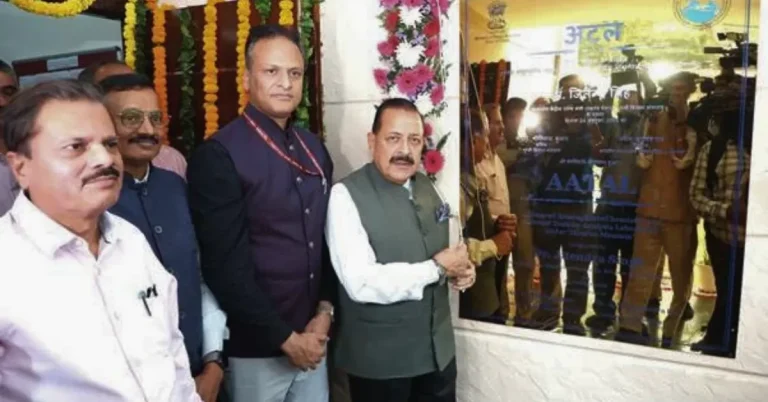
Alongside these recommendations, several digital initiatives were launched at the conclave.
The Used Water Marketplace under AMRUT 2.0 was introduced to connect municipal bodies with industries and other potential buyers of treated wastewater. Urban local bodies will be able to list the quantity and quality of treated water available for sale.
The Urban Challenge Fund portal was also launched to facilitate project submissions, appraisal, tracking and monitoring by states, Union Territories and implementing agencies.
An online Municipal Finance Data Hub was introduced to facilitate knowledge sharing among municipal finance professionals, support revenue reforms and improve access to financial information.
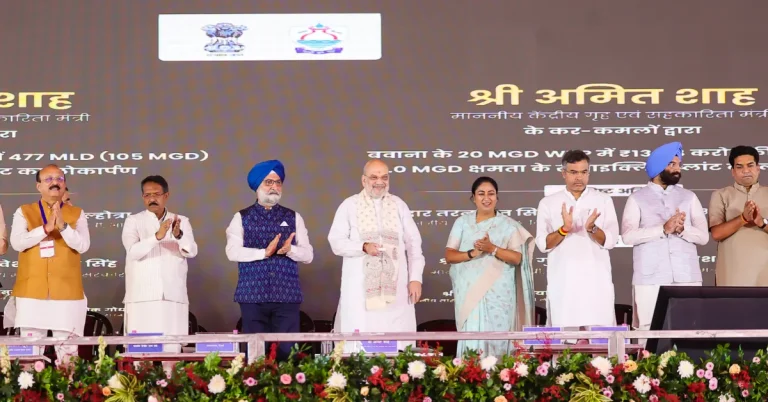
Under PM SVANidhi, development of 18 selected Street Food Hubs was formally initiated, with the first tranche of funding released. The announcement does not confirm that physical construction has begun at every location.
Other initiatives included CPWD Nirman, a digital platform for monitoring government construction projects, and an internship scheme for engineering and architecture students.
A technical cooperation agreement was also signed between the Japan International Cooperation Agency (JICA) and the Central Public Health and Environmental Engineering Organisation (CPHEEO) to promote the reuse of treated wastewater.
Union Housing and Urban Affairs Minister Manohar Lal emphasised the importance of affordable housing near workplaces, improved access to public transport and the scientific remediation of legacy waste. He said more than half of India’s legacy waste had been remediated.
The conclave’s recommendations are intended to guide future urban reforms. However, the proposed changes to mayoral powers, municipal legislation, building approvals and pedestrian infrastructure have not been adopted as nationwide requirements.
Their implementation will depend on further decisions by the relevant governments and authorities. No nationwide implementation deadline has been announced.