
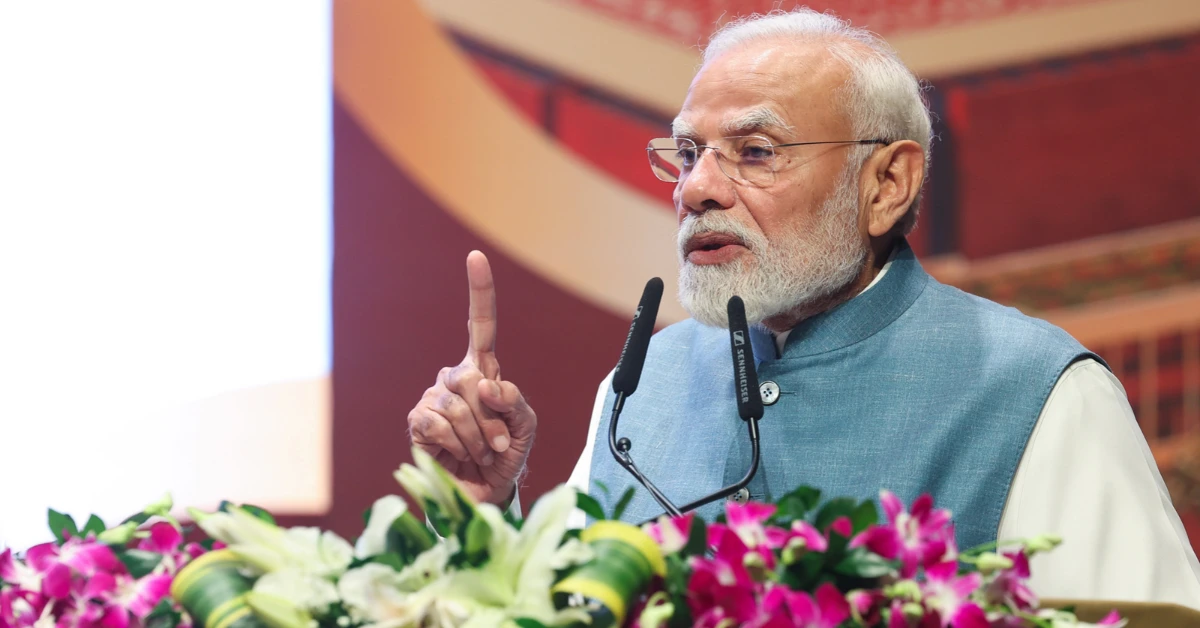
Bhubaneswar, October 26, 2026: Prime Minister Narendra Modi inaugurated the Reserve Bank of India’s (RBI) new data centre and Cybersecurity Training Institute in Odisha on October 25. The ₹169 crore facility, which includes four data centres, is designed to strengthen the security and reliability of India’s banking infrastructure, including critical payment systems such as National Electronic Funds Transfer (NEFT) and Real Time Gross Settlement (RTGS).
Located at Info Valley-II in Jatni, near Bhubaneswar, the facility covers 18.55 acres and is intended to meet the RBI’s growing needs for secure computing, data management and cybersecurity.
According to the government, the facility has received Tier IV certification from the Uptime Institute, a standard associated with highly resilient data centre infrastructure. The certification reflects its design to support critical computing operations with minimal disruption.
The four data centres are intended to house mission-critical payment and settlement systems, including NEFT and RTGS, which enable electronic fund transfers across India’s banking network.
NEFT facilitates electronic transfers between participating bank accounts, while RTGS processes large-value transfers individually in real time. Both are important components of the country’s digital payment infrastructure.
The inauguration, however, does not confirm that these systems have already been fully migrated to the new facility. The RBI has not announced a specific migration schedule or changes to payment services for customers.
Speaking at the inauguration, Modi emphasised that a secure banking system requires reliable digital infrastructure, including advanced data centres and computing capabilities.
He warned that threats to national security increasingly extend beyond conventional warfare, with cyberattacks on economic infrastructure posing risks to banks and financial systems.
The Prime Minister also stressed the importance of protecting financial institutions against cybercriminals and cyberterrorism as India’s reliance on digital banking grows.
Alongside the data centres, the Cybersecurity Training Institute will support specialised training, research and technical capability development in cybersecurity, artificial intelligence, quantum computing and other emerging technologies.
The institute aims to strengthen cybersecurity preparedness within the RBI and the wider financial sector by developing expertise to respond to evolving digital threats.
Finance Minister Nirmala Sitharaman, who attended the inauguration, highlighted the importance of resilient financial infrastructure in maintaining financial stability and supporting economic growth.
She said the new data centre would accommodate essential RBI systems, while the training institute would help develop expertise in cybersecurity and advanced technologies.
RBI Governor Sanjay Malhotra also highlighted the central bank’s efforts to strengthen indigenous technological capabilities and improve cybersecurity preparedness.
The foundation stone for the Jatni facility was laid on March 22, 2023, by then RBI Governor Shaktikanta Das.
The new infrastructure is intended to support critical financial operations and strengthen the RBI’s ability to respond to digital security threats.
However, the announcement does not establish that cyberattacks have already declined, that NEFT and RTGS transactions have become faster or that all critical systems are now operating from the Odisha facility.
The operational impact will depend on how the new infrastructure and training capabilities are used.