India’s private sector activity accelerated at the start of the new financial year, with the HSBC Flash India Composite PMI Output Index rising to 58.3 in April from 57.0 in March, indicating a strong expansion in business activity.
The uptick follows a moderation in March linked to disruptions arising from the Middle East war, with April data signalling a recovery driven by improved demand conditions, capacity expansion and higher inflows of new orders.
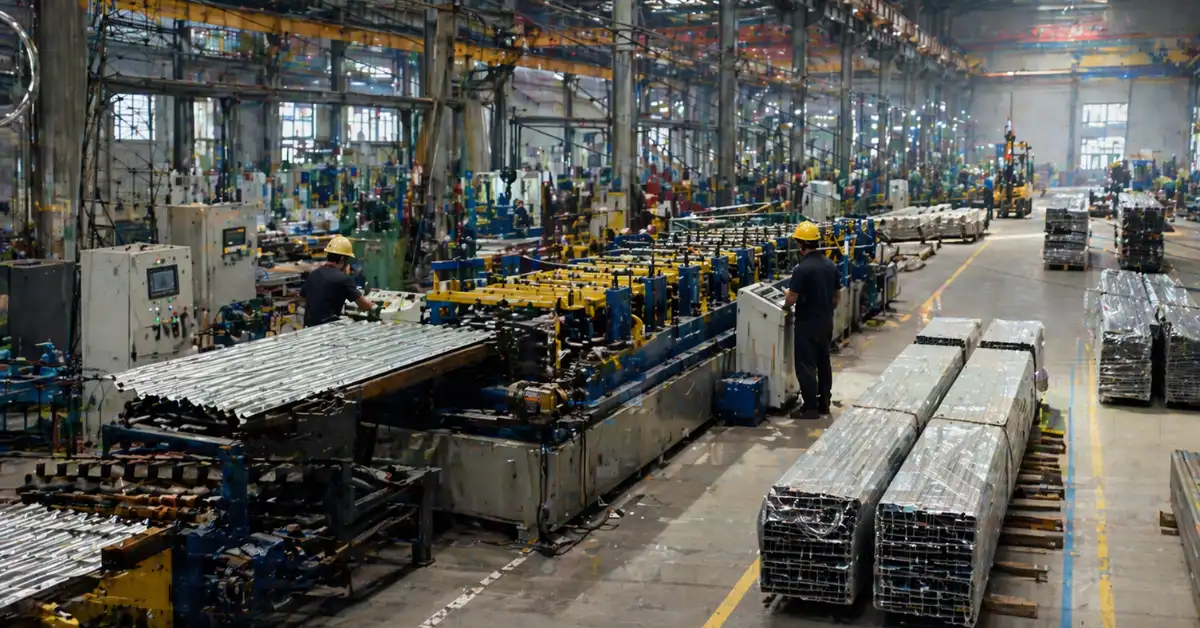
Manufacturing emerged as the primary driver of growth, with output and new orders recording sharper increases compared to the services sector.
The HSBC Flash India Manufacturing PMI Output Index rose to 59.1 in April from 55.7 in March, while the overall Manufacturing PMI increased to 55.9 from 53.9.
The services sector also registered growth, though at a relatively slower pace.
The Services PMI Business Activity Index stood at 57.9 in April, up from 57.5 in March.
New orders across the private sector expanded at a faster pace and remained historically strong, supported by rising client demand and increased business enquiries.
However, export trends were mixed, with goods producers recording faster growth in overseas orders, while services firms saw a slowdown attributed to the Middle East war.
At the composite level, new export business rose at a softer rate compared to March.
Cost pressures remained elevated during the month, driven by higher prices of fuel, gas, oil and key raw materials including metals, chemicals, food and transportation inputs.
Despite easing slightly from March levels, input cost inflation remained among the highest seen in nearly three years.
Companies responded by raising selling prices, although the increase in output charges remained lower than the rise in input costs.
Employment growth strengthened across both manufacturing and services sectors, with the pace of hiring reaching a ten-month high.
Firms attributed this to expansion plans, rising workloads and optimistic business outlooks.
Business confidence regarding output over the next 12 months remained strong, supported by marketing efforts, project pipelines and improving demand conditions, although sentiment eased slightly from March levels.
Manufacturing firms also increased buffer stocks amid supply-side uncertainties, with inventories of finished goods rising at the fastest pace since May 2015.
“Private sector activity accelerated after easing in March amid disruptions linked to the Middle East conflict. Manufacturing led the upturn, with faster growth in output and new orders. The survey indicated that firms are building buffer stocks to manage the uncertainties around the longevity of the supply-side shock. Finished goods and input inventories increased alongside a pick-up in purchasing volumes. Input cost pressures remained elevated, and firms passed through part of the increase via higher selling prices,” said Pranjul Bhandari, Chief India Economist at HSBC.