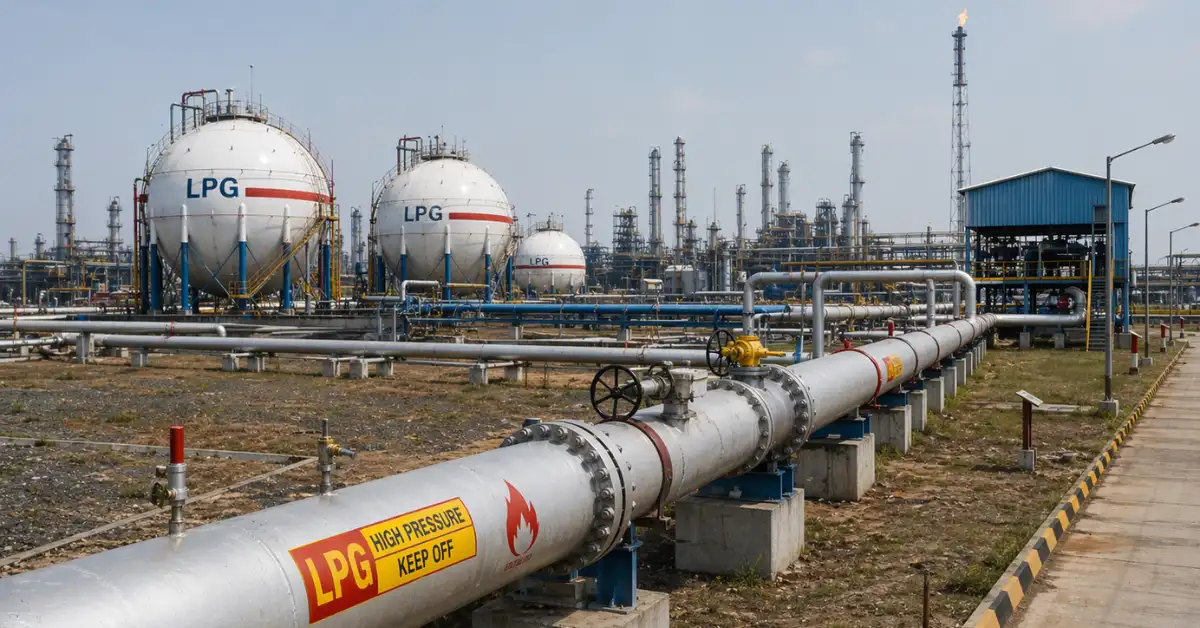
India is set to significantly expand its LPG pipeline infrastructure with an investment of around ₹12,500 crore and a proposed network of nearly 2500 Km, as part of a broader push to strengthen energy logistics and reduce reliance on road-based transportation.
“The proposed pipelines are designed to connect key supply sources, including refineries and import terminals, with LPG bottling plants, thereby ensuring seamless evacuation and distribution of LPG across multiple regions,” the Petroleum and Natural Gas Regulatory Board (PGNRB) said in a statement last week.
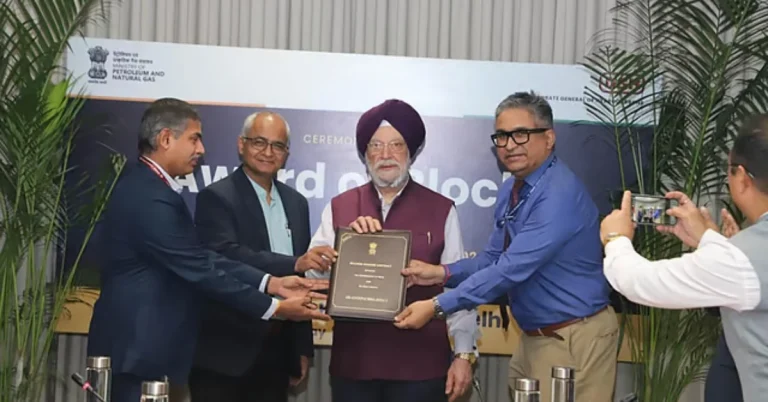
“As part of this initiative, 9 LPG pipeline projects were identified for development. PNGRB initiated Sou-Moto proposal & carried out bidding of these pipelines,” the regulator said.
Out of these, four pipeline projects with a cumulative length of about 2500 Km are currently in the advanced stages of bidding.
These include the Cherlapally-Nagpur, Shikrapur-Hubli-Goa, Paradip-Raipur and Jhansi-Sitarganj corridors.
The planned network is expected to transform the way LPG is transported across the country by shifting bulk movement away from road tankers towards pipelines, which are considered safer, more efficient and cost-effective.
Read also : India’s installed power capacity reaches 532.74 GW; non-fossil sources account for 53.21%
At present, a significant portion of LPG is transported via road, exposing the supply chain to risks such as accidents, delays and higher logistics costs.
The proposed pipeline-based system is expected to address these challenges by enabling seamless, high-volume movement with reduced transit time and minimal losses.
Beyond logistics efficiency, the pipeline network is also expected to enhance energy security by acting as a buffer during supply disruptions, while ensuring steady and reliable delivery across regions.
From an environmental standpoint, the shift to pipelines is likely to reduce greenhouse gas emissions by replacing fuel-intensive road transport with a more efficient system.
The initiative is also expected to drive economic activity through infrastructure investment, employment generation and regional development.