India has disbursed over ₹40.07 lakh crore under the Pradhan Mantri Mudra Yojana (PMMY) over the past 11 years, according to a release by the Ministry of Finance marking the scheme’s anniversary on Wednesday, 8 April.
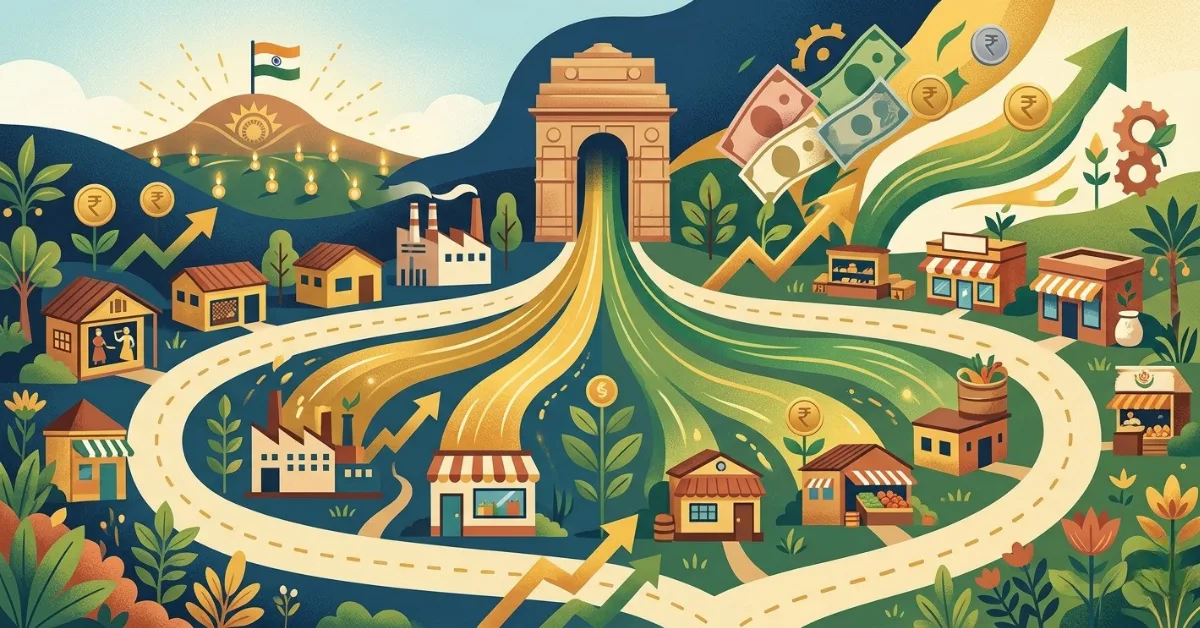
Launched on April 8, 2015, the scheme has emerged as a key pillar of India’s financial inclusion framework, with more than 57.79 crore loans sanctioned to support micro and small entrepreneurs engaged in non-corporate, non-farm income-generating activities.
The loans, which are collateral-free and available up to ₹20 lakh, are extended through banks, non-banking financial companies (NBFCs) and microfinance institutions (MFIs).
The cumulative disbursement of ₹40.07 lakh crore reflects the scale at which the scheme has expanded credit access at the grassroots level, particularly for segments that were previously outside the formal banking system.
Union Finance Minister Nirmala Sitharaman said the scheme has been “instrumental in reshaping the credit landscape for MSMEs and countless individual entrepreneurs,” highlighting its role in enabling entrepreneurship among those who were earlier excluded from institutional finance.
Providing further details, the ministry said that nearly two-thirds of the total loans have been sanctioned to women entrepreneurs, while approximately one-fifth have gone to first-time borrowers.
In absolute terms, this includes around 12.15 crore loans amounting to ₹12 lakh crore extended to new entrepreneurs.
The scheme operates across four categories-Shishu (up to ₹50,000), Kishor (₹50,000 to ₹5 lakh), Tarun (₹5 lakh to ₹10 lakh), and Tarun Plus (₹10 lakh to ₹20 lakh)-reflecting different stages of business growth and funding requirements.
According to the Ministry, PMMY has played a central role in advancing the broader financial inclusion agenda built around the principles of “banking the unbanked,” “securing the unsecured,” and “funding the unfunded.”
Minister of State for Finance Pankaj Chaudhary said the scheme has helped promote micro-entrepreneurship and generate self-employment opportunities, particularly among marginalised sections including Scheduled Castes, Scheduled Tribes and Other Backward Classes.